

Performance anxiety affects 75% of musicians at some stage of their musical journey. Piano performance anxiety manifests through physical tension, cognitive worry, and emotional distress that disrupt musical execution during live recitals. PrivatePianoLessons, an in-home private piano lesson service in New York City, integrates evidence-based anxiety management techniques alongside technical piano instruction.
Stage fright involves somatic responses, such as muscle stiffness, elevated heart rate, and hand tremors, combined with cognitive patterns like negative self-talk and fear of evaluation. Research indicates that cognitive worry predicts performance outcomes more significantly than physical symptoms alone.
This guide outlines actionable protocols to neutralize stage fright, structure practice routines, and maintain composure under performance pressure across all five NYC boroughs.
Effective Strategies to Overcome Piano Performance Anxiety
Overcoming piano performance anxiety requires a multi-faceted approach combining cognitive reframing, physical tension release, and controlled breathing routines.
Mental Strategies for Managing Nerves Before Playing
Managing nerves before playing begins with cognitive reframing, which redirects attention from fear of mistakes toward expressive communication.
- Audience perspective thinking: Remember that listeners attend recitals to enjoy music, not to audit technical flaws.
- Purpose-driven performance: Concentrate on communicating the emotional narrative of the piece rather than pursuing mechanical perfection.
- Mistake normalization: Acknowledge that accomplished pianists and NYC jazz legends encounter performance errors during live shows.
- Mental rehearsal: Visualize the performance venue, piano touch, and successful transitions away from the instrument.
Performance psychology studies suggest that musicians who focus on expressive goals demonstrate higher performance stability than those focused on error avoidance.
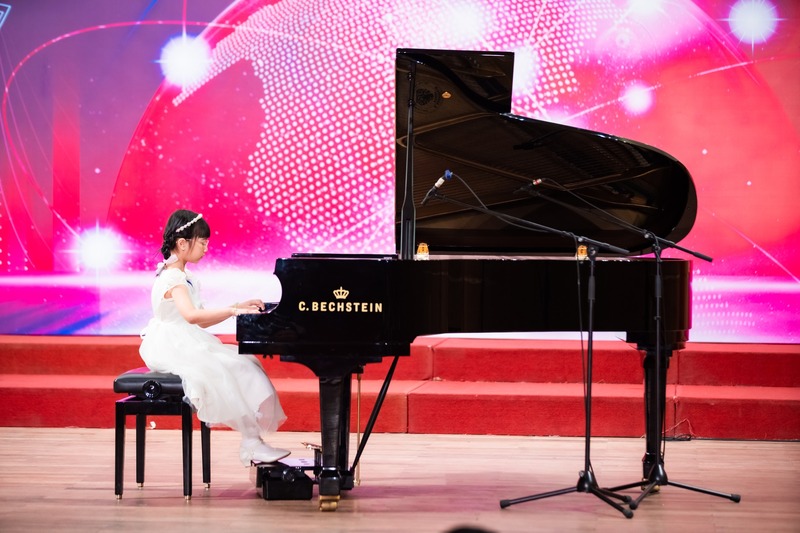
Physical Relaxation Techniques to Relieve Hand Tension
Relieving hand tension prevents muscular stiffness in the fingers, forearms, and shoulders from restricting technical agility.
- Progressive muscle release: Contract hand muscles firmly for 5 seconds, then release completely to register the contrast between tension and relaxation.
- Wrist rotations and finger stretches: Execute gentle circular motions with both wrists, followed by passive finger extensions.
- Scapular retractions: Squeeze shoulder blades together for 3 seconds, then release to maintain an upright, neutral piano sitting position.
- Arm oscillations: Shake arms and hands loosely at your sides to discharge excess motor tension.
PrivatePianoLessons faculty teach these exercises during weekly in-home lessons to build automatic physical relaxation habits.
Breathing Exercises to Regulate Heart Rate
Regulating heart rate through deliberate breath control activates the parasympathetic nervous system to decrease acute physiological arousal.
- Box breathing: Inhale for 4 seconds, hold for 4 seconds, exhale for 4 seconds, and hold empty for 4 seconds.
- Diaphragmatic breathing: Place one hand on the abdomen and breathe deeply so only the lower hand expands.
- Phrase-aligned breathing: Inhale calmly at natural cadence breaks between musical phrases during practice.
- Pre-performance breath cycles: Complete a dedicated 2-minute breathing cycle before sitting at the instrument.
Controlled breathing protocols help stabilize resting pulse rates and improve motor precision under stage conditions.
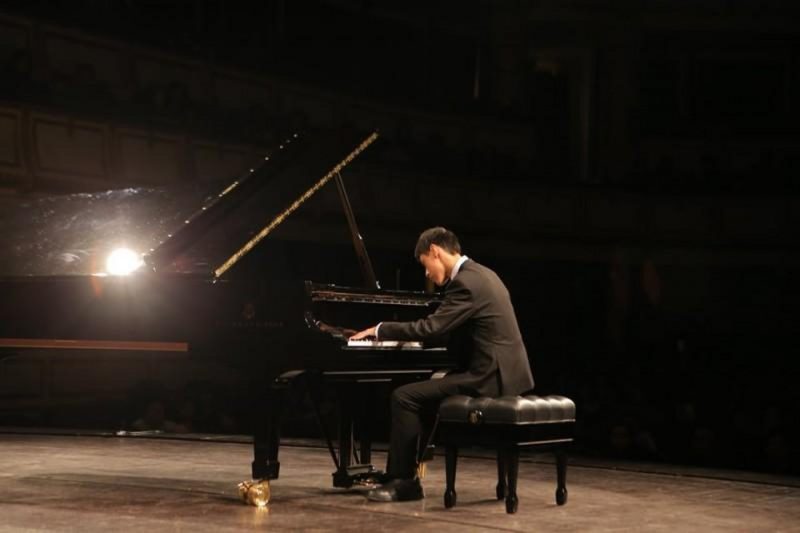
Developing a Bulletproof Practice Routine
Developing a bulletproof practice routine creates deep neural pathways, coordinates finger independence, and builds resilience against memory lapses.
Playing Hands Separate to Solidify Muscle Memory
Solidifying muscle memory relies on hands-separate practice to isolate complex polyphonic voices and rhythmic patterns before combining them.
- Left-hand harmonic grounding: Rehearse bass patterns until automatic, whether navigating classical sonatinas or 12 bar blues piano progressions.
- Right-hand melodic clarity: Drill melodic fingering, dynamic shaping, and phrase peaks independently.
- Individual memory checks: Test each hand from memory without relying on tactile feedback from the opposite hand.
- Troubleshooting isolated transitions: Identify specific coordination friction points that appear exclusively during hands-together execution.
Dedicating 30% to 40% of practice time to hands-separate work prevents technical breakdowns during high-pressure performance moments.
Super Slow Motion Practice for Total Control
Super slow motion practice establishes precise motor control by allowing the brain to monitor every finger strike, arm weight transfer, and pedal change.
- Tempo reduction: Practice difficult passages at 50% of target performance tempo while maintaining full dynamics.
- Micro-level observation: Examine finger curvature, wrist elevation, and forearm alignment at deliberate speeds.
- Incremental speed increases: Advance metronome markings only when a passage sounds clean and effortless across 5 consecutive repetitions.
- Mental score tracking: Rehearse note names and fingering sequences mentally during slow physical execution.
Systematic slow practice significantly reduces technical errors by reinforcing deliberate cognitive pathways rather than rushed muscle reflexes.
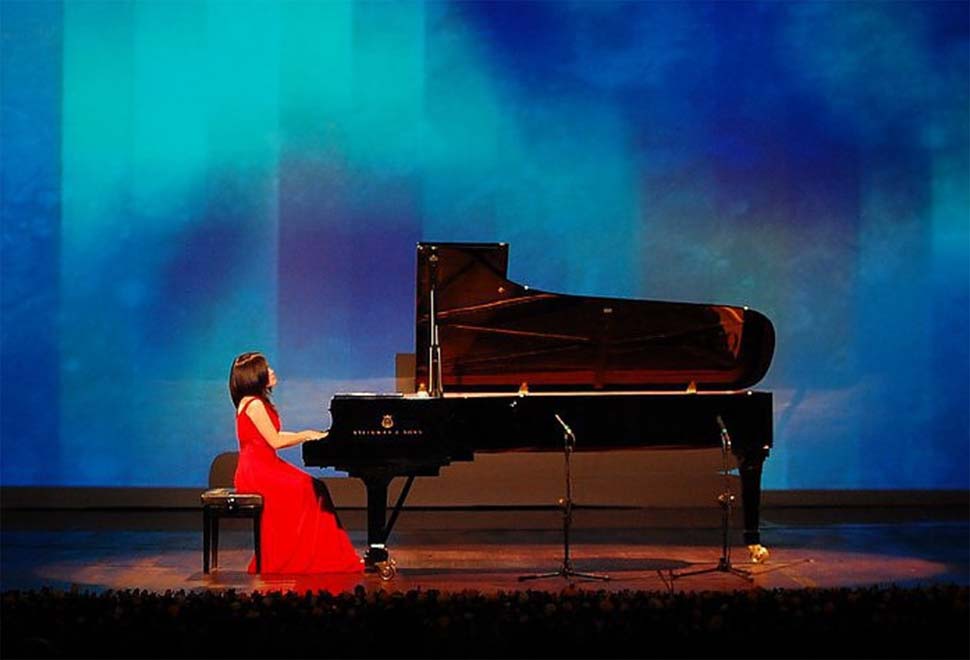
Analyzing the Piece and Memorizing Chord Structures
Analyzing musical architecture builds intellectual memory that supports auditory and tactile recall when stage adrenaline surges.
- Harmonic analysis: Identify Roman numeral chord progressions, cadential arrival points, and key modulations throughout the score.
- Structural mapping: Mark formal sections, developmental episodes, melodic repeats, and phrase climaxes.
- Motivic recognition: Trace recurring melodic fragments, interval patterns, and rhythmic figures across different voices.
- Away-from-piano score study: Read the sheet music silently away from the instrument to test mental recall of voice leading.
PrivatePianoLessons instructors integrate theoretical analysis into every lesson to ensure students understand the structural framework of their repertoire.
Step-by-Step Plan for the Week of the Performance
A structured 7-day preparation schedule manages mental stamina, consolidates technical readiness, and avoids late preparation panic.
Structuring Your Practice 7 Days Before the Show
Structuring practice during the final week requires prioritizing musical continuity and psychological ease over aggressive technical overhauls.
- Days 7 to 5: Run full pieces at performance tempo, focusing on uninterrupted flow and expressive dynamics across full sections.
- Days 4 to 3: Reduce overall practice duration to 70% of usual volume to prevent physical fatigue and maintain musical spontaneity.
- Days 2 to 1: Conduct light reviews focused on opening bars, tempo transitions, and memory anchors without over-drilling.
- Performance day: Limit practice to a gentle 15-minute warm-up of slow scales and opening phrases to preserve energy.
Tapering practice intensity during the final 48 hours protects physical agility and sharpens focus for the recital.
Simulating the Performance Environment at Home
Simulating concert conditions at home desensitizes the nervous system to formal recital environments and unfamiliar stage variables.
- Attire dress rehearsal: Practice in complete concert wardrobe, including performance shoes, to ensure uninhibited arm and pedal movement.
- Lighting adjustments: Alter room lighting to mimic stage spotlights and dim hall ambiances.
- Informal audience simulation: Perform full run-throughs in front of family members or friends without stopping for minor errors.
- Video documentation: Record practice runs on a smartphone to simulate the psychological sensation of public scrutiny.
PrivatePianoLessons instructors coach students through simulated performances directly on their home pianos during pre-recital lessons.
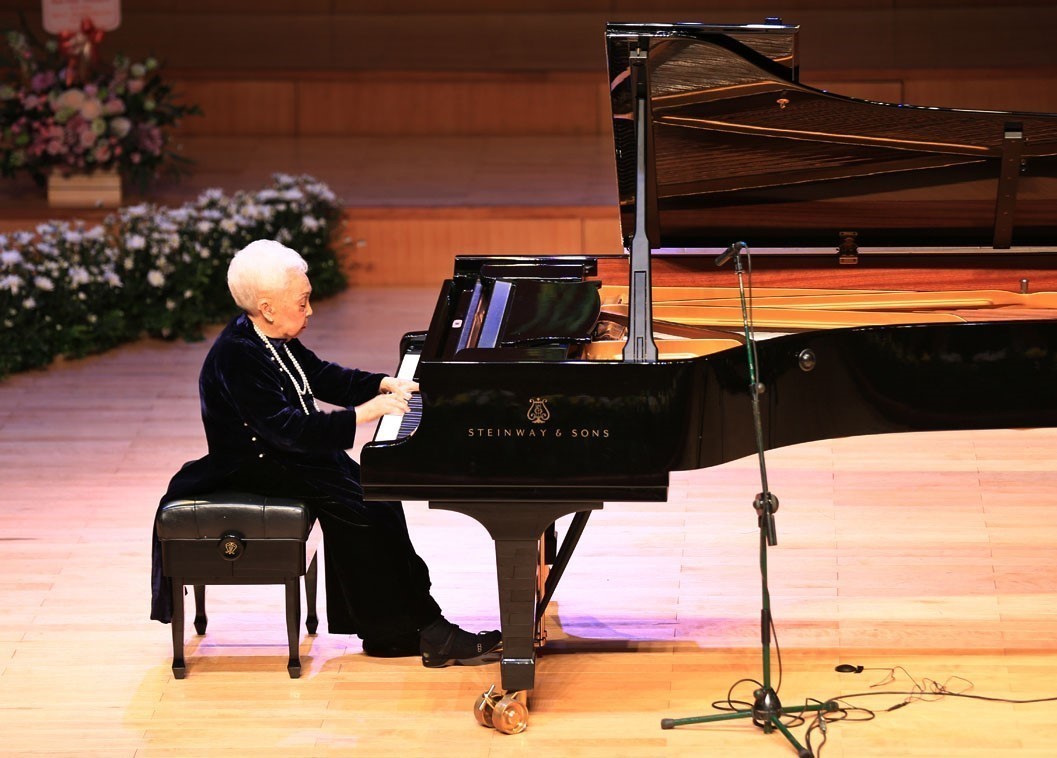
Routine and Nutrition on the Day of Your Performance
Performance day nutrition and routine provide physical stability, sustained blood sugar levels, and predictable mental focus.
- Balanced meals: Consume complex carbohydrates and lean proteins 2 to 3 hours before performance to prevent blood sugar drops.
- Controlled caffeine consumption: Maintain standard caffeine intake to prevent withdrawal headaches while avoiding jitters.
- Light physical movement: Take a 15-minute walk or complete gentle neck and back stretches to release muscular tension.
- Punctual venue arrival: Arrive at the hall 30 to 45 minutes prior to call time for acoustic orientation and mental grounding.
Maintain your normal daily schedule on concert day to anchor your nervous system in familiar routines.
Handling Nerves At the Recital Venue
Managing stage nerves at the venue involves physiological warm-up habits, focused sensory grounding, and immediate error-recovery protocols.
Warm-up Routines to Prevent Stiff Fingers
A concise warm-up routine restores peripheral circulation, releases cold-muscle stiffness, and activates fine-motor control before taking the stage.
- Slow scale patterns: Play familiar diatonic scales at low tempos with a flexible wrist and relaxed arm weight.
- Solid and broken chords: Play cadential chord progressions to re-establish spatial keyboard awareness and firm finger arches.
- Selected transition review: Rehearse 2 or 3 critical structural transitions at moderate speed without exhaustive repetition.
- Opening measure run-through: Play the first 4 bars of each program piece to establish tempo and tonal touch.
Keep backstage warm-ups concise, limiting keyboard contact to 15 to 20 minutes to conserve focus.
Maintaining Focus During the Performance
Maintaining concentration during live performance requires directing attention to auditory feedback and expressive phrasing rather than internal self-judgment.
- Narrative focus: Channel mental attention toward communicating the character and dynamics of the composition.
- Phrase-level presence: Focus exclusively on the active musical phrase without anticipating upcoming technical challenges.
- Coordinated breathing: Inhale naturally at phrase endings to maintain oxygen flow and prevent physical tightening.
- Acoustic listening: Listen actively to the hall resonance and tone decay rather than ruminating on anxious thoughts.
Directing attention toward musical sound reduces intrusive thoughts and supports artistic communication.
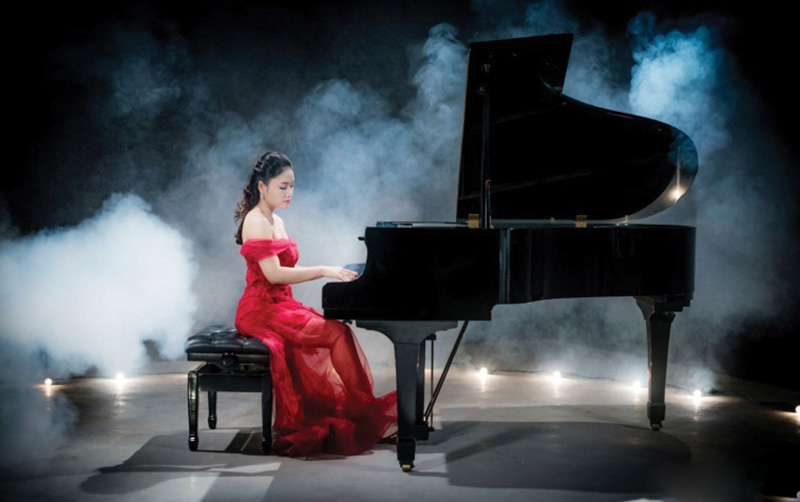
Recovering From Mistakes Without Panic
Recovering smoothly from performance slips preserves musical momentum and prevents minor fingering errors from disrupting the entire piece.
- Maintain rhythmic continuity: Keep the pulse steady and move forward regardless of unintended notes or momentary slips.
- Harmonic landmark targeting: Jump forward to the next major downbeat or phrase opening if you experience a memory slip.
- Dynamic consistency: Maintain intended dynamic levels to prevent drawing audience awareness to a minor inaccuracy.
- Committed demeanor: Maintain composed facial expressions and body language throughout the performance.
Audiences respond to expressive conviction and rhythm, rarely noticing isolated technical inaccuracies when musical momentum continues.
Benefits of Private Piano Lessons in New York City for Anxiety
Personalized in-home piano instruction provides a comfortable setting to address anxiety systematically. Private lessons allow educators to tailor technical and psychological guidance to each student’s needs across Manhattan, Brooklyn, Queens, Staten Island, and the Bronx, including piano lessons Bronx residents rely on.
How PrivatePianoLessons Experts Teach Confidence
PrivatePianoLessons instructors build performance poise through structured 1-on-1 coaching directly in your home:
- Comfortable learning environment: Lessons take place on your own instrument, removing commuting stress and building confidence in a familiar space.
- Individualized repertoire: Teachers choose pieces tailored to student interests to make piano fun for kids and rewarding for adults.
- Milestone monitoring: Instructors provide written progress reports every 12 weeks to assess technique, reading, and musicality across 8 curriculum levels.
- Objective teacher matching: Students are matched with instructors based on musical goals, learning styles, and borough location.
All 48 faculty members hold a minimum of a Bachelor of Music degree, pass background checks every 24 months, and participate in 24 hours of annual pedagogical training.
Gaining Experience Through Student Recitals in NYC
PrivatePianoLessons provides live performance opportunities through semi-annual student recitals held each June and December at a rented concert hall in Manhattan.
- Supportive recital atmosphere: Formal, non-competitive recitals allow students to apply anxiety strategies before an encouraging audience of family and friends.
- Audition preparation: Structured performance milestones prepare students for RCM, ABRSM, and competitive arts school auditions.
- Proven performance history: Since 2010, PrivatePianoLessons has hosted 31 student recitals, helping more than 6,200 students develop stage poise.
PrivatePianoLessons
817 W End Ave, New York, NY 10025, USA
Phone: +1 (917) 903-2146 | Email: [email protected] | Website: https://privatepianonyc.com
Hours: 07:00 – 21:00, Monday – Sunday
Frequently Asked Questions About Stage Fright
Is it possible to overcome performance anxiety quickly?
Overcoming performance anxiety quickly is not realistic, as sustainable anxiety reduction typically requires 3 to 6 months of consistent practice. Developing lasting confidence requires integrating cognitive reframing, diaphragmatic breathing routines, and gradual performance exposure into regular weekly lessons. Most students experience meaningful progress within 4 to 6 weeks of implementing structured relaxation protocols. PrivatePianoLessons instructors integrate these strategies directly into private in-home lessons across New York City.
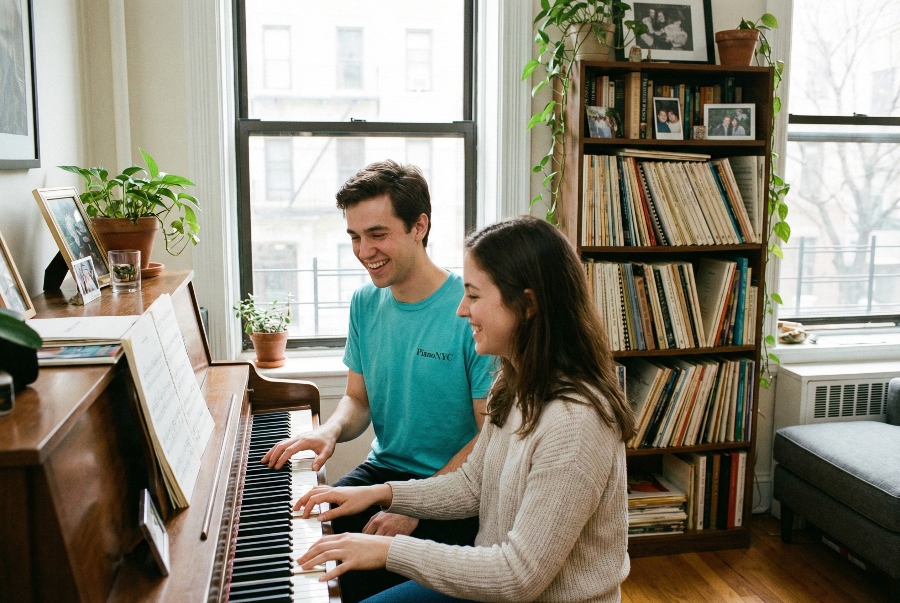
Why do I play perfectly at home but not in public?
You play perfectly at home but not in public because unfamiliar acoustic spaces and audience observation trigger sympathetic nervous system arousal that disrupts unconditioned motor memory. Home practice takes place in a predictable environment with familiar lighting, acoustic response, and keyboard resistance. In contrast, performance venues introduce social evaluation and adrenaline surges that divert cognitive attention. Simulating recital settings during home practice and performing in semi-annual recitals bridges this gap effectively.
How can I stop my hands from shaking while playing?
You can stop your hands from shaking while playing by practicing diaphragmatic breathing, releasing shoulder tension, and shifting cognitive attention toward musical storytelling. Peripheral hand tremors stem from adrenaline surges during acute stress responses. Performing 2 minutes of box breathing stabilizes heart rate and calms involuntary muscle contractions. Shake your arms loosely before approaching the piano, and focus your attention on phrase shaping rather than physical sensations.
