

Proper piano posture is the foundation of sound technique, tonal control, and injury-free playing. Many beginners overlook their seating mechanics, which leads to chronic muscle strain, joint discomfort, and restricted finger speed. This guide details the most common body, hand, and wrist alignment errors—from incorrect bench height to collapsed knuckles—and provides practical corrections for every practice session. Whether you are self-taught or taking Private Piano Lessons at New York City, mastering body alignment fundamentals is essential for producing rich tone and sustaining lifelong musical progress.
Why Correct Posture Matters for Private Piano Lessons at New York City
Proper piano posture establishes the ergonomic foundation for technical agility, expressive dynamics, and physical endurance. In New York City’s demanding learning environment, students who master balanced skeletal alignment from their initial session advance faster than those who must later unlearn compensations. Whether seeking premier private piano instruction NYC or practicing independently, proper ergonomics prevents repetitive stress and accelerates repertoire mastery.
Professional instructors at PrivatePianoLessons observe that students practicing with neutral alignment develop relaxed finger independence and sustain longer, focused sessions. Ergonomic piano posture reduces playing-related physical discomfort while improving motor learning efficiency. Balanced posture enables natural arm-weight transfer into the keyboard, producing warm, resonant tone without excessive muscular exertion.
Students receiving personalized 1-on-1 in-home lessons across NYC’s 5 boroughs consistently outperform peers when they establish correct posture habits at home. Urban lifestyles often promote forward-head tilt, rounded shoulders, and thoracic slouching, making active posture awareness essential for city pianists practicing in their living spaces.
Most Common Body Posture Mistakes Beginners Make
Sitting Too Close or Too Far from the Keyboard
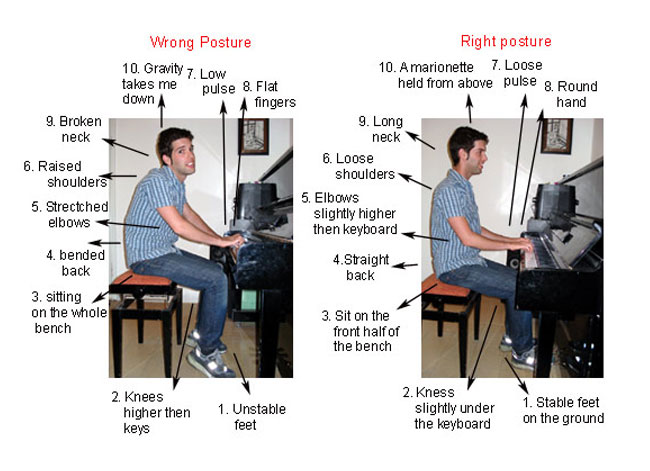
Seating distance from the piano keyboard determines upper-arm freedom, elbow mobility, and wrist flexibility. Sitting too close compresses the elbows against the ribcage, constricting shoulder movement and forcing awkward wrist bends. Sitting too far forces the pianist to reach forward, creating fatigue in the deltoids, upper back, and neck.
The optimal seating distance allows the arms to rest naturally with a gentle forward reach. When fingertips rest on the white keys, the elbows should sit slightly in front of the torso’s midline. Sit on the front half of the bench to allow free hip rotation and bilateral reach across all 88 keys.
Incorrect Bench Height Adjustment
Adjusting piano bench height incorrectly impairs arm-weight distribution and finger articulation. A bench that is too low forces the wrists below the keybed, straining the carpal tunnel and weakening finger striking power. Conversely, a bench that is too high forces the wrists above the knuckles, causing excess downward tension and rigid keystrokes.
Proper bench height aligns the player’s forearms level with or sloping gently downward toward the keys. Adjust the bench until your shoulders remain completely relaxed while depressing keys. This adjustment is particularly vital for those relearning piano as an adult, as mature joints require neutral alignment to prevent repetitive strain.
Standard adjustable piano benches range from 46 to 56 cm (18 to 22 inches). Adult pianists typically require settings between 48 and 53 cm (19 and 21 inches), while children require higher settings paired with stable foot support.
Slouching / Hunching the Shoulders
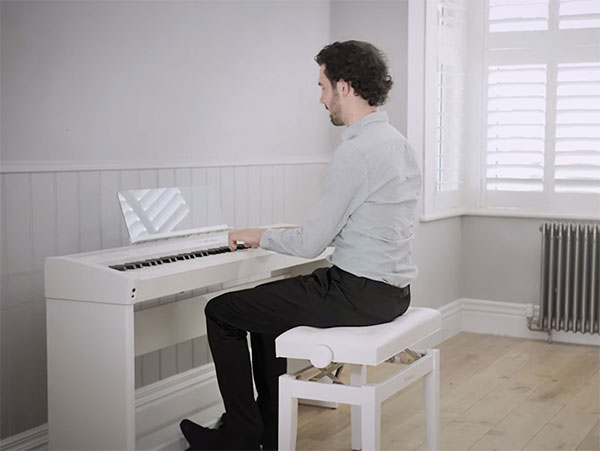
Slouching compresses the diaphragm, limits breath support, and compromises pelvic core stability. Collapsing the spine transfers excessive tension into the upper trapezius and levator scapulae muscles, locking the shoulder girdle and restricting horizontal arm travel across registers.
Maintain an elongated yet relaxed spine from the pelvis through the crown of the head. Keep the shoulders low, open, and resting naturally over the hips without rigid retraction. The head should balance evenly over the cervical spine rather than jutting forward toward the sheet music.
Engage the abdominal core gently to support the torso. A stable pelvis provides the dynamic fulcrum needed for arm-weight delivery during expressive, high-velocity passages.
Neglecting Foot Position: Stability
Foot placement establishes the physical foundation for entire-body balance at the piano. Dangling feet remove lower-body grounding, forcing the lumbar spine and hamstrings to brace awkwardly. Improper foot placement also impedes pedaling accuracy and limits dynamic shifts along the keyboard.
Place both feet flat on the floor or on an adjustable footstool, spaced shoulder-width apart. When parents assess the best age to start piano, physical readiness involves sitting upright with grounded feet. For young children, an adjustable footrest ensures stable leg support until their feet reach the pedals naturally.
Proper foot stability anchors the hips, supports subtle torso leans, and facilitates controlled damper pedal execution during extended practice sessions.
Common Hand and Wrist Posture Errors
Playing with Flat Fingers Instead of Curved
Playing with flat fingers collapses the phalangeal joints, diminishes dynamic control, and limits articulation speed. Flat fingers strike keys with fleshy pads rather than firm tips, causing slurred rhythm and sluggish finger independence during rapid passages.
Curved fingers create a natural arch resembling the hand holding a tennis ball or resting naturally on the knee. Fingertips contact the keys midway between the nail and the pad, transferring arm weight cleanly into the keybed. Each interphalangeal joint maintains structural firmness without rigid locking.
Reinforce curved finger architecture through slow five-finger patterns, five-finger legato drills, and focused Hanon exercises. Establishing this tactile muscle memory ensures crisp articulation across complex classical and contemporary repertoire.
Collapsing the Knuckles / Joints
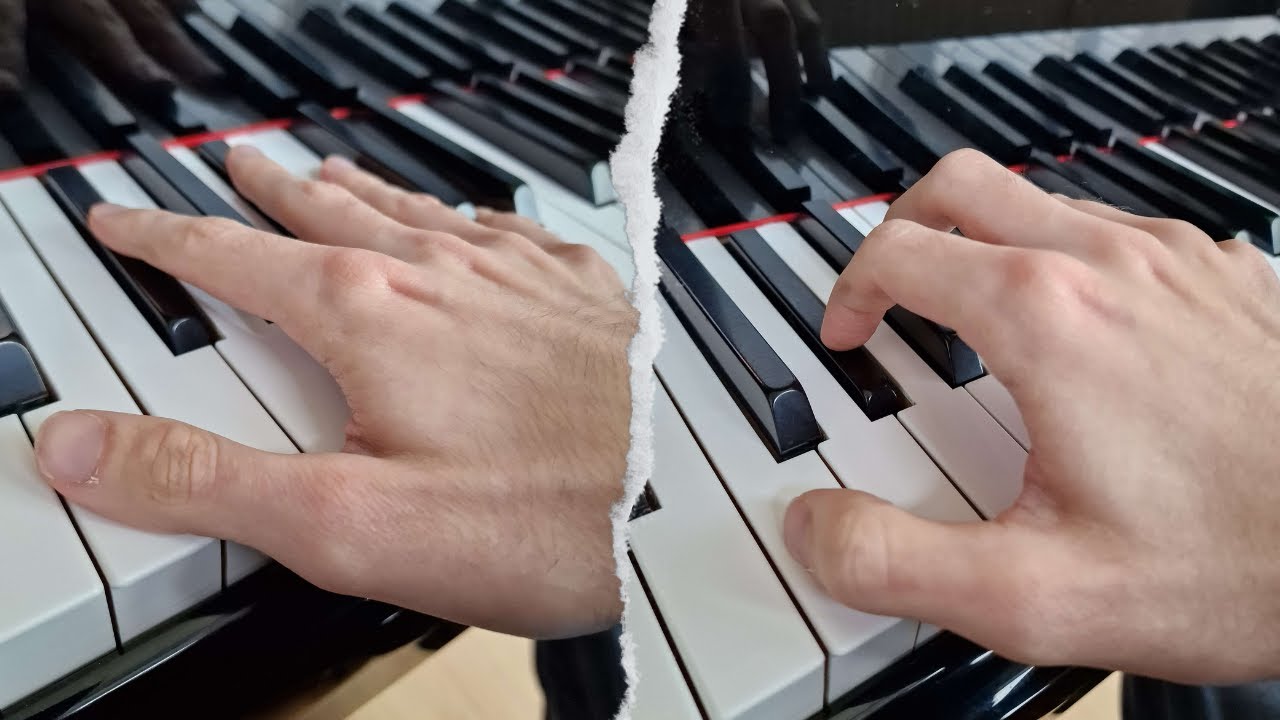
Collapsing the metacarpophalangeal knuckles dissipates arm weight, producing thin acoustic tone and uneven rhythmic control. Collapsed finger joints act like broken shock absorbers, absorbing the physical energy intended for the keyboard and forcing the forearm muscles to overwork.
The bridge knuckles across the hand must remain elevated, forming a dome structure over the palm. Each distal joint should hold its curvature firmly when depressing keys. Pay close attention to the thumb’s interphalangeal joint, which frequently caves inward during cross-under motions.
Isolate individual finger strikes on a closed piano fallboard to strengthen the hand’s natural arch. Practicing deliberate finger lifts builds structural resilience for clean polyphonic voicing and fast arpeggios.
Wrist Position: Sitting Too Low or Too High
Wrist positioning dictates blood flow, tendon excursion, and dynamic power transmission. Dropping the wrists below the keybed pinches the median nerve and strains the flexor tendons, while raising the wrists unnaturally cuts off arm-weight leverage and creates brittle tone.
The optimal wrist position forms a supple, neutral bridge level with or slightly elevated above the key tops. The wrist acts as an elastic shock absorber, flexing gently with lateral forearm shifts without sagging or locking.
Monitor your wrist alignment using mirror checks and smartphone side-angle recordings. Proper bench height combined with balanced keyboard distance naturally fosters this neutral alignment.
Excessive Tension in Hands / Forearms
Excessive muscular tension restricts keystroke speed, reduces expressive nuance, and triggers repetitive strain injuries. Students frequently squeeze the keys or stiffen their wrists during technically challenging passages, producing rapid muscular fatigue and disjointed phrasing.
Relaxation in piano technique means muscular economy—applying only the force required to depress the key, then releasing effort instantly while holding the note. Tension monitoring must become a continuous subconscious habit during daily practice.
Coordinate deep, rhythmic breathing with musical phrases. Consciously release muscle tension during rests, chord releases, and phrase boundaries to keep the forearm muscles supple throughout demanding pieces.
The Consequences of Poor Piano Posture
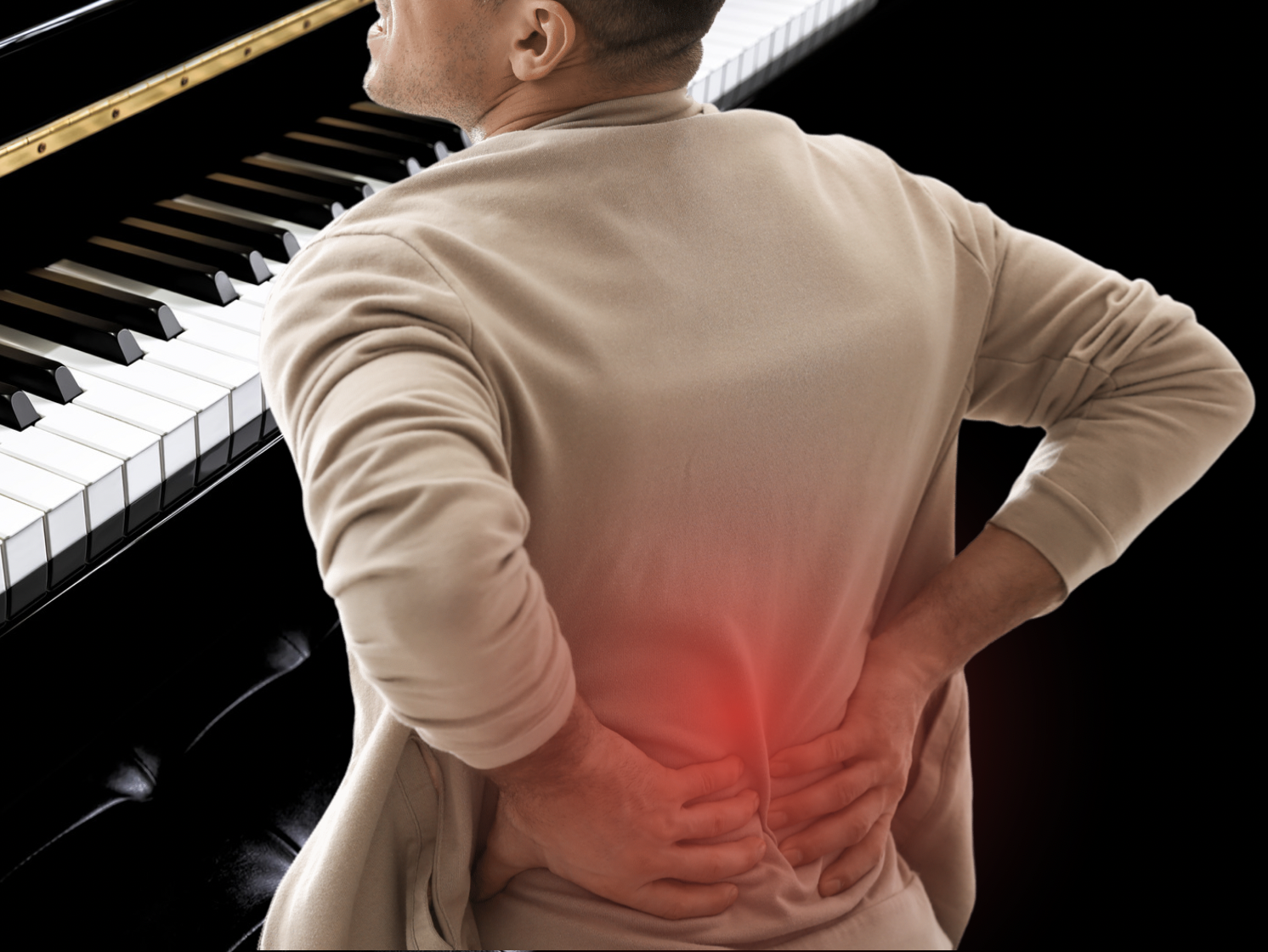
Physical Pain and Long-Term Injury
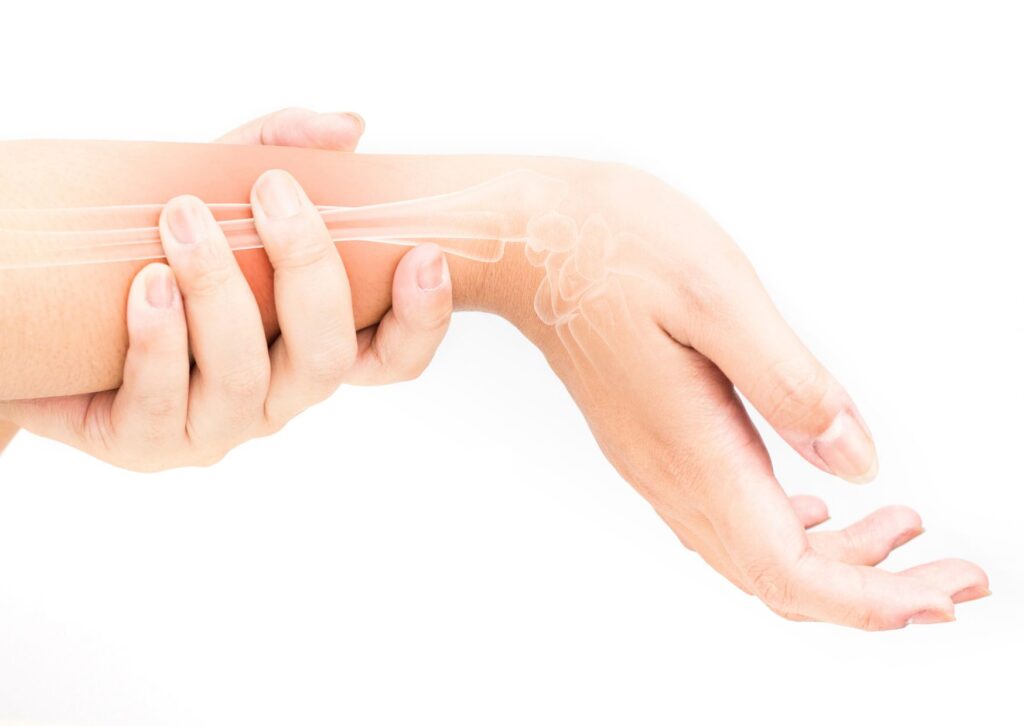
Chronic postural imbalances generate uneven muscular loading that can develop into debilitating musculoskeletal conditions. The most common physical complaints include:
- Cervical spine and neck strain from forward-head posture
- Shoulder girdle tension and rotator cuff impingement
- Wrist tendonitis and carpal tunnel syndrome from dropped wrists
- Lumbar fatigue and thoracic back pain from prolonged slouching
Playing-related musculoskeletal disorders frequently stem from preventable posture flaws formed during early study. Addressing biomechanical misalignment early protects physical longevity and prevents practice interruptions.
Pianists who ignore early physical fatigue often suffer performance-limiting injuries. Establishing correct alignment from your first lesson protects joint health throughout years of musical exploration.
Limitations on Speed and Technique
Poor skeletal alignment creates mechanical drag that directly impedes technical development. When wrists lock or shoulders elevate, finger independence drops, rendering fast passage work uneven and tiring. Compensatory movements make complex repertoire needlessly difficult.
Correct posture aligns the skeletal frame so arm weight flows freely into the key mechanism. Executing rhythmic subdivisions and discovering how to practice with metronome effectively requires a stable physical base to maintain accuracy at brisk tempos.
Advanced pianistic skills—such as rapid octaves, clean ornaments, and four-octave arpeggios—rely on minimal muscle engagement and maximal skeletal leverage. Poor habits plateau progress at intermediate stages.
Poor Tone Production and Dynamics
Physical posture directly shapes sound quality, balance, and musical expression. Collapsed knuckles and stiff wrists isolate finger muscles from the upper body, resulting in thin, percussive tone. Without arm weight, pianists cannot sustain a warm cantabile melody or control broad pianissimo to fortissimo dynamic ranges.
Warm acoustic tone requires coordination among shoulder relaxation, supple wrist movement, and stable finger arches. Correct alignment allows the pianist to vary key depression velocity smoothly, creating rich harmonic colors. This physical freedom is essential when exploring piano improvisation for beginners, where unhindered creative flow depends on effortless physical execution.
Dynamic expression depends on subtle weight adjustments rather than muscular force. Establishing proper alignment empowers pianists to project nuanced dynamics effortlessly across all acoustic pianos and weighted digital instruments.
How to Fix Posture Mistakes with PrivatePianoLessons
Setting Up Your Instrument Correctly Before You Play
An optimal instrument environment prevents posture issues before practicing begins. Adjust bench height, bench distance, and sheet music angle before touching the keys. Ensure adequate overhead lighting illuminates the music stand and keyboard without casting glares.
Maintain your practice space at 20–22 °C (68–72 °F) with 40–50% relative humidity to preserve muscle flexibility and protect acoustic piano regulation. Schedule acoustic piano tuning twice yearly to concert pitch (A4 = 440 Hz) so the instrument responds reliably to nuanced arm weight.

Routine Stretching and Relaxation Exercises
Targeted stretching maintains flexibility and releases built-up muscle tension. Perform a five-minute warm-up routine before practice: gentle shoulder circles, slow neck releases, forearm flexor stretches, and wrist rotations.
Progressive relaxation and diaphragmatic breathing help release physical tension and alleviate piano performance anxiety. Cultivating physical self-awareness at the keyboard translates to effortless posture and relaxed practicing habits.
The Role of Private Piano Lessons at New York City in Correcting Bad Habits
Individual in-home instruction provides real-time ergonomic feedback that self-guided students cannot evaluate alone. PrivatePianoLessons delivers 1-on-1 private piano instruction directly in students’ homes across Manhattan, Brooklyn, Queens, The Bronx, and Staten Island. Every instructor holds a degree in music, with 100% background-checked faculty vetted through rigorous auditions.
During the complimentary 30-minute in-home evaluation, your instructor assesses your piano bench height, seating distance, and hand arch directly on your own piano. Personalized corrections are integrated into our 8-level curriculum (referenced to RCM and ABRSM standards), eliminating bad habits from day one with $0 travel fees throughout New York City.
Conclusion
Mastering correct piano posture is the cornerstone of technical fluency, expressive tonal depth, and long-term physical comfort. Correcting common posture errors—such as incorrect bench height, slumped shoulders, and collapsed knuckles—unlocks speed, dynamics, and musical joy. Sustainable posture habits reward pianists of all ages, from young beginners to mature adults enjoying music for seniors NYC.
Developing ergonomic posture requires consistent daily awareness and structured guidance. PrivatePianoLessons offers personalized 1-on-1 in-home piano lessons across New York City, matching students with degreed teachers who foster sound technique on your home piano.
Schedule your complimentary 30-minute in-home evaluation with PrivatePianoLessons today to experience the lasting benefits of expert 1-on-1 instruction.
Contact Information:
PrivatePianoLessons
817 W End Ave, New York, NY 10025, USA
Phone: +1 (917) 903-2146
Email: [email protected]
Website: https://privatepianonyc.com
Hours: 07:00 – 21:00, Monday – Sunday
