

Choosing between Suzuki and traditional piano methods for your musical journey in New York City—whether you seek piano lessons Queens families trust or instruction in Manhattan—requires understanding the pedagogical principles distinguishing each approach. Both methodologies cultivate accomplished musicians, yet they differ fundamentally in sequence, parental commitment, and technical focus.
The Core Differences Between Suzuki and Traditional Piano Methods
The primary distinction between Suzuki and traditional piano instruction centers on the timing of note reading versus auditory training. Traditional piano methods introduce notation, finger independence, and foundational music theory simultaneously from lesson one. In contrast, the Suzuki method prioritizes active listening, auditory imitation, and playing by ear before introducing written notation.
The core pedagogical sequence contrasts as follows:
- Traditional approach: Written notation → Keyboard mechanics → Expressive interpretation
- Suzuki approach: Auditory immersion → Tactile playing by ear → Written notation
This structural distinction influences practice routines, student independence, and parental involvement, making the choice of method pivotal for long-term musical development.
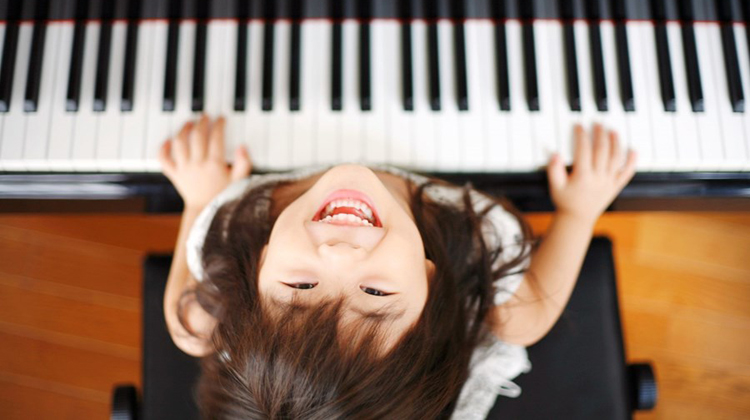
Understanding the Suzuki Method Philosophy
The Suzuki method, established by Japanese violinist and pedagogue Dr. Shinichi Suzuki in the mid-20th century, treats musical performance as a natural human capacity rather than an exclusive genetic talent. Dr. Suzuki observed that all children master their native spoken language effortlessly through immersion, repetition, and parental encouragement, forming the bedrock of his pedagogical philosophy.
The “Mother Tongue” Approach: Listening Before Reading
The mother tongue approach mirrors natural language acquisition by immersing children in recorded music long before they decipher musical symbols. Students listen daily to reference recordings of beginner classical piano pieces, internalizing tone quality, phrasing, and rhythm through regular exposure.
Core principles of the mother tongue approach include:
- Immersive daily listening to establish auditory benchmarks and pitch accuracy
- Learning performance pieces entirely by memory before analyzing musical scores
- Prioritizing tone production, posture, and expressive phrasing over reading speed
- Internalizing musical nuances instinctively through continuous acoustic modeling
The Parent-Teacher-Student Triangle
The Suzuki method relies on a collaborative relationship termed the “Suzuki Triangle,” uniting the instructor, parent, and young student. Parents attend every private lesson, record instructional notes, and act as “home teachers” during daily practice sessions between appointments.
Key parental responsibilities include:
- Attending every instructional session to observe pedagogical cues
- Supervising 10 to 15 minutes of structured home practice daily
- Maintaining an encouraging, patient practice atmosphere without punitive pressure
- Playing assigned audio repertoire consistently throughout the home environment
Emphasis on Repetition and Group Learning
Repetition reinforces motor memory in the Suzuki philosophy, ensuring that mastered pieces remain active within the student’s ongoing repertoire. In community schools, supplemental group classes allow young peers to observe advanced playing, develop ensemble timing, and normalize public performance in a friendly setting.
Pedagogical benefits of observation and repetition include:
- Building deep performance confidence through regular peer exposure
- Motivating novice learners through direct observation of advanced repertoire
- Reinforcing rhythmic synchronization and dynamic awareness
- Eliminating performance apprehension early in childhood development
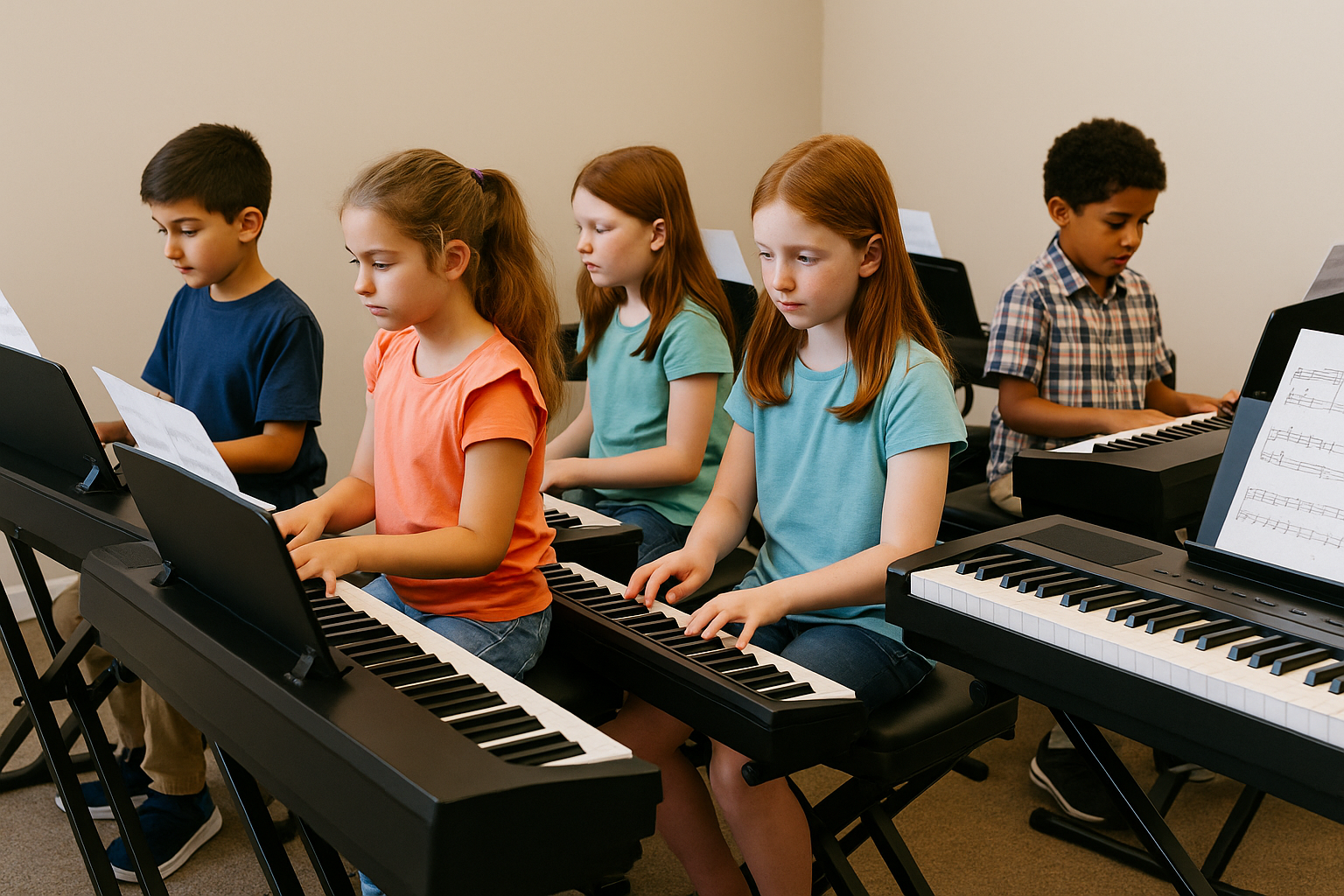
Every Child Can Learn: The Shinichi Suzuki Belief
Dr. Suzuki maintained that any child can achieve musical sensitivity and high technical ability when provided with a nurturing environment, high-quality instruments, and systematic instruction. This humanist philosophy values character development, discipline, and emotional poise alongside instrumental mastery.
Understanding the Traditional Piano Method
The traditional piano method represents centuries of Western classical pedagogy, prioritizing immediate literacy, theoretical analysis, and autonomous musical interpretation. From the very first lesson, students explore the grand staff, keyboard geography, and technical exercises to build comprehensive musical literacy.
Focus on Note Reading and Music Theory from the Start
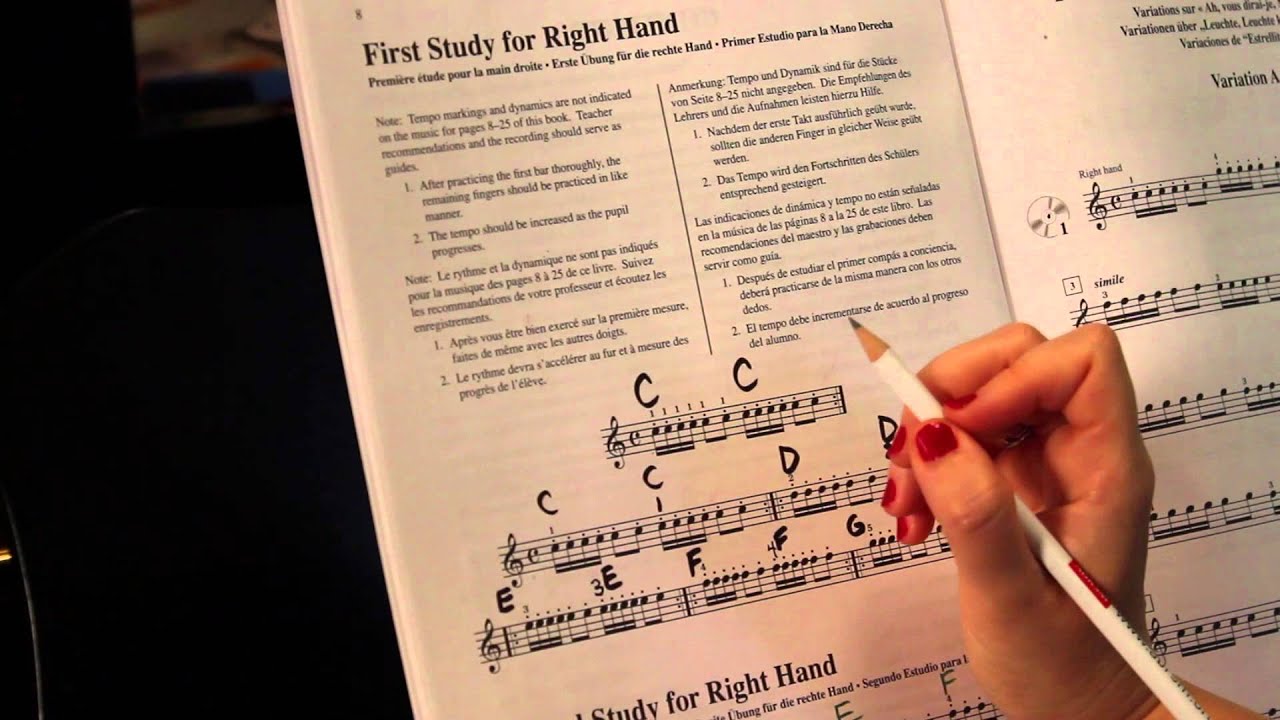
Traditional piano instruction couples keyboard mechanics directly with written notation, developing sight-reading fluency alongside finger dexterity. Students learn treble and bass clefs, time signatures, key signatures, and rhythmic values through recognized method books like Faber Piano Adventures or Alfred’s Basic Piano Library.
Core components of traditional instruction emphasize:
- Simultaneous decoding of pitch, rhythm, and dynamic notation on the grand staff
- Structured music theory integration, including intervals, chords, and scales
- Finger independence developed through piano warm up exercises, Hanon drills, and Czerny etudes
- Immediate cultivation of sight-reading skills for unfamiliar sheet music
Developing Student Independence
Traditional piano pedagogy trains students to become self-reliant problem solvers during practice sessions. Rather than requiring parental guidance at the keyboard, students follow assignments independently, checking fingering, counting beats aloud, and interpreting composer directives.
Independent musicianship develops through:
- Self-directed home practice using structured practice logs
- Independent analysis of phrasing, dynamics, and harmonic progressions
- Appreciation of instrument craftsmanship and Steinway piano history
- Personal interpretive choices guided by composer intentions and historical style
The Role of Private Instruction in Traditional Learning
One-on-one private lessons form the standard setting for traditional piano education. An individual lesson allows the teacher to tailor pacing, correct subtle ergonomic issues, and curate repertoire across the Baroque, Classical, Romantic, and Contemporary eras to match the student’s unique personality and goals.
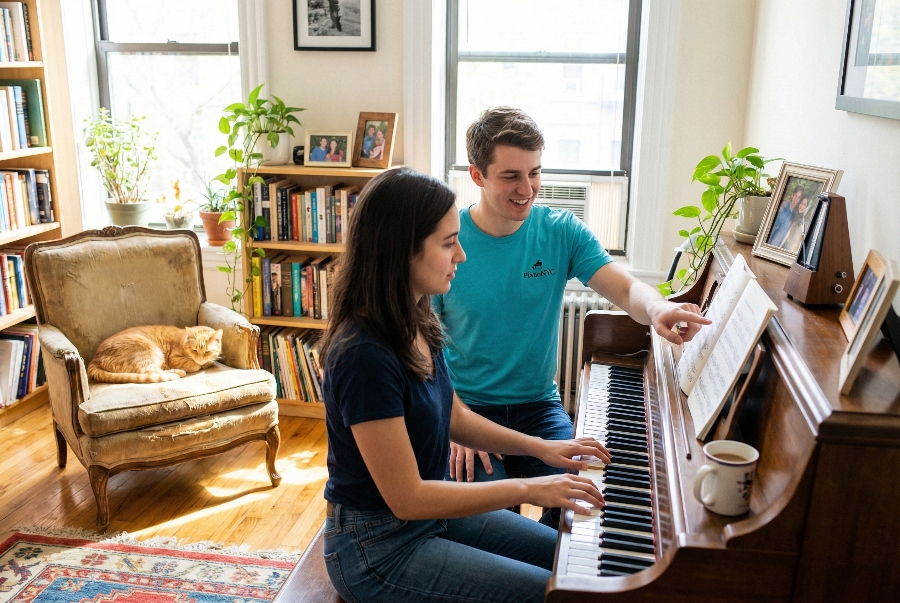
Detailed Comparison: Suzuki vs Traditional Note Reading
Evaluating the mechanical and practical differences between Suzuki and traditional training clarifies which framework best serves your household routine, age profile, and artistic ambitions.
Approach to Sight-Reading vs Ear Training
Traditional Method:
- Introduces notation and score analysis from lesson one
- Develops sight-reading fluency alongside tactile key coordination
- Reinforces theoretical concepts through written workbooks and scale practice
- Prioritizes visual decoding speed and polyphonic score comprehension
Suzuki Method:
- Prioritizes ear training and auditory memorization for months or years before reading
- Cultivates pitch memory, tonal sensitivity, and rhythmic accuracy by ear
- Introduces score reading only after solid physical technique and posture are established
- Builds musical memory through ongoing review of cumulative repertoire
Parental Involvement Requirements
Traditional Method:
- Requires parents to provide a quiet practice space, a proper instrument, and a stable schedule
- Lesson attendance by parents remains optional after early childhood
- Encourages student responsibility for practice consistency and assignment tracking
- Demands zero musical background from parents
Suzuki Method:
- Requires a parent to attend every instructional lesson and take detailed technical notes
- Demands active daily practice supervision by the parent at home
- Involves parent education workshops and home coaching commitments
- Represents a substantial collaborative time investment for the family
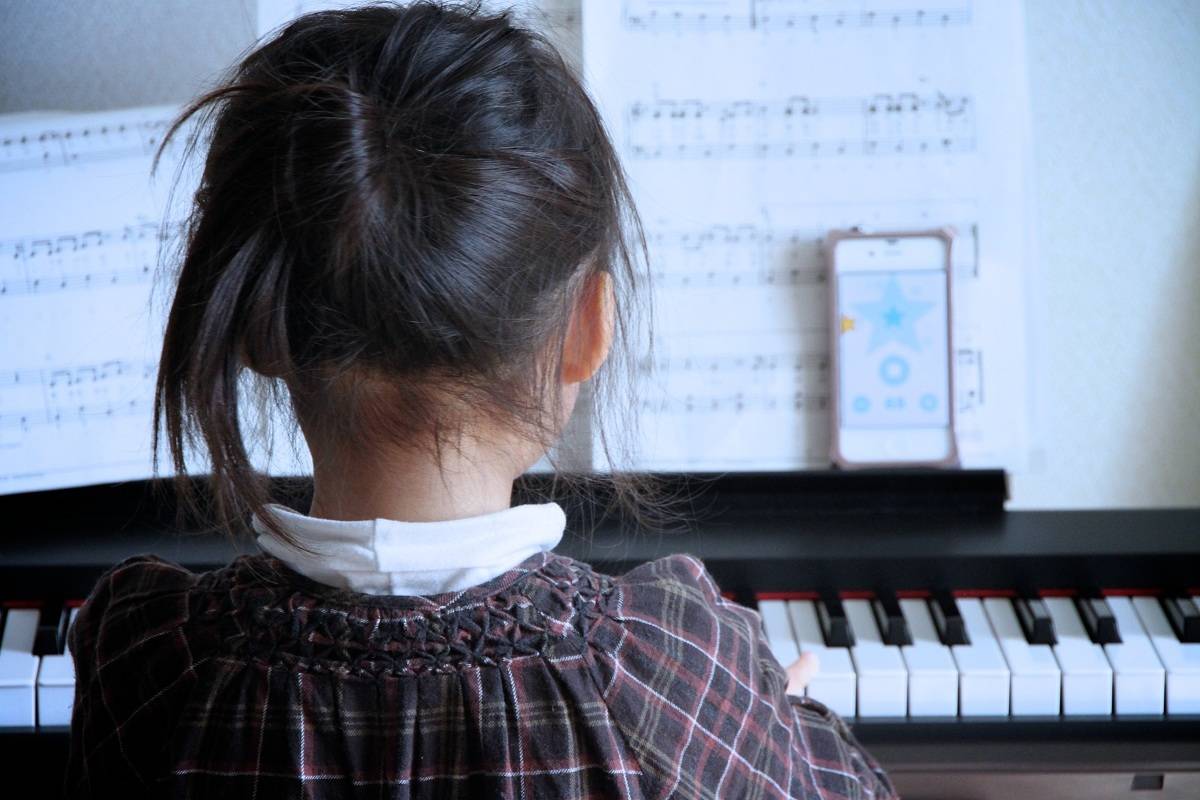
Ideal Starting Age for Each Method
Traditional Method:
- Ideal starting window typically begins between ages 6 and 8
- Requires fundamental reading readiness, alphabet recognition, and number comprehension
- Demands longer cognitive focus to decode two clefs simultaneously
- Develops rapid independent progress for school-aged beginners and teens
Suzuki Method:
- Accommodates young learners starting between ages 3 and 4
- Leverages developmental auditory receptivity before formal reading begins
- Relies on parental hands-on assistance to navigate fine motor challenges
- Builds natural physical ease at the keyboard during early childhood
While childhood beginnings receive significant focus, starting piano late in life offers cognitive and emotional benefits. Mature students frequently select tailored programs like piano lessons for retirees NYC residents use for cognitive vitality and expressive fulfillment.
How PrivatePianoLessons Tailors Instruction for NYC Students
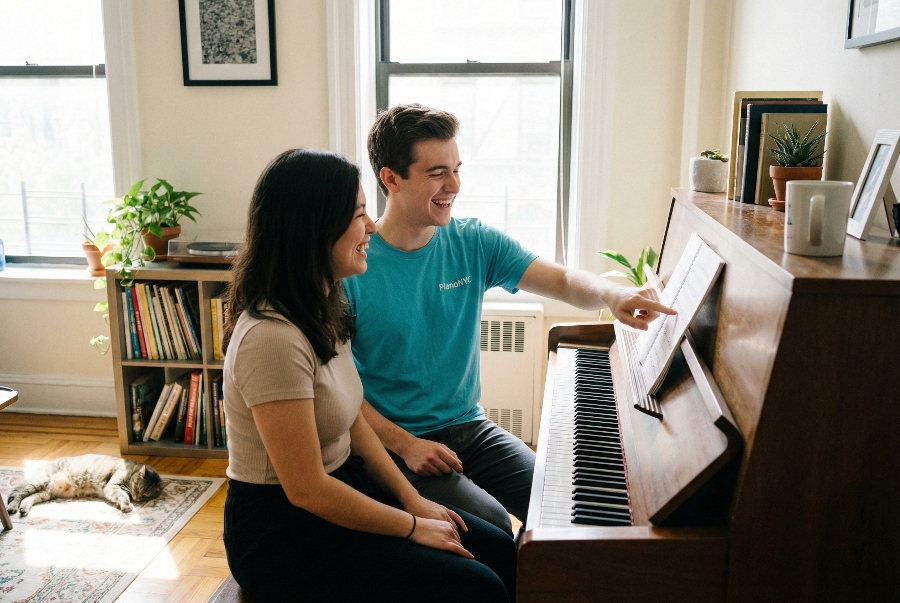
At PrivatePianoLessons, our faculty provides customized 1-on-1 private in-home piano lessons across Manhattan, Brooklyn, Queens, The Bronx, and Staten Island. Founded on May 12, 2010, by pianist and pedagogue James Harrison, we combine Suzuki ear-training intuition with traditional notation literacy to match each student’s personal learning pace.
Our personalized in-home approach features:
- 1-on-1 In-Home Lessons: Credentialed instructors travel directly to your residence with $0 travel fees across all five NYC boroughs.
- Balanced Pedagogy: A structured 8-level curriculum referenced to RCM and ABRSM standards that integrates ear training, note reading, and modern pieces like easy pop songs on piano.
- Flexible Scheduling: Lessons available from 07:00 to 21:00, Monday through Sunday, with free rescheduling when giving 24 hours’ notice.
- Documented Progress: Written progress reports delivered every 12 weeks, plus two voluntary performance recitals each year in Manhattan.
Every new student receives a complimentary 30-minute in-home evaluation to assess instrument setup, posture, and musical goals before formal enrollment.
Choosing the Right Private Piano Lessons in New York City for Your Goals
The Suzuki method works best if the student:
- Demonstrates acute listening comprehension and learns melodies quickly by ear
- Starts at an early age (3 to 5 years old) before formal alphabet literacy develops
- Has a parent available to attend lessons and direct daily practice sessions at home
- Thrives through positive auditory reinforcement and progressive technical repetition
The traditional method works best if the student:
- Demonstrates reading readiness and responds well to visual, analytical instruction
- Begins lessons at age 6 or older, including teenagers and adult learners
- Prefers independent home practice without continuous parental intervention
- Wants to read sheet music autonomously and study formal music theory
Schedule a consultation with PrivatePianoLessons to evaluate:
- Your child’s learning preferences, hand size, and auditory acuity
- Family availability for regular home practice support
- Instrument requirements, including acoustic pianos or 88-key weighted digital keyboards
- Convenient lesson timing tailored to your NYC borough and schedule
Frequently Asked Questions (FAQs)
Explore answers to common questions about selecting the ideal piano methodology for your home instruction in New York City.
What Is the Primary Difference Between Suzuki and Traditional Piano Methods?
The primary difference between Suzuki and traditional piano methods centers on the timing of note reading versus ear training. The Suzuki method prioritizes listening, auditory imitation, and playing by ear before introducing musical scores, mirroring native language acquisition. In contrast, the traditional method introduces grand staff note reading, rhythm values, and foundational music theory from the very first lesson to establish immediate visual literacy.
What Is the Ideal Starting Age to Begin Piano Under the Suzuki Method?
The ideal starting age to begin piano under the Suzuki method is between 3 and 4 years old. Children at this early developmental stage possess receptive auditory senses that absorb musical sounds naturally through environmental immersion. Success at this age requires an active parent to attend all lessons, take notes, and supervise short daily practice sessions at home.
Is Parental Involvement Mandatory in Traditional Piano Lessons?
Parental involvement in traditional piano lessons is supportive rather than mandatory. Parents provide a tuned instrument, maintain a quiet practice space, and encourage consistency, but they do not need to attend lessons or direct daily technical exercises. Traditional pedagogy cultivates student independence, allowing children ages 6 and older to manage assignments on their own.
Ready to begin your piano journey in New York City?
PrivatePianoLessons
Coordination Headquarters: 817 W End Ave, New York, NY 10025, USA (Upper West Side, Manhattan)
Service Areas: Manhattan, Brooklyn, Queens, The Bronx, and Staten Island ($0 travel fee)
Phone: +1 (917) 903-2146
Email: [email protected]
Website: https://privatepianonyc.com
Hours: 07:00 – 21:00, Monday – Sunday
