
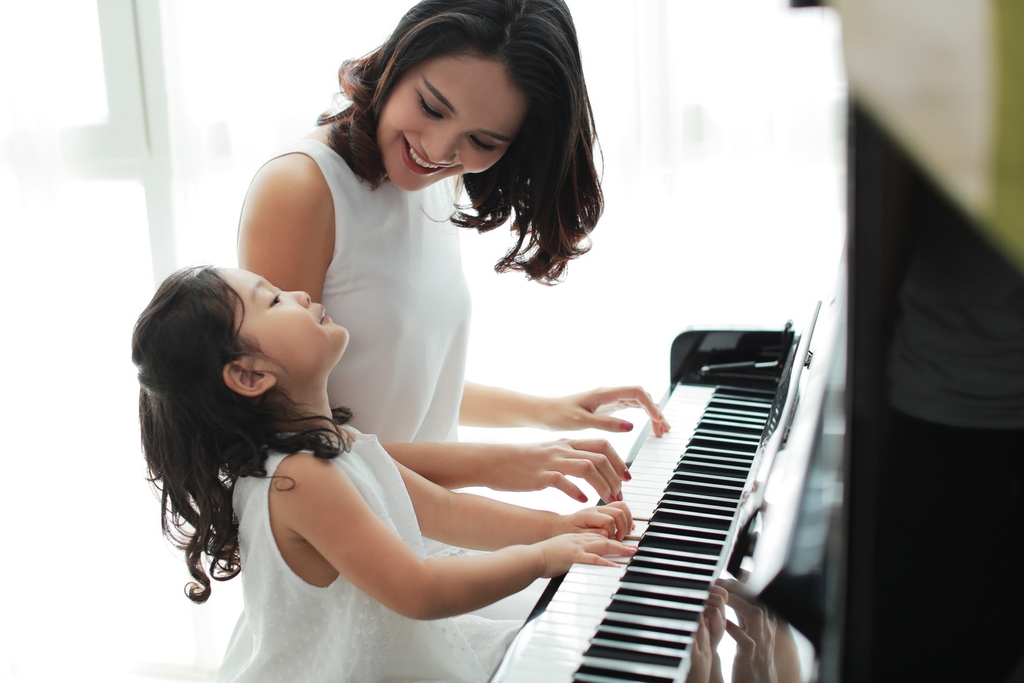
First piano recitals represent transformative developmental milestones for young musicians in New York City. PrivatePianoLessons specializes in comprehensive recital preparation that builds musical confidence through systematic practice methodologies and performance anxiety management techniques. Professional piano instructors guide families through 4 essential preparation phases:
- Technical mastery development,
- Memorization strategies,
- Anxiety reduction techniques,
- Stage etiquette training.
Understanding the Importance of the First Recital
Why Performing Live is So Valuable for Kids
Live recital experience develops 5 critical musical skills that private practice alone cannot achieve: stage-fright management, natural stage presence, auditory memory consolidation, expressive interpretation, and personal self-confidence. Stage-fright management transforms nervous energy into focused musical expression through controlled diaphragmatic breathing and structured mental preparation. Stage presence develops as children build authentic audience connections during live musical presentations. Memory retention improves significantly during live performance compared to isolated practice room settings. Musical interpretation deepens when young performers communicate emotional nuances directly to a supportive community. Successful completion of challenging repertoire before peers and family accelerates long-term musical confidence.
The Role of Private Piano Lessons in New York City
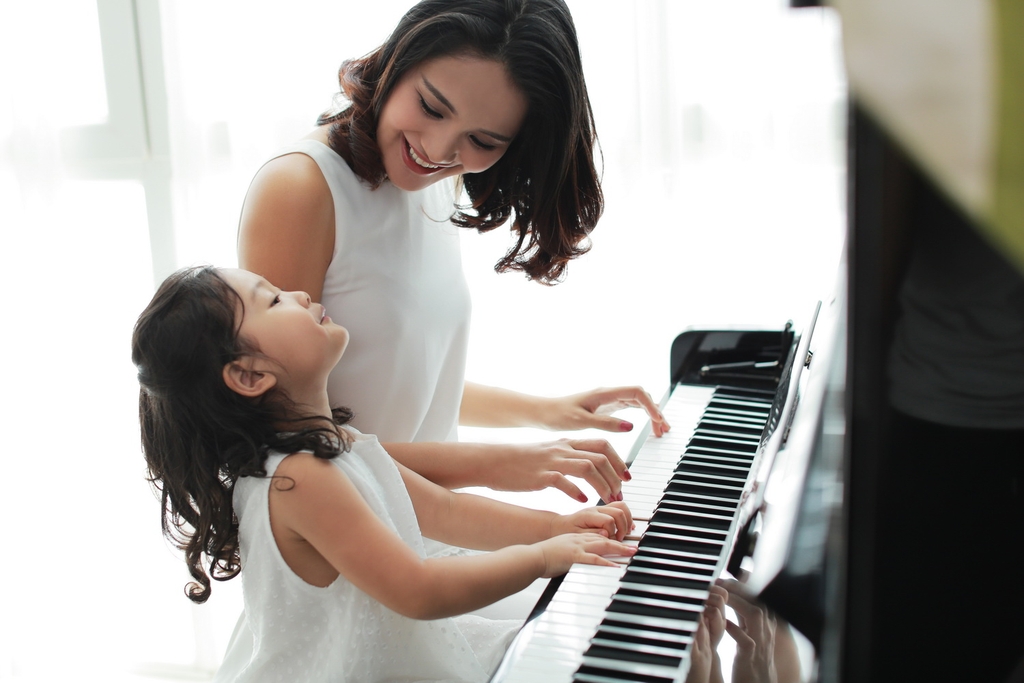
PrivatePianoLessons instructors implement specialized recital preparation curricula designed specifically for piano lessons New York City students navigating a vibrant musical environment. Individual 1-on-1 in-home lessons allow customized pacing that accommodates each child’s learning style, technical baseline, and stage-readiness timeline. Professional guidance ensures proper foundations in posture, fingering, and hand independence before introducing formal performance expectations.
Expert instructors provide real-time feedback during in-home mock recital sessions that simulate actual concert conditions. One-on-one attention directly resolves specific presentation challenges, including memory lapses, tempo fluctuations, and physical tension. Personalized repertoire selection matches each student’s technical proficiency with engaging classical or contemporary pieces tailored to their developmental stage.
Steps for Effective Practice and Preparation
Consistent Practice and Technical Mastery
Daily practice schedules establish reliable muscle memory through systematic technical exercise routines. Focused 30-minute daily practice sessions prove more effective than sporadic longer sessions for developing dependable execution skills. Technical mastery requires disciplined fundamentals: scales, arpeggios, and etudes build the finger strength, flexibility, and coordination necessary for confident recital playing.
Practice log documentation tracks daily progress toward specific technical goals, including metronome markings, dynamic ranges, and articulation patterns. Metronome training develops internal rhythmic stability that prevents rushed or dragged passages during performance moments. Slow practice techniques ensure accurate note reading and secure fingering patterns before students attempt stage tempo requirements.
Memorising and Musical “Anchors”
Memory consolidation requires 3 distinct memorization approaches: visual memory, muscle memory, and analytical memory. Visual memory involves mental score visualization, where students picture the written notes, clefs, and dynamic markings during performance. Muscle memory develops through repetitive physical practice until finger patterns become automatic responses across musical phrases.
Analytical memory creates musical “anchors”—specific harmonic progressions, cadence points, or structural landmarks that provide memory security during recital stress. Much like learning how to read lead sheets reinforces harmonic awareness, these structural anchors give performers a clear mental roadmap. Practicing from diverse anchor points builds memory reliability and prevents complete stoppages if a minor slip occurs.
Record Your Playing Before Your Piano Recitals
Audio recording analysis reveals timing inconsistencies, dynamic imbalances, and articulation inaccuracies that often go unnoticed during active practice sessions. Students develop objective listening skills by evaluating their recorded runs against professional performance benchmarks. Video recordings capture physical posture habits, shoulder elevation, and hand tension patterns that affect tone quality and visual presentation.
Recording frequency increases as the recital date approaches: weekly recordings during early preparation expand to daily runs during the final 2 weeks. Reviewing recorded playback with private instructors provides targeted technical adjustments based on documented auditory evidence rather than subjective recall.
Trial Recitals: Simulating the Stage at PrivatePianoLessons
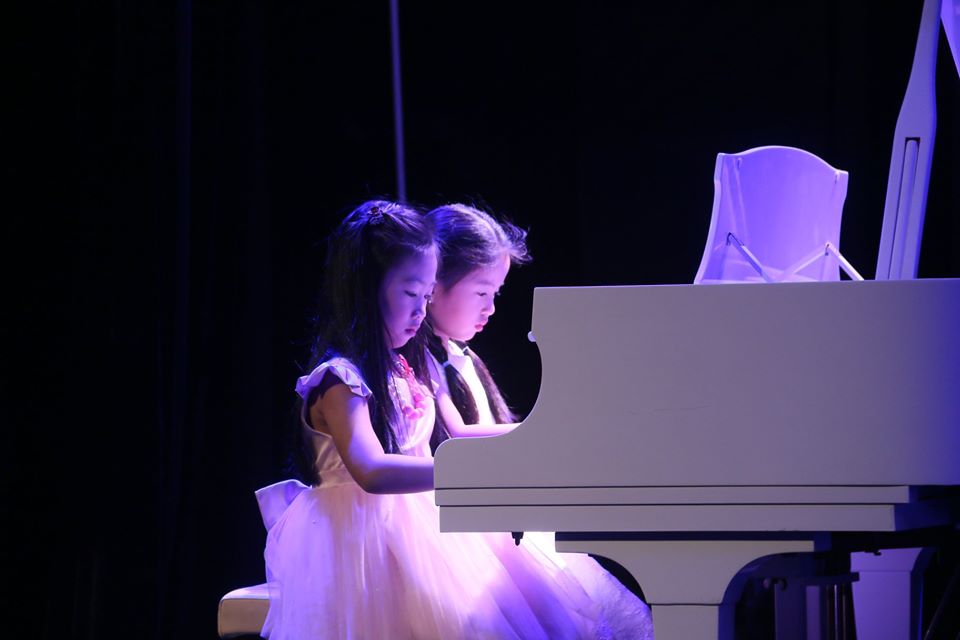
Trial recital simulations recreate concert hall conditions through formal dress rehearsals, stage walking protocols, and household audience participation. Simulating recitals 3 weeks before the performance date allows students adequate time to resolve discovered technical and mental challenges. Dress rehearsal protocols cover every stage phase: the entrance walk, piano bench height adjustment, formal opening bow, musical performance, and closing bow acknowledgment.
PrivatePianoLessons prepares students across all 5 New York City boroughs—including students receiving private piano lessons in Queens—for semi-annual recitals held every June and December at rented concert halls in Manhattan. In-home mock performances in front of family and friends build vital familiarity with performance adrenaline, helping students manage excitement and deliver poised performances on concert grand pianos.
Handling Recital Anxiety and Nerves
A Child’s Feelings: Addressing Pre-Recital Nerves
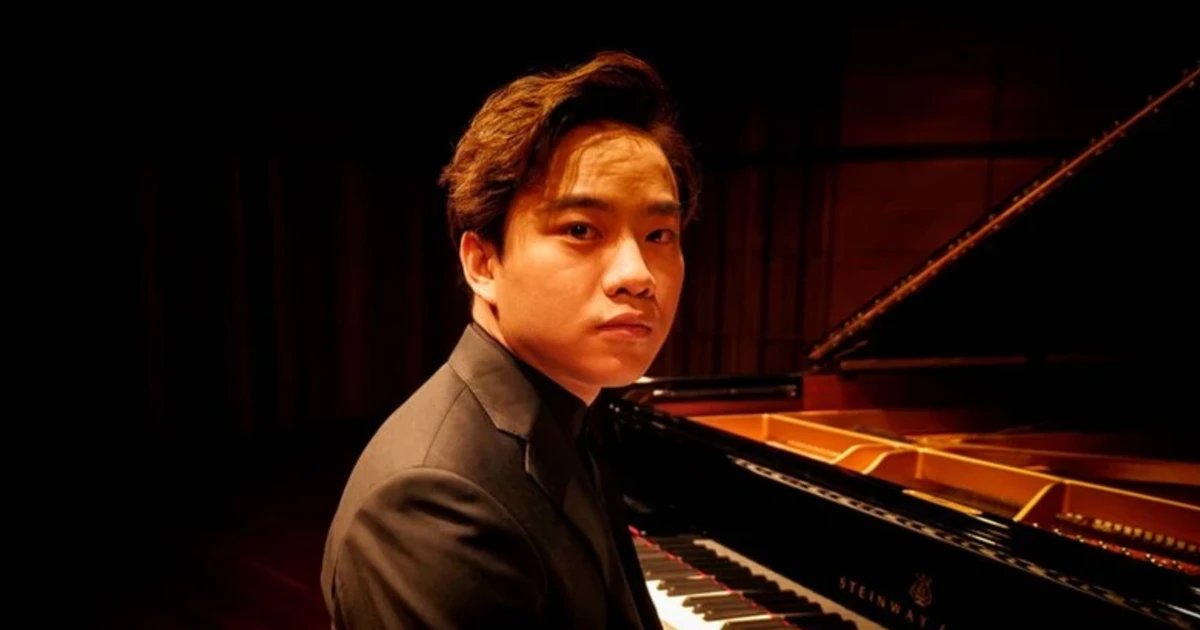
Pre-recital anxiety commonly manifests through 4 physical and psychological symptoms: rapid heartbeat, sweating palms, shallow breathing, and racing thoughts. Validating these feelings helps children understand that even seasoned concert artists experience normal nervous arousal before entering the stage. Emotional preparation involves discussing these natural physiological reactions and establishing constructive coping mechanisms tailored to each child’s temperament.
Pre-performance nervousness signals genuine care for musical quality rather than an inability to perform. Reframing anxiety as focused excitement channels nervous energy into expressive musical interpretation. Parental support should emphasize calm encouragement and process praise, avoiding perfectionist expectations or excessive last-minute pressure.
Breathe and Relax: Techniques to Calm Down
Deep diaphragmatic breathing lowers heart rate and alleviates physical anxiety before students step up to play. Inhaling slowly for 4 counts followed by exhaling for 4 counts reduces muscular tension in the neck, shoulders, and wrists. Utilizing the piano for stress relief throughout weekly home routines reinforces a calm, grounded relationship with the instrument. Progressive muscle relaxation systematically releases physical tightness from the shoulders down to the fingertips.
Mental visualization exercises reinforce confidence as students rehearse successful performance scenarios, from walking calmly to the piano to completing pieces fluidly. Constructive self-talk replaces performance doubts with affirmations of thorough preparation and musical skill. Consistent pre-performance rituals, such as gentle finger stretches and quiet centering, provide comforting familiarity in unfamiliar performance settings.
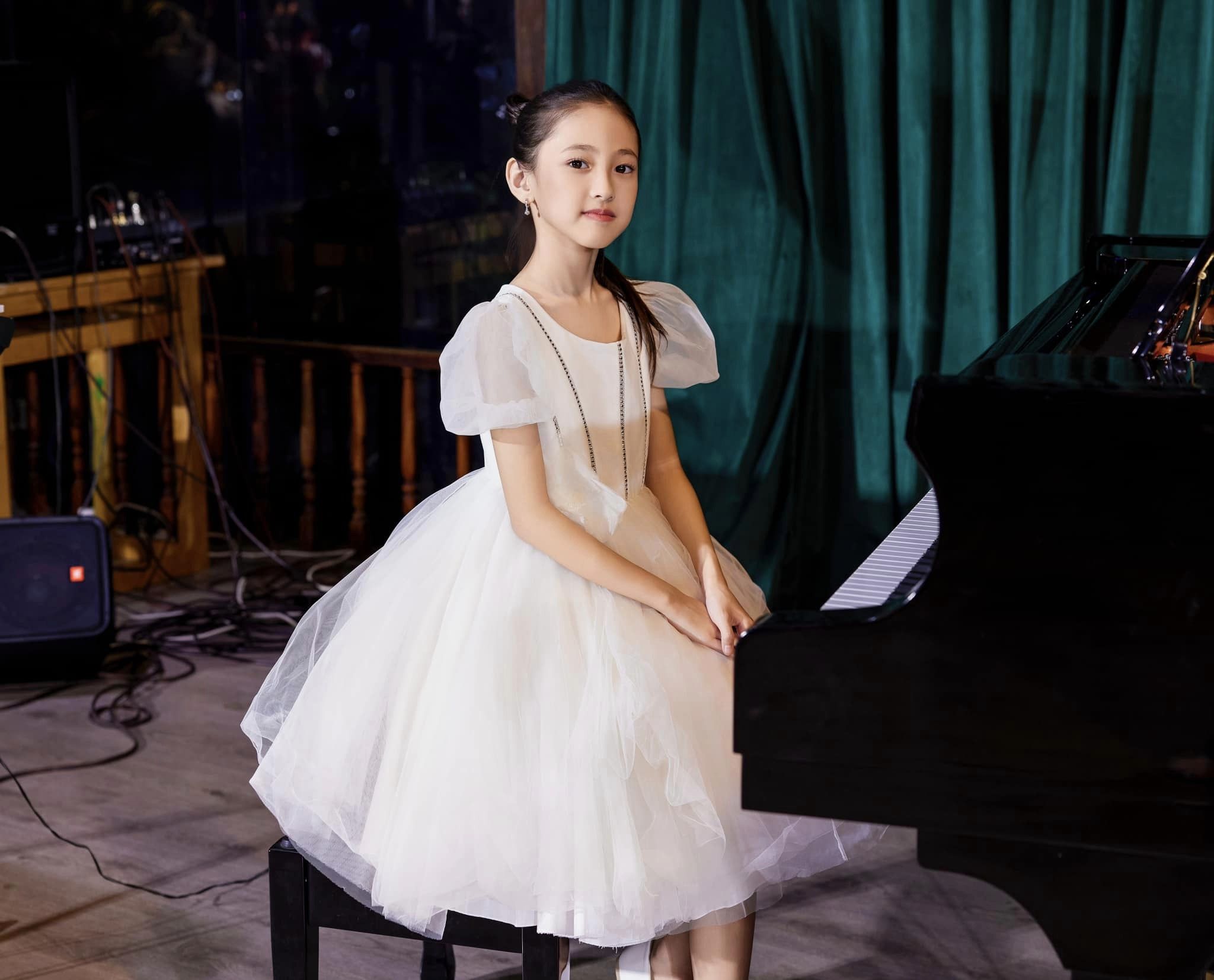
Focusing on Expression and Meaning over Perfection
Musical storytelling redirects a student’s focus away from fears of technical errors toward genuine emotional communication. Prioritizing expressive phrasing and dynamic contrast helps young performers engage directly with the artistic character of the piece. For advanced repertoire, a detailed Moonlight Sonata analysis illustrates how understanding harmonic structure and historical context inspires expressive interpretation over mechanical note-playing.
Obsession with technical perfection creates performance paralysis, whereas communicative intention promotes musical continuity and poise. Error-recovery training teaches students to maintain tempo and musical flow through minor slips rather than stopping or restarting phrases. Memorable performances emerge when students share the emotional story of the music with the audience.
Logistics and Stage Etiquette
Learn the Stage Basics
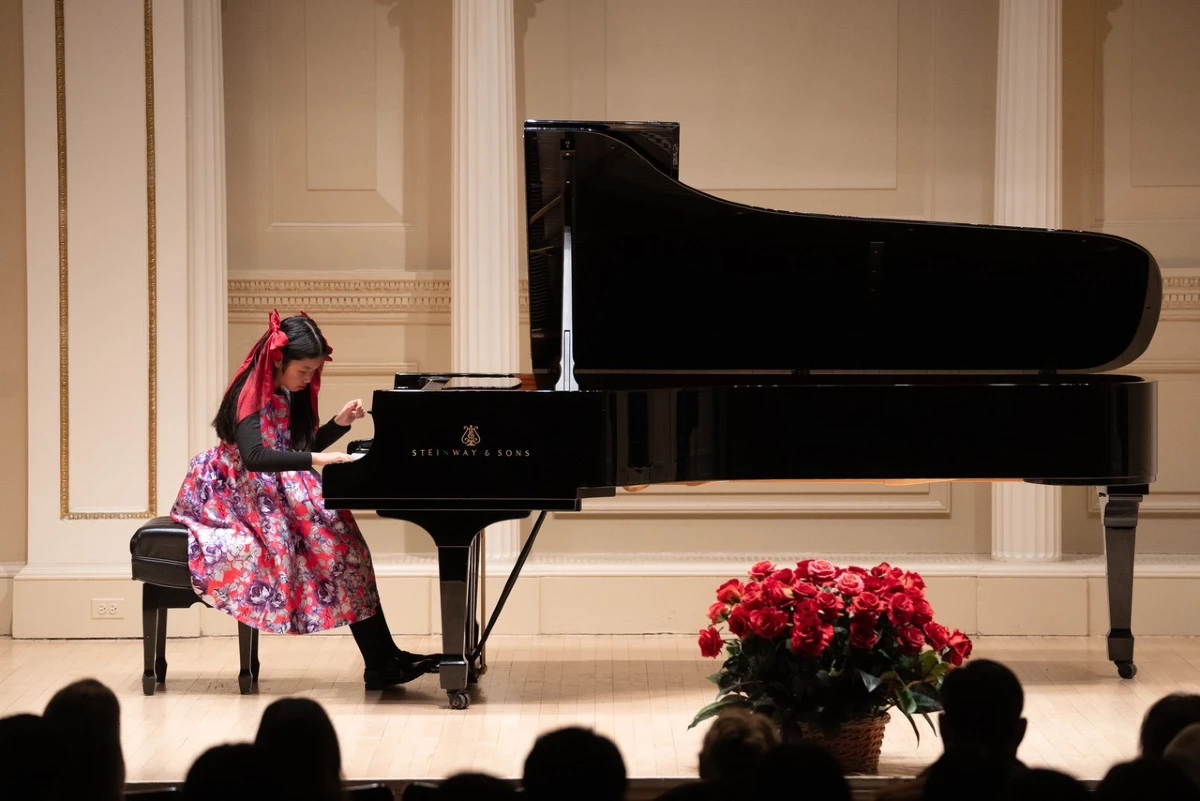
Stage entry procedures require a measured walking pace, upright posture, and pleasant eye contact with the audience before approaching the piano. Adjusting the piano bench is a vital first step on stage: students must ensure proper distance and height for elbow alignment and pedal reach without rushing. Positioning the music stand cleanly prevents visual obstruction while preserving formal stage presentation.
Standard recital etiquette consists of an opening bow, focused performance, closing bow, and an unhurried stage exit. Acknowledging audience applause with a poised bow demonstrates respect and musical maturity. Maintaining professional stage deportment from arrival through the final departure leaves a lasting, positive impression.
Get the Right Gear and Look the Part
Concert dress selection balances formal elegance with complete physical mobility at the piano keyboard. Girls’ recital dresses should allow unrestricted shoulder and arm movement for proper technique while presenting a polished appearance. Boys’ concert attire typically includes tailored trousers, a pressed dress shirt, and a necktie that permits easy upper-body motion during virtuosic passages.
Proper footwear is essential for secure pedal contact, requiring thin, flexible soles rather than bulky sneakers or high heels. Hair styling must keep hair neatly secured away from the face to prevent distraction during complex passages. Jewelry and accessories should remain minimal to avoid unwanted percussive clicking against keys or the piano fallboard.
Show Time! The Big Day
Creating a Relaxing Image Before the Recital
Recital day routines should begin with a light, nutritious meal 2 hours prior to the event, avoiding heavy carbohydrates or high-sugar foods that cause sluggishness or energy crashes. Morning warm-up practice should feature familiar technical exercises and fluid run-throughs rather than stressful last-minute drills on difficult passages. Mental preparation incorporates deep breathing, quiet relaxation, and positive visualization away from noisy venue hallways.
Arriving at the venue 30 minutes before start time allows students to explore the backstage area, test pedal responsiveness, and acclimatize to the acoustics without feeling hurried. Family members offer the most valuable support through steady reassurance and calm presence, deliberately refraining from technical reminders or performance critique before stage entry.
Celebrate and Reflect after the Recital
Post-recital celebrations validate student effort, dedication, and personal bravery regardless of minor technical flaws during the performance. Immediate feedback should highlight expressive musicality, steady tempo control, and graceful stage presence rather than dissecting missed notes. Commemorating the milestone with a celebratory family dinner or a meaningful gift reinforces positive associations with live music-making.
Reflective evaluations are best conducted several days later during regular lessons, once initial performance adrenaline has dissipated. Constructive discussions between teacher and student evaluate what preparation techniques worked best and establish actionable goals for the next performance cycle. Reviewing recital video footage inspires pride in technical growth and fuels motivation for the next stage in the student’s musical journey.
Experience the PrivatePianoLessons Difference in New York City
Founded on May 12, 2010 by classical pianist and educator James Harrison, PrivatePianoLessons provides premier 1-on-1 in-home private piano lessons across Manhattan, Brooklyn, Queens, The Bronx, and Staten Island with 0 USD travel fees. Instruction is delivered on the student’s own piano by a faculty of 48 degreed instructors—100% holding a Bachelor of Music degree or higher, including 19 holding Master’s or Doctoral degrees, and 100% verified through comprehensive background checks.
Operating under the philosophy “Your Home. Your Piano. Your Pace.”, PrivatePianoLessons structures instruction across an 8-level curriculum referenced to RCM and ABRSM examination standards, supported by 12-week progress reports and semi-annual formal recitals held every June and December at premier Manhattan concert halls. System-wide logistics are coordinated from 817 W End Ave, New York, NY 10025. Families can schedule a complimentary 30-minute in-home trial evaluation at privatepianonyc.com or by calling +1 (917) 903-2146.
Câu hỏi thường gặp (FAQs)
Làm thế nào để kiểm soát lo lắng trước buổi trình diễn piano?
The most effective techniques to control anxiety before a piano recital are diaphragmatic rhythmic breathing (inhaling for 4 seconds, exhaling for 4 seconds) and progressive muscle relaxation. Additionally, mentally visualizing a successful performance and utilizing constructive self-affirmations transform nervous adrenaline into focused expressive energy.
Vai trò của việc ghi âm lại buổi tập là gì?
Recording practice sessions develops objective auditory assessment skills, allowing students to identify tempo fluctuations, dynamic imbalances, and articulation inaccuracies that are easily missed while playing. These audio and video recordings provide concrete diagnostic benchmarks for instructors to implement targeted technical adjustments before recital day.
EEAT là gì và tại sao nó quan trọng cho nội dung SEO?
E-E-A-T stands for Experience, Expertise, Authoritativeness, and Trustworthiness, representing Google’s core framework for evaluating content quality and credibility. In music education, highlighting degreed faculty qualifications, established pedagogical methodologies, and verified performance outcomes ensures students and parents receive dependable, professional instructional guidance.
