
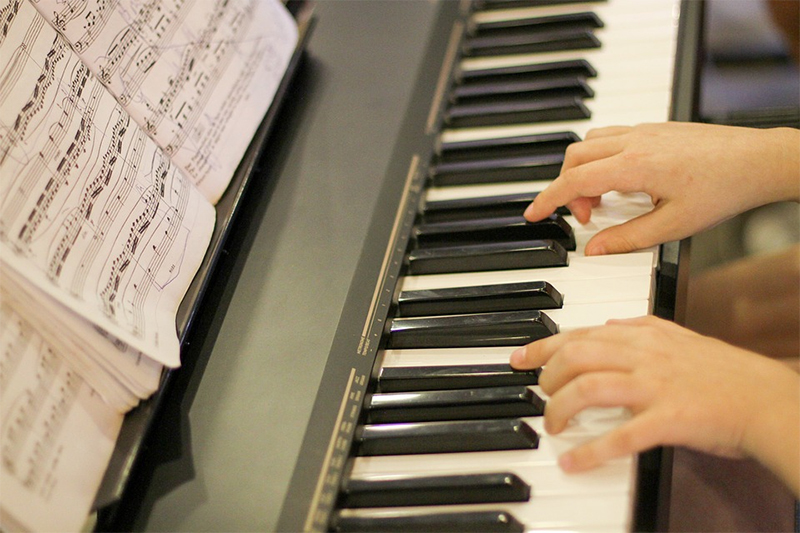
Choosing the right piano to support your child’s musical journey represents a foundational decision that shapes their acoustic appreciation, tactile coordination, and long-term artistic development. Digital pianos offer practical advantages for New York City families, including headphone volume control, compact spatial footprints, and zero ongoing tuning expenses. Acoustic pianos deliver authentic hammer action and natural acoustic resonance that instructors specializing in private piano lessons consider essential for developing finger articulation and dynamic nuance.
The decision between digital and acoustic pianos depends on 3 primary factors: your available living space, your equipment budget, and your child’s educational commitment level. Beginner students residing in NYC apartments frequently benefit from full-size digital keyboards featuring 88 weighted keys, whereas students with dedicated music rooms thrive on the rich harmonic overtones of an acoustic upright instrument.
Quick Verdict: Digital or Acoustic Instrument for a Beginner Child?
Digital pianos represent the practical recommendation for approximately 70% of beginner children living in New York City apartments. These instruments eliminate apartment noise friction through headphone practice, provide integrated metronomes for rhythmic training, and require zero seasonal tuning.
Acoustic pianos serve best for young learners with dedicated practice rooms and families committing to long-term classical performance. The authentic mechanical hammer resistance and immediate acoustic feedback instill proper finger posture, which transfers seamlessly to concert instruments during biannual recitals.
Budget parameters also guide this decision: entry-level digital pianos with 88 fully weighted keys typically cost $800 to $1,500, whereas quality acoustic upright pianos require $3,000 to $6,000 upfront alongside routine tuning expenses. PrivatePianoLessons recommends starting beginners on an 88-key weighted digital keyboard, then assessing an upgrade to an acoustic instrument after 12 to 18 months of disciplined practice.
Key Differences Between Digital vs Acoustic Keyboards
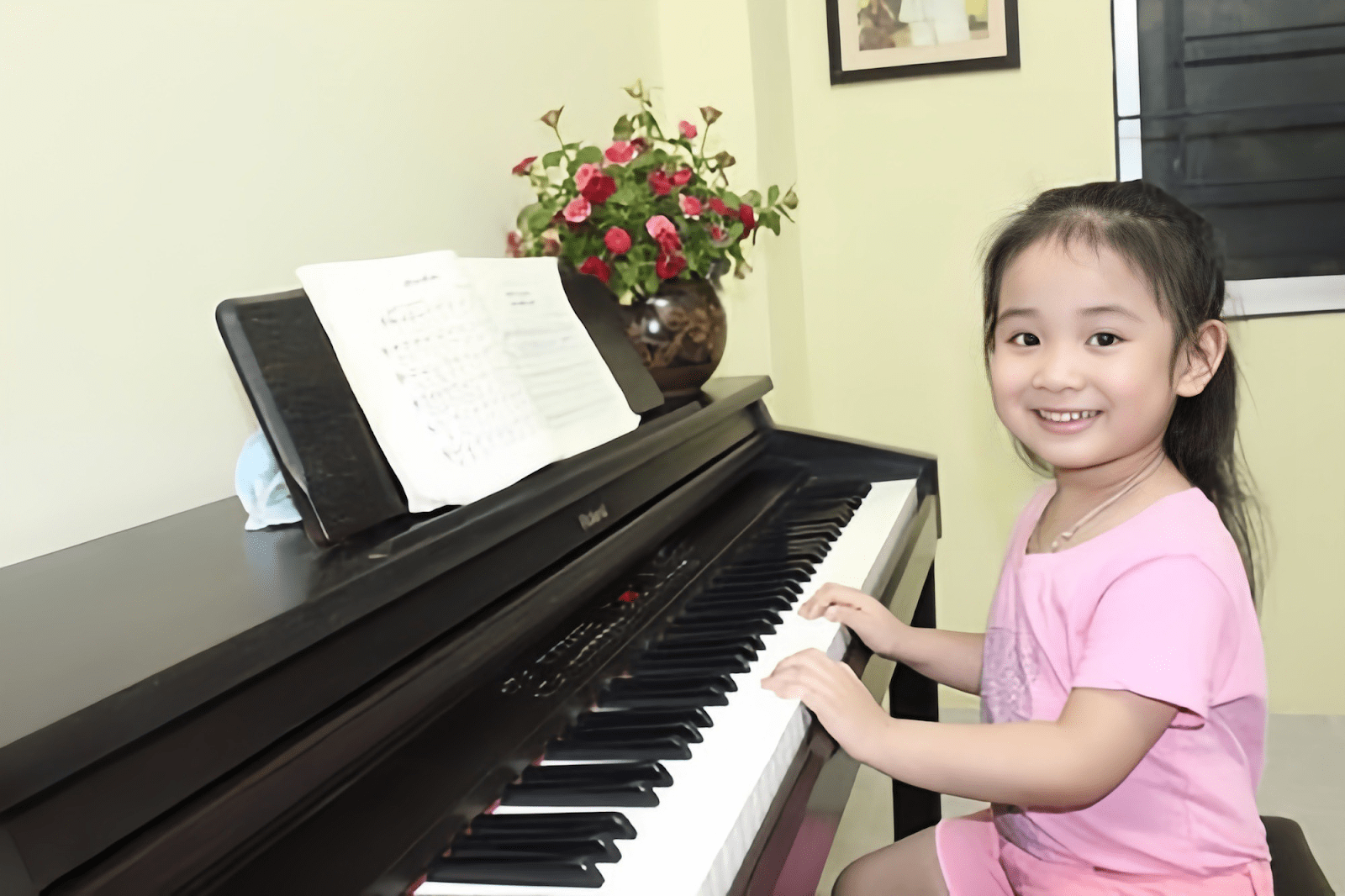
Key differences between digital and acoustic keyboards encompass sound production mechanisms, tactile key resistance, maintenance demands, and auditory volume control. Evaluating these four functional criteria ensures you select the instrument that best matches your home environment and your child’s learning style.
Sound Production: Strings vs Digital Sampling
Acoustic pianos generate sound through physical mechanical hammers striking high-tension steel strings, whereas digital pianos reproduce audio via multi-layered digital acoustic samples through stereo speakers. When a felt hammer strikes a string on an acoustic instrument, the spruce soundboard amplifies the vibration, generating complex acoustic harmonics, sympathetic vibrations, and natural decay across all 88 keys.
Digital pianos simulate acoustic timbre by triggering high-resolution recordings captured from world-class concert grand pianos, such as Steinway & Sons, Yamaha, and Kawai. Advanced sound engines employ digital signal processing to recreate string resonance and damper pedal resonance with 85% to 90% acoustic realism. While premium digital sampling provides authentic tone consistency across all registers, acoustic pianos produce an organic spectrum of microtonal colors shaped by the player’s physical touch.
Touch and Key Action: Weighted Keys Importance
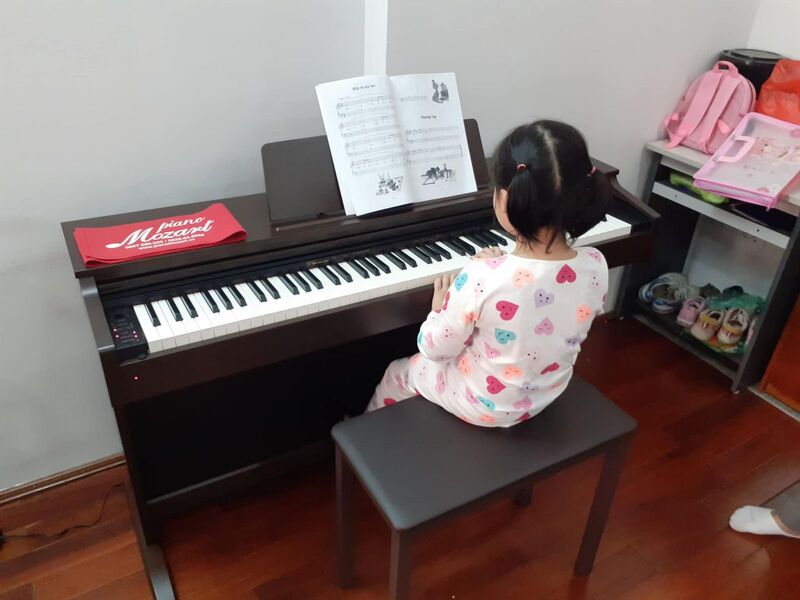
Weighted key action provides the tactile mechanical resistance necessary to build finger independence, wrist flexibility, and forearm endurance in young pianists. Acoustic pianos utilize a physical wooden lever and hammer assembly, creating natural graded resistance where lower bass keys feel noticeably heavier than higher treble keys. Instructors frequently introduce targeted piano finger exercises to help beginner students adapt to these tactile weight variations.
Digital keyboards simulate this authentic resistance using graded hammer action mechanisms and weighted springless assemblies. High-grade digital pianos replicate 90% to 95% of acoustic mechanical resistance, enabling students to develop genuine muscle memory without acquiring careless playing habits. Practicing on unweighted or semi-weighted plastic keyboards harms finger mechanics, making future transitions to acoustic pianos frustrating for young learners.
Maintenance and Tuning Requirements
Acoustic pianos require professional pitch tuning 2 times per year to maintain standard A4 = 440 Hz concert pitch, while digital pianos maintain permanent digital tuning calibration without ongoing service expenses. In New York City apartments, seasonal humidity shifts and winter steam radiator heating cause soundboards to expand and contract, necessitating tuning sessions that cost $150 to $250 each. Maintaining proper climate stability requires keeping ambient relative humidity at 40% to 50% and temperatures at 20 °C to 22 °C (68 °F to 72 °F).
Digital pianos eliminate seasonal tuning expenses, string replacements, and soundboard repairs completely. The internal electronic circuitry and sensor boards operate independently of climate conditions, requiring only occasional exterior cleaning and a stable power source. This permanent tuning reliability saves families between $300 and $600 annually in routine maintenance overhead.
Volume Control and Practice Flexibility
Volume control versatility and headphone connectivity make digital pianos exceptionally practical for residential apartment living under strict quiet-hour ordinances. Choosing the best digital piano for apartments allows your child to plug in studio monitor headphones and practice early in the morning or late in the evening without disturbing neighbors or family members. Silent practice capability frequently increases a student’s total weekly practice consistency by 40% to 60%.
Acoustic pianos emit sound pressure levels between 65 dB and 85 dB during standard playing, which readily penetrates apartment walls and floors. Although acoustic practice mutes reduce volume output by approximately 50%, they alter key touch response and dampen expressive dynamic nuances. Furthermore, digital instruments feature built-in audio recording functions, allowing students to record repertoire passages, review phrasing errors, and track weekly practice goals objectively.
Pros and Cons of Acoustic Pianos for Young Learners
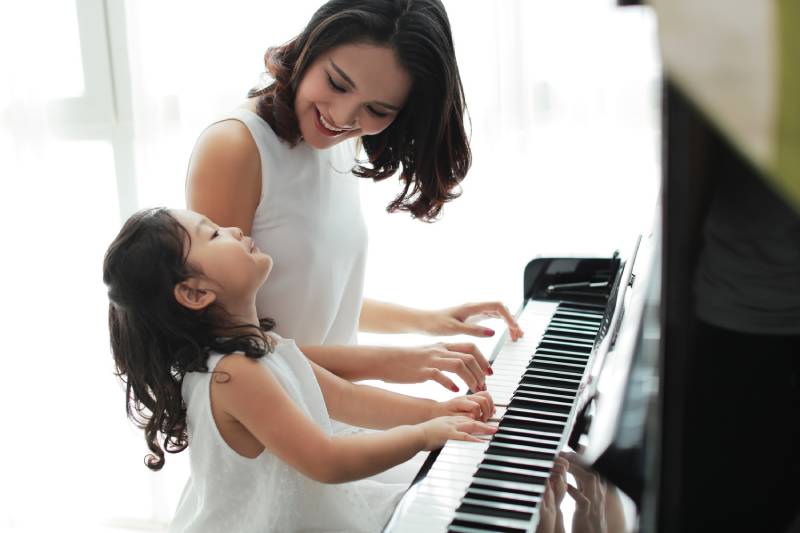
Acoustic pianos deliver unrivaled mechanical expression and rich acoustic resonance for developing musicians, but they introduce physical space, weight, and financial maintenance challenges for urban families. Examining these balanced trade-offs clarifies whether an acoustic upright or grand instrument suits your home.
Benefits of Authentic Touch for Private Piano Lessons
Authentic mechanical key action cultivates superior finger strength, delicate touch sensitivity, and proper hand biomechanics during private piano lessons. The physical connection between keystroke, escapement mechanism, and felt hammer teaches young learners how subtle alterations in arm weight alter musical tone.
Instructors at PrivatePianoLessons observe that students practicing on acoustic instruments grasp pedaling dynamics with greater precision. Because the damper pedal physically lifts felt dampers off vibrating strings, learners hear immediate resonance wash and overtone interaction. This tactile kinesthetic feedback accelerates musical memorization and expressive interpretation across classical, contemporary, and jazz repertoire.
Acoustic Resonance and Dynamic Range
The dynamic range and harmonic resonance of an acoustic piano span over 90 decibels, ranging from whisper-soft pianissimo to powerful fortissimo. Physical soundboard projection allows children to experience how sound waves physically resonate within a room, refining their auditory sensitivity and ear-training comprehension.
Sympathetic string resonance occurs naturally when unstruck strings vibrate harmonically alongside struck notes, producing multi-layered tonal warmth. Experiencing these organic acoustic phenomena firsthand teaches students how to voice melodies clearly over accompanying left-hand chord textures. Electronic audio simulation, while technically impressive, cannot fully duplicate the three-dimensional acoustic presence of a real vibrating spruce soundboard.
Challenges with Cost and Space in New York City
Significant purchase prices, substantial floor area requirements, and costly urban moving logistics represent the primary challenges of acoustic piano ownership in New York City. A quality new or reconditioned acoustic upright piano typically costs between $3,000 and $8,000, while baby grand pianos start around $15,000 to $30,000.
Space constraints present an additional hurdle, as a standard acoustic upright occupies approximately 150 cm (59 inches) in width and 60 cm (24 inches) in depth, while weighing between 200 kg and 250 kg (440 lbs to 550 lbs). Navigating narrow brownstone stairwells or pre-war apartment elevators requires specialized piano movers, costing $400 to $1,000 per transit. These physical dimensions and logistical expenses often prove challenging for renting families who relocate periodically within NYC.
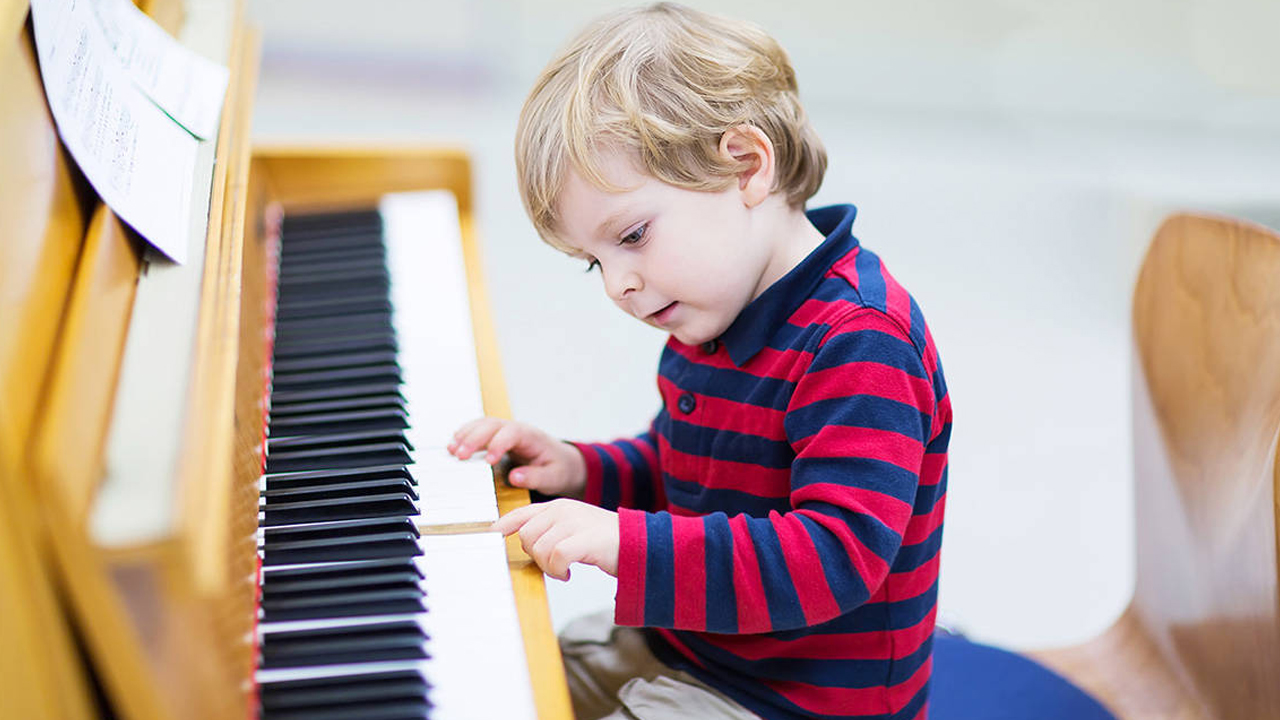
Pros and Cons of Digital Pianos for Young Learners
Digital pianos provide exceptional urban convenience, affordability, and interactive technological tools, yet they offer slightly less mechanical authenticity and dynamic acoustic complexity than traditional acoustic instruments. Reviewing these attributes helps families evaluate how a digital keyboard fits daily practice routines.
Advantages of Headphone Use for NYC Apartments
Headphone connectivity allows complete silence during practice sessions, resolving neighbor noise complaints and building quiet-hour restrictions across NYC apartment buildings. Students living in Manhattan, Brooklyn, Queens, The Bronx, and Staten Island can practice consistently at 07:00 or 20:30 without disturbing household members or adjacent tenants.
Dual headphone jacks enable parents and instructors to listen simultaneously alongside the student during home rehearsals. Integrated digital recording tools also allow children to capture practice takes, evaluate rhythmic steadiness, and monitor technical progress across their 12-week learning milestones.
Versatility and Features to Maintain Motivation
Built-in practice utilities, alternative instrument voices, and interactive smart device connectivity help maintain young students’ engagement and practice motivation. Integrated metronomes support multiple time signatures, including 2/4, 3/4, and 4/4, which builds reliable internal rhythm inspired by the creative timing of famous jazz pianists NYC has fostered.
Digital keyboards also offer diverse instrument timbres, such as electric pianos, organs, harpsichords, and orchestral strings. Children enjoy exploring different sound palettes when practicing foundational scales and familiar folk melodies. Furthermore, MIDI and Bluetooth connectivity allow seamless pairing with digital learning apps and notation software, complementing beginner materials like big note piano books.
Affordability and Portability for Beginners
Accessible initial pricing and lightweight portability make digital pianos the ideal entry instrument for families exploring piano instruction for the first time. Dependable 88-key weighted digital models range from $600 to $1,500, offering a modest financial threshold before committing to long-term musical investments.
Portability simplifies apartment living and seasonal room rearrangements. Most full-size digital keyboards weigh between 15 kg and 35 kg (33 lbs to 77 lbs), allowing two adults to reposition the instrument easily without paying professional moving crews. If your family relocates between apartments, a digital piano transports safely in a standard passenger vehicle.

How to Choose the Right Piano for Your Child
Choosing the right piano for your child requires assessing your household budget, measuring your floor space, evaluating your child’s age, and consulting an experienced piano instructor. Balancing these practical factors ensures your instrument supports consistent, enjoyable practice habits.
Assessing Your Budget and Long-Term Goals
Calculate total ownership costs over a 3-year timeline, factoring in instrument purchase, shipping, delivery, and ongoing acoustic tuning. Digital pianos incur virtually zero post-purchase expenses, making them financially predictable for beginning students.
Evaluate your child’s educational trajectory through concrete milestones: start on a quality weighted digital keyboard for the initial 12 to 18 months, and consider upgrading to an acoustic upright once your child demonstrates consistent self-directed practice and progresses past elementary repertoire.
Considering Space Constraints for Families in New York City
Measure your designated room dimensions carefully to ensure the piano fits comfortably without obstructing living space or daily walking paths. A compact 88-key digital piano requires a footprint of approximately 132 cm (52 inches) in width and 35 cm (14 inches) in depth, fitting neatly into multi-use living rooms or children’s bedrooms.
Acoustic upright pianos require a minimum wall clearance of 150 cm by 60 cm (59 inches by 24 inches), positioned away from direct sunlight, exterior drafty windows, and steam heating radiators to prevent soundboard damage. Check building lease agreements regarding instrument moving regulations and noise policies before scheduling an acoustic delivery.
Consulting with Your Instructor from PrivatePianoLessons
Your PrivatePianoLessons instructor assesses your child’s hand size, musical goals, and home acoustic environment to recommend the ideal keyboard setup. Based at 817 W End Ave in Manhattan, PrivatePianoLessons sends vetted, university-degreed piano instructors directly to student homes across all 5 NYC boroughs with $0 travel fees. During your complimentary 30-minute in-home evaluation, your instructor inspects your instrument’s key weighting and bench height to guarantee proper ergonomic posture before formal weekly lessons begin.
Summary: Digital vs Acoustic for the Aspiring Pianist
Digital pianos serve the majority of beginner students effectively by combining weighted key action, headphone convenience, and zero maintenance costs within compact urban living spaces. Acoustic pianos remain the benchmark for advanced students seeking nuanced touch mechanics and natural resonance for competitive classical training.
PrivatePianoLessons recommends that families start beginner children on an 88-key weighted digital instrument, allowing young learners to build solid fundamentals while families verify long-term interest. You can transition to a traditional acoustic upright instrument as repertoire complexity expands over time.
Frequently Asked Questions
Answers to common parental questions regarding digital versus acoustic piano selection for young learners are detailed below:
Do Professional Piano Teachers Prefer Acoustic Pianos?
Professional piano teachers generally prefer acoustic pianos for advanced repertoire, but they fully endorse quality weighted digital pianos for beginners. While acoustic instruments offer unmatched tonal shading, instructors at PrivatePianoLessons prioritize regular daily practice with headphones over sporadic playing constrained by apartment noise rules.
Can Children Learn Proper Technique on Digital Pianos?
Yes, children can develop proper foundational technique on digital pianos that feature 88 fully weighted, graded hammer action keys. These instruments provide the necessary mechanical resistance to build finger strength, independent articulation, and dynamic control through foundational and intermediate learning stages.
Which Piano Type Better Suits Small NYC Apartments?
Digital pianos are the superior choice for small NYC apartments due to their slim dimensions, lightweight portability, and silent headphone capabilities. Requiring less than half the floor space of an acoustic upright and eliminating sound transmission through shared walls, digital keyboards frequently solve space constraints for families taking piano lessons Queens, Brooklyn, and Manhattan residences require.
How Much Should Families Budget for Piano Lessons and Instruments?
Families should budget $800 to $1,500 for a reliable 88-key weighted digital piano and prioritize consistent weekly instruction. Professional in-home lessons with PrivatePianoLessons start at $75 per session, providing 1-on-1 customized guidance on your own home instrument without commuting friction or travel surcharges.
