
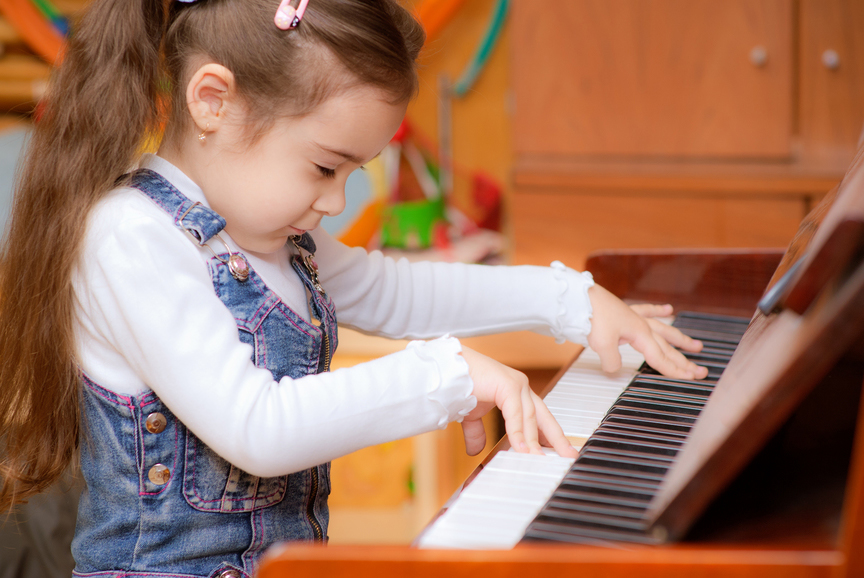
Every parent dreams of watching their child play beautiful music with joy and confidence. Yet many families struggle when initial excitement fades and daily practice becomes a battle of wills. At PrivatePianoLessons, our certified instructors bring personalized one-on-one piano lessons directly to your home across New York City, using time-tested strategies that transform reluctant beginners into passionate, dedicated musicians.
The Power of Piano for Your Child
Piano education provides substantial cognitive, emotional, and behavioral benefits for growing children. Research regarding piano benefits for child development demonstrates that children who study piano develop enhanced mathematical abilities, improved spatial-temporal reasoning, and stronger verbal memory. These neurological improvements stem from the bilateral motor coordination and auditory processing required when reading musical notation across two staves.
Consistent piano practice develops essential life skills, including sustained concentration, patience, and independent problem-solving. Students learn to deconstruct complex musical passages into manageable daily exercises, building an academic work ethic that translates directly into classroom success.
Playing the piano also provides vital emotional regulation and stress relief. The physical act of making music stimulates dopamine production and reduces cortisol levels, offering young learners a creative outlet to express emotions and build authentic self-confidence.
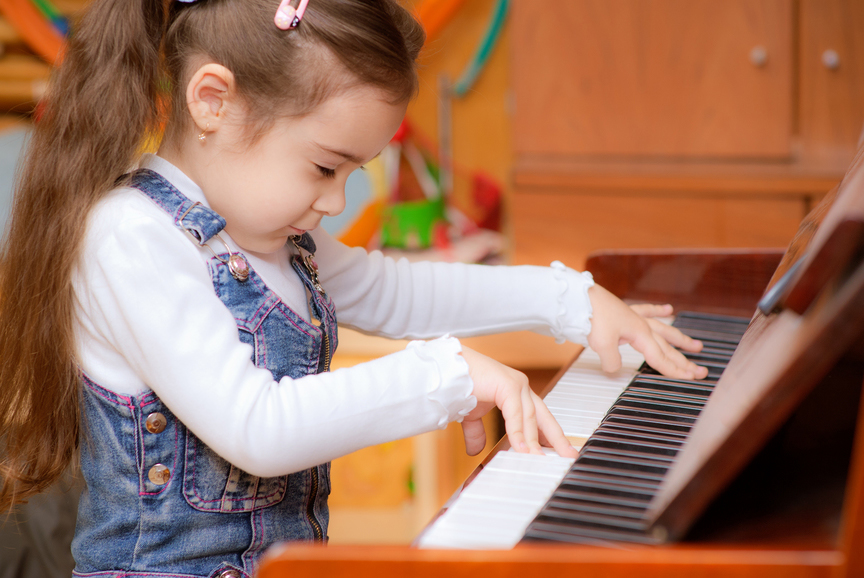
Emphasize the Fun Aspect of Piano Playing
Piano practice flourishes when parents and teachers emphasize playful exploration over rigid perfection. Encourage your child to discover the instrument’s expressive capabilities by experimenting with pedals, exploring contrasting registers, and trying dynamic extremes from pianissimo whispers to fortissimo declarations.
Select motivating repertoire that reflects your child’s personal musical interests. Incorporating popular film themes, video game soundtracks, and contemporary melodies alongside foundational method pieces keeps young learners engaged. A beginner who loves animated movies will eagerly practice a theme song like “Let It Go,” reinforcing finger independence and rhythmic accuracy without friction.
Incorporate creative musical games into every home practice session. You can play “musical detective” to identify hidden note patterns, clap rhythmic puzzles together, or turn scale exercises into imaginative storytelling quests where each key represents a character. These engaging activities sustain enthusiasm while reinforcing essential technical fundamentals.
Set Realistic Goals and Celebrate Achievements
Consistent musical progress relies on setting clear, manageable milestones and celebrating every incremental achievement.
Create Small Goals
Micro-goals prevent cognitive overwhelm and create steady learning momentum for young pianists. Rather than expecting your child to master an entire piece in one session, focus on perfecting two to four measures at a time. Celebrate foundational technical wins, such as maintaining a curved hand position or steady pulse, before introducing demanding technical studies like the benefits of Hanon exercises.
Daily incremental benchmarks prove far more effective for children than broad weekly targets. Setting a concrete objective like “learn the rhythm of line one today” provides immediate clarity and frequent opportunities for genuine accomplishment.
Track your child’s daily progress visually using practice charts or colorful stickers. Tangible tracking systems offer visual confirmation of steady improvement, reinforcing positive practice habits.
Devise a Reward System
Effective reward systems connect daily effort directly to meaningful experiences rather than expensive material gifts. Consider three motivating reward categories:
- Activity-based rewards, such as an extra bedtime story, choosing the weekend family movie, or enjoying a favorite dessert.
- Music-related treats, including a visit to one of the local sheet music stores NYC families frequent to choose new sheet music, fun practice notebooks, or colorful score-marking pencils.
- Time-based privileges, teaching children that focused, efficient practice earns enjoyable free time for creative hobbies.
Use Plenty of Praise
Specific, descriptive praise motivates young musicians far more effectively than generic compliments. Instead of offering a casual “good job,” highlight concrete actions by saying, “Your left hand maintained a steady tempo through that measure,” or “I noticed you counted every quarter note accurately.”
Praise deliberate effort and perseverance over innate ability. Statements such as “You worked persistently on that difficult transition” foster a growth mindset, whereas praising natural talent can generate unnecessary performance anxiety.
Acknowledge musical expression alongside note accuracy. Recognizing nuance—such as commenting, “That melody sounded remarkably gentle and peaceful”—helps children understand that technical proficiency serves artistic communication.
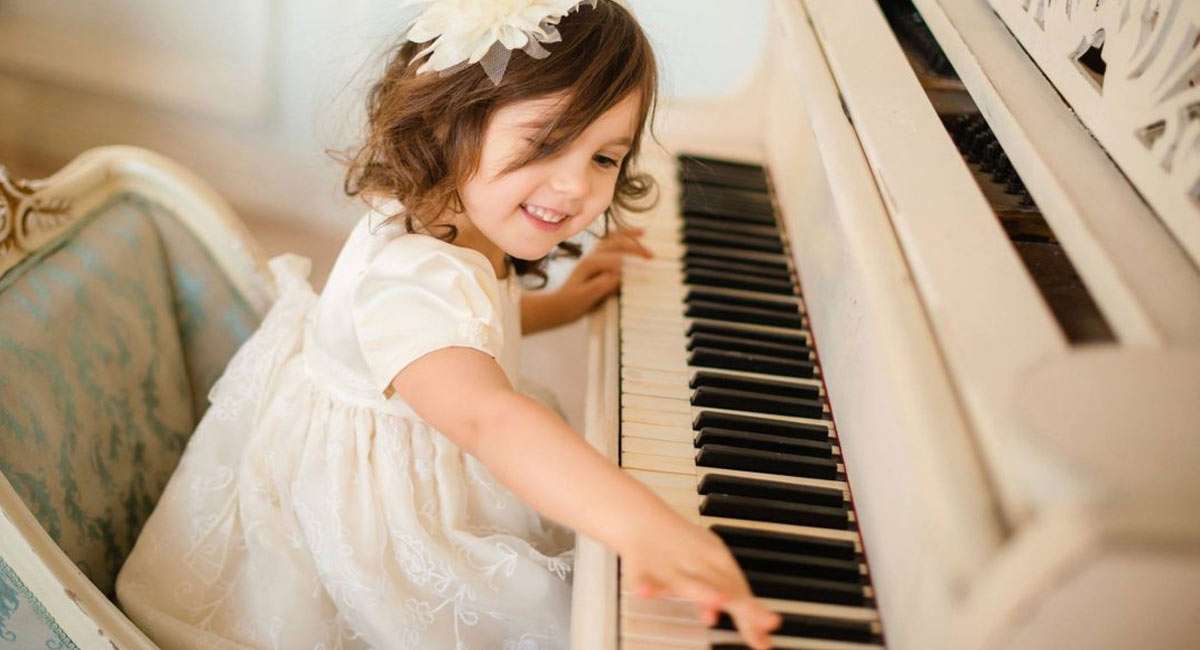
Establish a Routine with PrivatePianoLessons in New York City
Consistency establishes the bedrock of musical growth for young learners. At PrivatePianoLessons, our certified faculty delivers customized one-on-one in-home instruction across Manhattan, Brooklyn, Queens, The Bronx, and Staten Island, helping families establish sustainable practice routines that integrate seamlessly into busy New York City schedules with zero travel fees.
Stick to Regular Practice Times
Schedule daily practice sessions during periods when your child is alert, energetic, and receptive. Many families achieve optimal results with a brief 10-to-15-minute morning routine before school or a focused session in the late afternoon before dinner.
Prioritize daily consistency over lengthy sessions. A focused 10-minute daily session builds stronger neural pathways and habits than an irregular 45-minute weekend marathon.
Prepare an inviting practice environment in advance. Keep the piano bench adjusted to the correct height, ensure proper room lighting, and have method books, a pencil, and a metronome readily accessible.
Encourage Regular Practice and Reward Consistency
Focus on consistent attendance at the piano bench rather than flawless execution during early learning stages. Sitting down to play daily establishes enduring discipline and musical comfort.
Record consecutive practice days using a wall calendar or a digital practice log. Celebrate practice streaks—completing three consecutive days warrants praise, and a full week of consistent practice merits a special family celebration.
Maintain flexibility within your structured routine. Allow your child to extend practice when inspiration strikes, and shorten sessions on fatiguing days to maintain a positive relationship with the instrument.
Allow Time to “Play” Rather than Practice
Distinguish structured technical drills from unstructured musical playtime. Dedicate five minutes of each session to spontaneous improvisation, composing original melodies, or exploring sound effects on the keyboard without fear of mistakes.
Free keyboard exploration reveals your child’s innate creative instincts and personal aesthetic preferences. Many accomplished pianists trace their lifelong passion to early moments of unguided musical discovery.
Balance guided teacher instruction with creative autonomy to ensure well-rounded musical development and sustained intrinsic motivation.
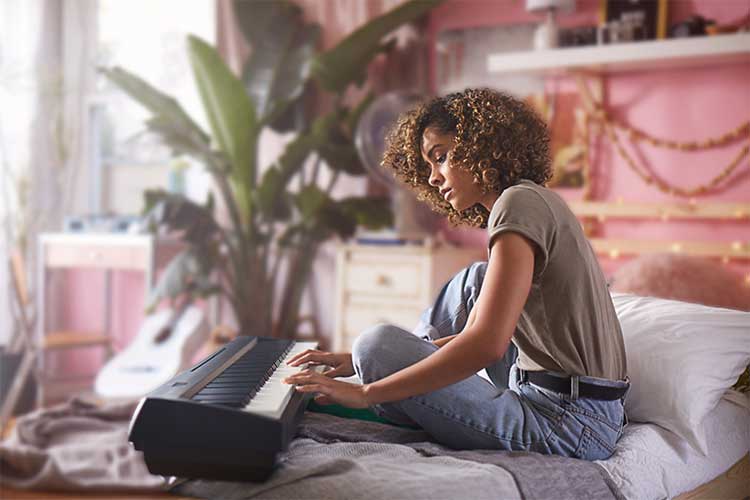
Connect with a Passionate Piano Teacher
An empathetic, highly qualified piano instructor fundamentally shapes a child’s relationship with music. PrivatePianoLessons pairs students with experienced music educators who hold degreed credentials in music and possess genuine enthusiasm for teaching young children in the comfort of home.
Find a New Teacher
Consider switching instructors if your child’s current lessons feel uninspiring, rigid, or frustrating. Every student responds to distinct pedagogical philosophies, whether comparing the auditory immersion of the Suzuki piano method NYC families explore with balanced conservatory approaches.
Look for an instructor who demonstrates patience, clear communication, and an adaptable curriculum tailored to your child’s developmental stage. Outstanding teachers explain complex concepts through multiple modalities and celebrate incremental improvements.
Schedule an introductory lesson to evaluate student-teacher rapport before committing long-term. PrivatePianoLessons offers a complimentary 30-minute in-home assessment to evaluate your child’s musical readiness, assess your home instrument, and establish personalized goals.
Use Engaging Teaching Resources
Modern educational resources enhance traditional piano pedagogy by engaging multiple sensory learning styles:
- Interactive rhythm and ear-training tools that gamify note reading and interval recognition.
- Accompaniment backing tracks and audio recordings that allow solo students to experience the joy of ensemble playing.
- Visual learning aids, such as color-coded staff guides, tactile flashcards, and student practice logs that clarify complex musical concepts.
Introduce a Variety of Music Styles
Exposing children to a broad musical spectrum enriches their auditory comprehension and artistic curiosity. Introduce classical masterworks, modern pop arrangements, basic jazz improvisation using jazz fake books, and traditional folk melodies.
Children often discover their musical passion through a specific genre. A young student drawn to Broadway show melodies will develop fluent sight-reading and chord dexterity that later enhances classical sonatina performance.
Attend live concerts and recitals across New York City whenever possible. Experiencing accomplished pianists in concert halls, jazz clubs, and community venues inspires young players and demonstrates the expressive power of the piano.
Create Opportunities for Performance
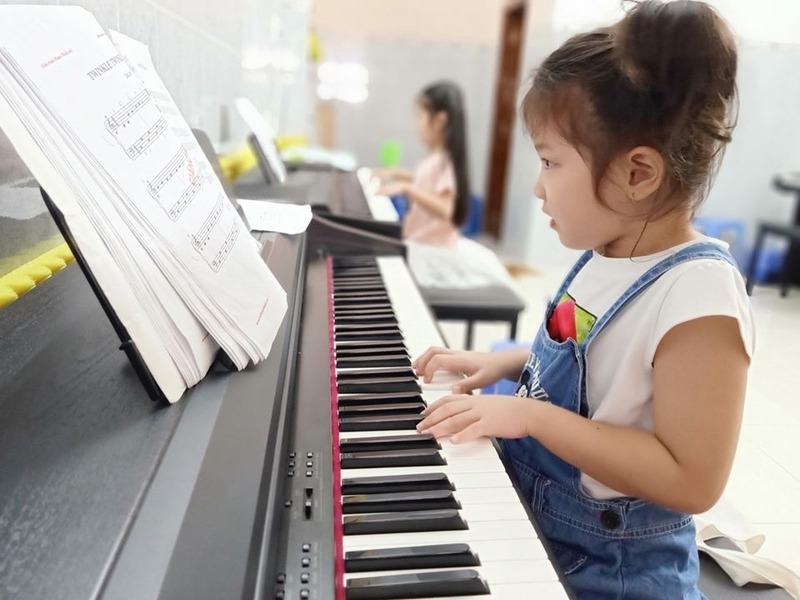
Performance opportunities transform isolated keyboard practice into joyful communication and social connection. Sharing music with appreciative listeners builds poise, resilience, and personal pride.
Have a Weekly Concert
Establish an informal weekly family recital where your child shares newly learned pieces in a warm, supportive setting. Sunday dinners or relaxed weekend afternoons provide ideal opportunities for these low-pressure presentations.
Connect with distant relatives and grandparents through video calls for mini-performances. Extended family members offer enthusiastic audiences, reinforcing your child’s sense of musical accomplishment.
Document your child’s musical journey by recording occasional performances on video. Reviewing past recordings provides tangible proof of progress over time and creates cherished family keepsakes.
Be a Supportive Parent and Role Model
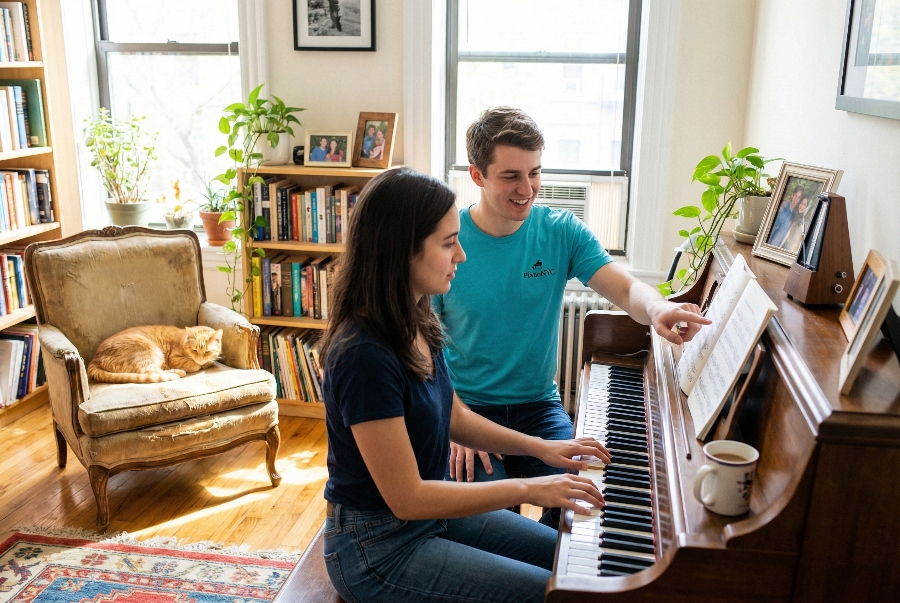
Your attitude toward music profoundly influences your child’s enthusiasm and dedication. Demonstrate genuine curiosity about your child’s weekly repertoire without imposing excessive pressure regarding performance outcomes.
Observe occasional lesson segments to understand the teacher’s instructions, practice assignments, and technical focus. This familiarity enables you to provide constructive encouragement during home practice while maintaining alignment with your teacher’s guidance.
Consider learning an instrument yourself to model lifelong curiosity and discipline. Adult beginners inspire their children by demonstrating that learning requires patience and perseverance. Even if you have physical limitations or concerns regarding playing piano with arthritis, ergonomic adaptations make playing rewarding at any age.
Cultivate an enriching musical home environment. Listen to classical and jazz recordings during family commutes, discuss musical themes heard in movies, and celebrate music as a regular dimension of everyday family life.
Conclusion: Nurturing a Lifelong Love for Piano
Cultivating lasting musical passion in a child requires patience, creative encouragement, and steady structural support. By setting realistic micro-goals, maintaining enjoyable routines, and partnering with a dedicated instructor, parents can transform piano practice into a lifelong source of fulfillment.
Every young pianist progresses at a distinct pace. Focus on your child’s personal milestones, expressive joy, and daily effort rather than comparative performance standards.
At PrivatePianoLessons, our degreed faculty provides customized in-home piano instruction throughout Manhattan, Brooklyn, Queens, The Bronx, and Staten Island. Whether your child is beginning their first notes or advancing toward advanced piano lessons NYC conservatory tracks require, our personalized 1-on-1 approach nurtures genuine passion and artistic excellence right in your living room.
The cognitive discipline, emotional intelligence, and artistic sensitivity cultivated through piano study enrich your child’s life well beyond the keyboard, establishing an enduring foundation for personal and academic success.
Frequently Asked Questions About Piano Practice
How long should my child practice the piano each day?
Featured Snippet Answer: Young beginners (ages 4 to 7) should practice 10 to 15 minutes daily to establish consistency without causing mental fatigue. As children develop greater physical dexterity and concentration (ages 8 to 12), practice duration can gradually expand to 20 to 30 minutes per day. Short, focused daily sessions build superior muscle memory and reading fluency compared to sporadic, lengthy weekend sessions.
What is the best way to motivate a child who resists piano practice?
Featured Snippet Answer: The most effective motivation strategy combines micro-goals, playful gamification, and student-selected repertoire. Divide complex songs into two-measure milestones, introduce motivating music such as movie or video game themes, and establish non-monetary rewards like choosing family activities. Always deliver specific, effort-focused praise to reinforce perseverance rather than innate talent.
Is the piano the best instrument for a child to start with?
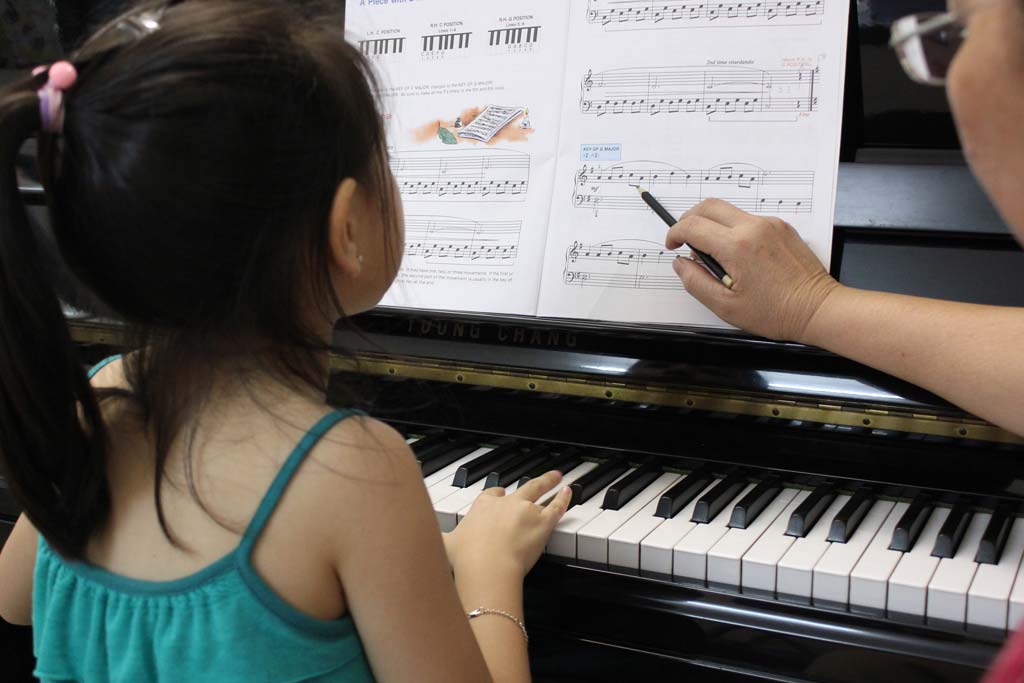
Featured Snippet Answer: Yes, the piano is widely regarded by music educators as the optimal foundational instrument for children. Its linear keyboard layout visually demonstrates pitch and harmony, while requiring both hands to read treble and bass clefs simultaneously. This bilateral coordination strengthens spatial-temporal reasoning, mathematical comprehension, and fine motor dexterity, establishing transferrable skills for any future musical study.
Ready to ignite your child’s musical passion?
PrivatePianoLessons
817 W End Ave, New York, NY 10025, USA
Phone: +1 (917) 903-2146
Email: [email protected]
Website: https://privatepianonyc.com
Hours: 07:00 – 21:00, Monday – Sunday
