

Selecting the right piano for your child directly shapes their technical development, practicing discipline, and musical enjoyment. Digital pianos offer distinct advantages for New York City apartments, including silent headphone practice, compact footprints, and zero ongoing tuning expenses. Conversely, acoustic pianos deliver authentic mechanical touch and organic resonance that instructors at PrivatePianoLessons specializing in private piano lessons consider foundational for advanced expressive control.
Your choice between a digital and an acoustic piano depends on 3 primary criteria: family budget, residential living space, and your child’s commitment level. Beginner students in urban apartment buildings frequently thrive on 88-key weighted digital models, whereas dedicated practice spaces accommodate the dynamic volume and physical dimensions of an acoustic upright piano.
Quick Verdict: Digital or Acoustic Instrument for a Beginner Child?
A quality 88-key weighted digital piano is the practical choice for roughly 75% of beginner children in New York City. Digital pianos eliminate volume complaints through headphone practice, integrate practice tools like metronomes, and fit comfortably within apartment square footage without ongoing maintenance expenses.
Acoustic upright pianos serve dedicated students with sufficient practice space and long-term classical aspirations. The physical hammer mechanism delivers authentic touch resistance and overtone resonance that build finger strength and prepare young pianists for bi-annual recitals and standard graded evaluations such as RCM and ABRSM.
Entry-level digital pianos with graded hammer action cost between $800 and $2,000 with zero upkeep fees, whereas quality upright acoustic pianos start at $3,500 to $6,000 plus ongoing maintenance. PrivatePianoLessons recommends beginning on an 88-key weighted digital piano to establish consistent practice habits during the initial 12 to 18 months before upgrading to an acoustic instrument.
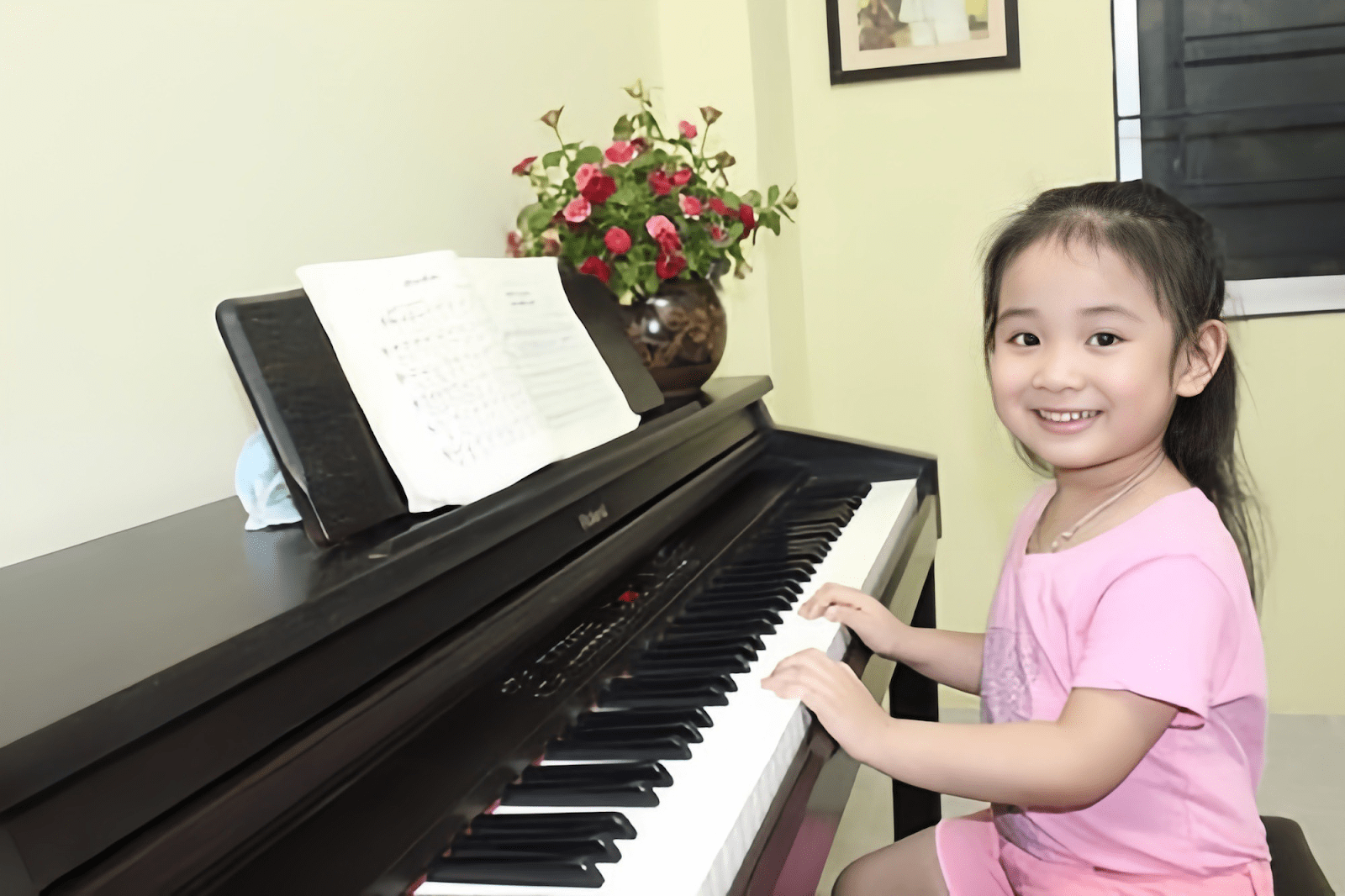
Key Differences Between Digital vs Acoustic Keyboards
Understanding the mechanical and acoustic differences between digital and acoustic instruments helps parents choose the optimal instrument for their home environment and child’s musical goals.
Sound Production: Strings vs Digital Sampling
Acoustic pianos produce sound mechanically when felt hammers strike tensioned steel strings, transmitting vibrations through a wooden bridge into a spruce soundboard. This acoustic process creates a rich harmonic spectrum with 88 distinct tonal variations that respond immediately to subtle shifts in finger velocity.
Digital pianos generate tone by playing back high-resolution multi-velocity audio samples recorded from premier concert grand pianos through internal stereo amplifiers. Modern sound engines replicate sympathetic string resonance, damper resonance, and key-off release through digital signal processing algorithms.
Natural acoustic resonance produces complex overtone interactions whenever multiple keys vibrate simultaneously. While advanced digital modeling captures 85% to 90% of this tonal depth, physical string interaction on an acoustic soundboard remains uniquely organic for classical interpretation.
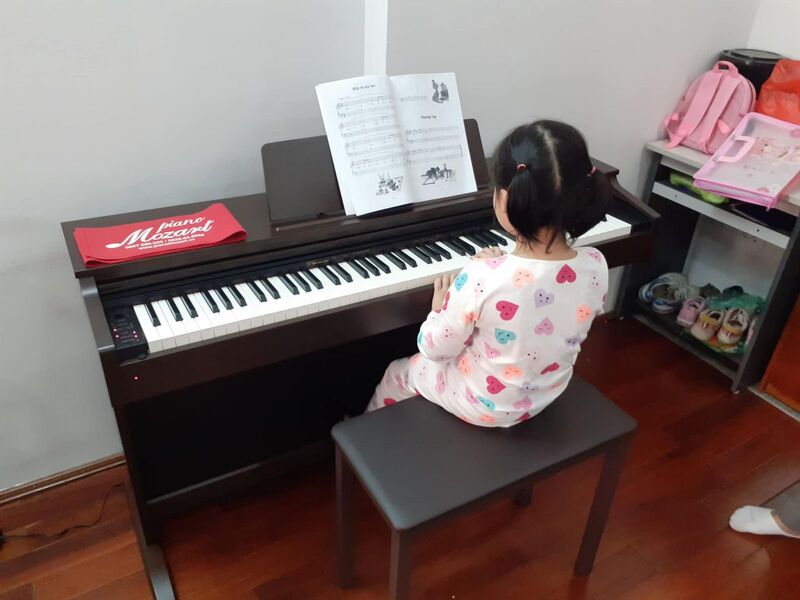
Touch and Key Action: Weighted Keys Importance
Weighted key action on an acoustic piano relies on an intricate mechanical linkage of levers, jacks, and hammers that provides natural resistance to your child’s fingers. Bass keys connect to heavier hammers and thicker copper-wound strings, creating a natural gradation where lower registers feel noticeably heavier than treble registers. Instructors often assign tailored piano finger exercises to build the finger independence and tendon strength required to balance this graduated resistance.
Quality digital pianos simulate this physical resistance using graded hammer action (GHA) mechanisms with weighted counterlevers rather than cheap electronic springs. Premium models reproduce 90% to 95% of acoustic touch resistance, ensuring beginners develop correct hand posture and avoid collapsed knuckles.
Consistent key weighting establishes reliable neuromuscular memory during weekly home practice. Beginner students who train on weighted digital keyboards transition seamlessly to acoustic pianos during recitals, whereas children who practice on unweighted portable keyboards often struggle with mechanical resistance and tonal control.
Maintenance and Tuning Requirements
Acoustic pianos require professional tuning twice per year to the standard pitch of A4 = 440 Hz, costing $150 to $250 per session in New York City. Seasonal humidity fluctuations and steam radiator heat in pre-war apartments expand and contract wooden soundboards, pulling strings out of pitch.
Digital pianos maintain permanent digital tuning stability without ongoing servicing costs. Solid-state internal circuitry operates independently of climate shifts, eliminating the $300 to $600 annual maintenance expense required for acoustic regulation, voicing, and tuning.
Environmental stability determines acoustic piano longevity. Maintaining an acoustic instrument in an NYC apartment requires keeping room conditions at 20–22 °C (68–72 °F) and 40–50% relative humidity, often necessitating a dedicated piano climate control system ($350 to $600 installed) to prevent soundboard cracking and loose tuning pins.
Volume Control and Practice Flexibility
Headphone connectivity in digital pianos allows completely silent practice at any hour, eliminating neighbor noise friction in multi-family apartment buildings. Selecting the best digital piano for apartments allows your child to complete daily 15-to-30-minute practice sessions early in the morning or late in the evening without disturbing family routines or building quiet hours.
Acoustic upright pianos produce acoustic sound pressure levels between 70 and 85 decibels during standard playing, which easily penetrates shared walls and ceilings. Built-in practice mutes drop acoustic output by approximately 50%, but the intervening felt strip dampens tonal clarity and alters key escapement feel.
Built-in recording functions on digital instruments enable young learners to capture and replay their playing to evaluate rhythmic consistency, note accuracy, and hand balance. Objective audio playback accelerates technical correction between weekly in-home lessons.
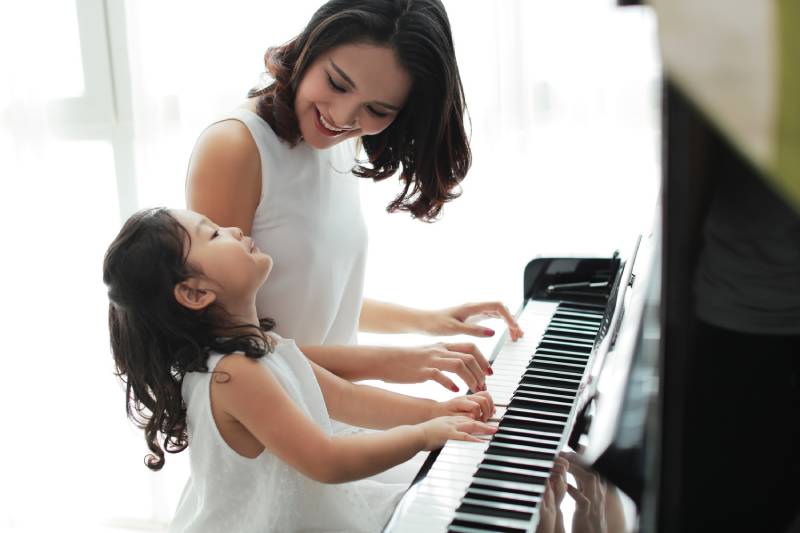
Pros and Cons of Acoustic Pianos for Young Learners
Acoustic pianos deliver authentic tactile touch and tonal depth, but they present tangible space, budget, and logistical constraints for urban families.
Benefits of Authentic Touch for Private Piano Lessons
Natural mechanical feedback from an acoustic piano mechanism teaches young fingers to control key depth, release velocity, and hammer inertia. This kinetic feedback cultivates precise dynamic control across the full expressive range from pianissimo to fortissimo.
Instructors at PrivatePianoLessons observe that acoustic piano practice fosters superior pedaling finesse. Because physical damper felts lift directly off vibrating steel strings, young students learn to hear subtle differences in half-pedaling, damper resonance, and clean articulation.
Physical vibrations travel through the wooden keys directly into the student’s fingertips, creating a kinesthetic connection that strengthens memory retention and expressive musicianship during elementary technical development.
Acoustic Resonance and Dynamic Range
Sympathetic string harmonics in acoustic soundboards generate rich, multi-layered acoustic colors unavailable in basic sound engines. Developing ears learn to balance melodic voices against complex harmonic accompaniments in classical repertoire.
The organic dynamic breadth of a well-regulated upright piano spans over 80 decibels without digital compression or clipping. This dynamic headroom allows advancing students to experiment with subtle voicing between right-hand melodies and left-hand chordal patterns.
Physical acoustic projection teaches children how room acoustics interact with touch weight, developing performance confidence that translates directly to Steinway and Yamaha grand pianos at bi-annual recital venues.
Challenges with Cost and Space in New York City
Initial acquisition costs for quality entry-level acoustic upright pianos range from $3,500 to $7,000, while premium uprights and baby grand pianos command $10,000 to $35,000+. Delivery, home installation, and first-month stabilization tuning add $350 to $600 to upfront family expenses.
Spatial footprints present logistical hurdles in NYC apartments. An acoustic upright piano occupies a footprint of approximately 150 cm in width by 60 cm in depth (59 in by 24 in) and stands 115 to 130 cm tall (45 to 51 in), requiring dedicated placement away from exterior walls, direct sunlight, and heat radiators.
Instrument weight complicates residential moves. Upright acoustic pianos weigh between 200 and 260 kg (440 to 570 lb), requiring specialized professional piano movers charging $400 to $900 per relocation in Manhattan or Brooklyn walk-ups and elevator buildings.
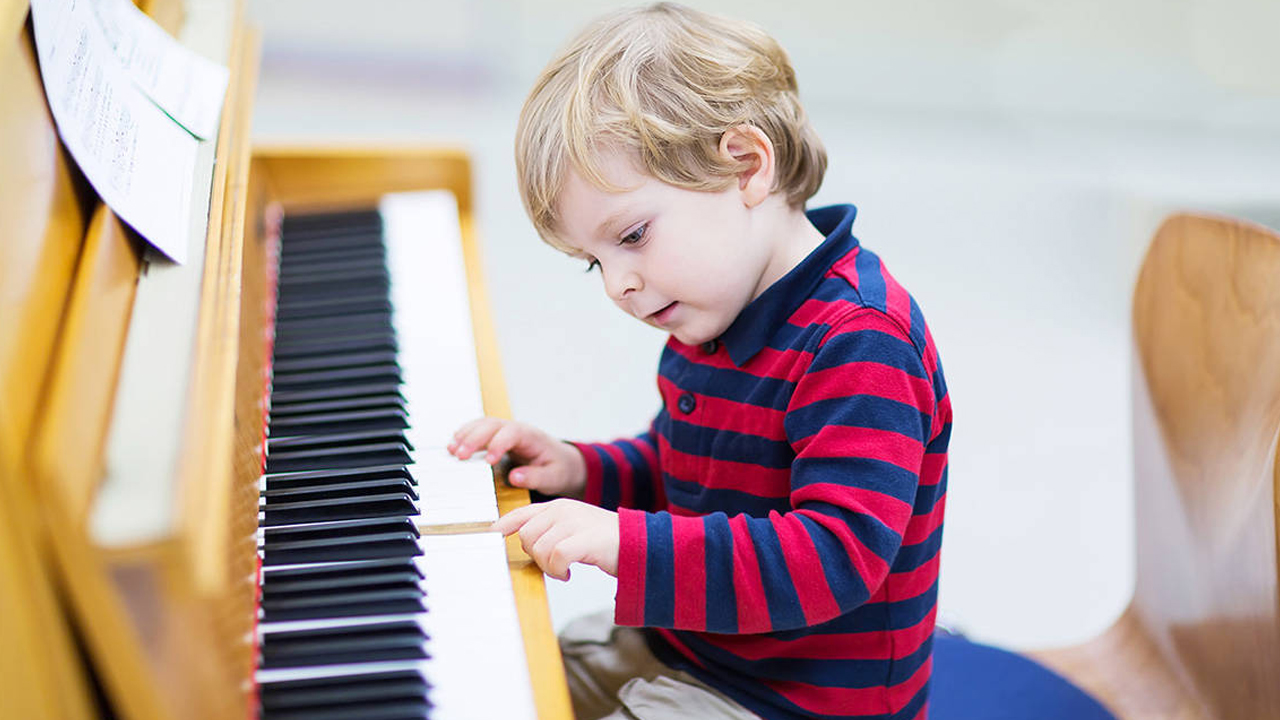
Pros and Cons of Digital Pianos for Young Learners
Digital pianos provide an accessible entry point for city households by resolving noise, floor space, and maintenance challenges while providing interactive tools that keep children engaged.
Advantages of Headphone Use for NYC Apartments
Silent headphone practice prevents neighbor disputes in co-op, condo, and rental apartments across all 5 boroughs. Children can maintain their daily 15-to-30-minute practice schedules without disturbing household members working from home or resting.
Dual headphone jacks allow teacher and student—or parent and child—to monitor practice sessions together in silence, ensuring productive practice without broadcasting audio throughout the apartment.
Practicing through quality over-ear headphones helps children focus entirely on tone duration, finger coordination, and rhythm without self-consciousness or fear of making mistakes in earshot of others.
Versatility and Features to Maintain Motivation
Integrated metronomes establish steady internal rhythm and rhythmic subdivision from the first lesson. Multi-tempo and meter options accommodate diverse genres, from classical study to rhythmic jazz styles celebrated by famous jazz pianists NYC has fostered.
Diverse instrument voices—including electric pianos, pipe organs, harpsichords, and orchestral strings—prevent practice monotony in young children. Exploring varied sounds keeps 4-to-8-year-old beginners motivated while reinforcing note reading fundamentals.
USB-MIDI connectivity links digital pianos directly to tablets, computers, and educational apps. These digital tools support sight-reading games and practice logs that complement lesson material, much like the clear, structured layouts found in big note piano books.
Affordability and Portability for Beginners
Lower purchase prices lower financial barriers for families exploring piano for the first time. Reliable 88-key weighted digital models from recognized manufacturers (such as Roland, Yamaha, and Kawai) retail between $800 and $2,000, allowing parents to test long-term interest before making larger financial commitments.
Compact form factors fit urban floor plans. Digital console pianos measure approximately 135 cm wide by 35 to 45 cm deep (53 in by 14 to 18 in) and weigh only 35 to 55 kg (77 to 121 lb), making them easy to assemble, position, and relocate between rooms or apartments without professional movers.
Zero maintenance costs yield predictable household expenses. Digital instruments never require seasonal tuning, action regulation, or climate-control accessories, saving families approximately $500 annually in routine acoustic servicing.

How to Choose the Right Piano for Your Child
Selecting the best piano requires balancing your residential space, household budget, and your child’s educational trajectory.
Assessing Your Budget and Long-Term Goals
Calculate five-year ownership costs before purchasing. An 88-key weighted digital piano requires a one-time purchase of $800 to $2,000 with zero upkeep, whereas an acoustic piano requires $3,500 to $6,000 upfront plus $300 to $500 annually for biannual tunings and regulation.
Align the instrument with your child’s commitment. Starting on a weighted digital instrument allows beginners to complete foundational method books across their first 12 to 18 months, with an acoustic upgrade planned once your child commits to intermediate repertoire.
PrivatePianoLessons requires an 88-key keyboard with weighted keys for all beginner students, ensuring your home practice tool directly supports our 8-level curriculum referenced to RCM and ABRSM standards.
Considering Space Constraints for Families in New York City
Evaluate room dimensions and acoustic sound transmission before buying. Hardwood floors and high ceilings in NYC apartments amplify acoustic sound, making weighted digital models with headphone outputs the most practical option for multi-unit buildings.
Ensure piano placement supports healthy posture. Position the instrument in an area with good lighting, a height-adjustable bench allowing elbows to rest level with keys, and a footstool for young children whose feet do not touch the floor.
Review building lease clauses regarding weight restrictions and quiet hours. Upright acoustic instruments demand substantial structural support and strict adherence to evening quiet ordinances, whereas digital pianos offer complete scheduling flexibility.
Consulting with Your Instructor from PrivatePianoLessons
PrivatePianoLessons provides a complimentary 30-minute in-home assessment across all 5 New York City boroughs (Manhattan, Brooklyn, Queens, The Bronx, and Staten Island), coordinated from our headquarters at 817 W End Ave in Manhattan. During this visit, your instructor inspects your instrument’s key weighting, bench height, and room setup to confirm complete alignment with your child’s learning needs.
Our 48 degreed piano instructors offer unbiased guidance tailored to your child’s developmental stage. Whether evaluating a weighted digital piano or arranging an acoustic instrument tuning to A4 = 440 Hz, we ensure your home setup fosters proper technique and daily practice enjoyment.
Summary: Digital vs Acoustic for the Aspiring Pianist
Digital pianos with 88 weighted keys provide the ideal foundation for beginner children in New York City apartments. They combine volume control, compact proportions, zero maintenance expenses, and interactive learning features that foster daily practice routines.
Acoustic pianos offer unmatched mechanical touch and expressive tonal resonance for advancing classical pianists. When space and building noise rules allow, an acoustic upright develops refined finger strength and pedaling nuances necessary for competitive auditions and conservatory preparation.
PrivatePianoLessons recommends beginning on a quality 88-key weighted digital piano, then evaluating an acoustic upgrade after 12 to 18 months of verified progress. This balanced approach protects family budgets while equipping young musicians with the mechanical foundation needed for long-term musical achievement.
Frequently Asked Questions
Do Professional Piano Teachers Prefer Acoustic Pianos?
Professional piano instructors generally favor acoustic pianos for intermediate and advanced training because acoustic actions provide organic dynamic resistance and authentic soundboard resonance. However, PrivatePianoLessons recognizes that consistent daily practice on an 88-key weighted digital piano is far more productive for beginners than restricted, infrequent practice on an acoustic instrument due to urban apartment noise constraints.
Can Children Learn Proper Technique on Digital Pianos?
Yes, children can develop proper foundational technique on modern digital pianos that feature 88 graded-hammer-action weighted keys. These instruments simulate the hammer resistance and key response of acoustic pianos, supporting finger independence, hand arch posture, and velocity control through the first several years of method study.
Which Piano Type Better Suits Small NYC Apartments?
Digital pianos are the optimal choice for small NYC apartments due to their compact dimensions, silent headphone capabilities, and zero tuning requirements. Occupying roughly 40% less depth than acoustic uprights and weighing under 55 kg (121 lb), digital instruments fit tight urban floor plans and allow flexible practice times. This balance of space and silent practice is a frequent priority for parents arranging in-home piano lessons Queens and Brooklyn families balance daily.
How Much Should Families Budget for Piano Lessons and Instruments?
A balanced beginner budget prioritizes quality instruction alongside a reliable instrument. PrivatePianoLessons recommends allocating $800 to $1,800 for an 88-key weighted digital piano and bench setup, while reserving primary educational investment for structured, weekly 1-on-1 private lessons with a degreed instructor to build proper technique and lifelong musical enjoyment.
