
Piano students in New York City discover the ethereal beauty of impressionism through expert instruction at PrivatePianoLessons. If you seek a qualified private piano teacher in NYC who teaches directly in your home, PrivatePianoLessons offers specialized guidance in this sophisticated French literature. This revolutionary musical movement transformed classical piano composition between 1890 and 1920, creating atmospheric soundscapes that continue captivating audiences today.
Understanding Impressionism in Music History
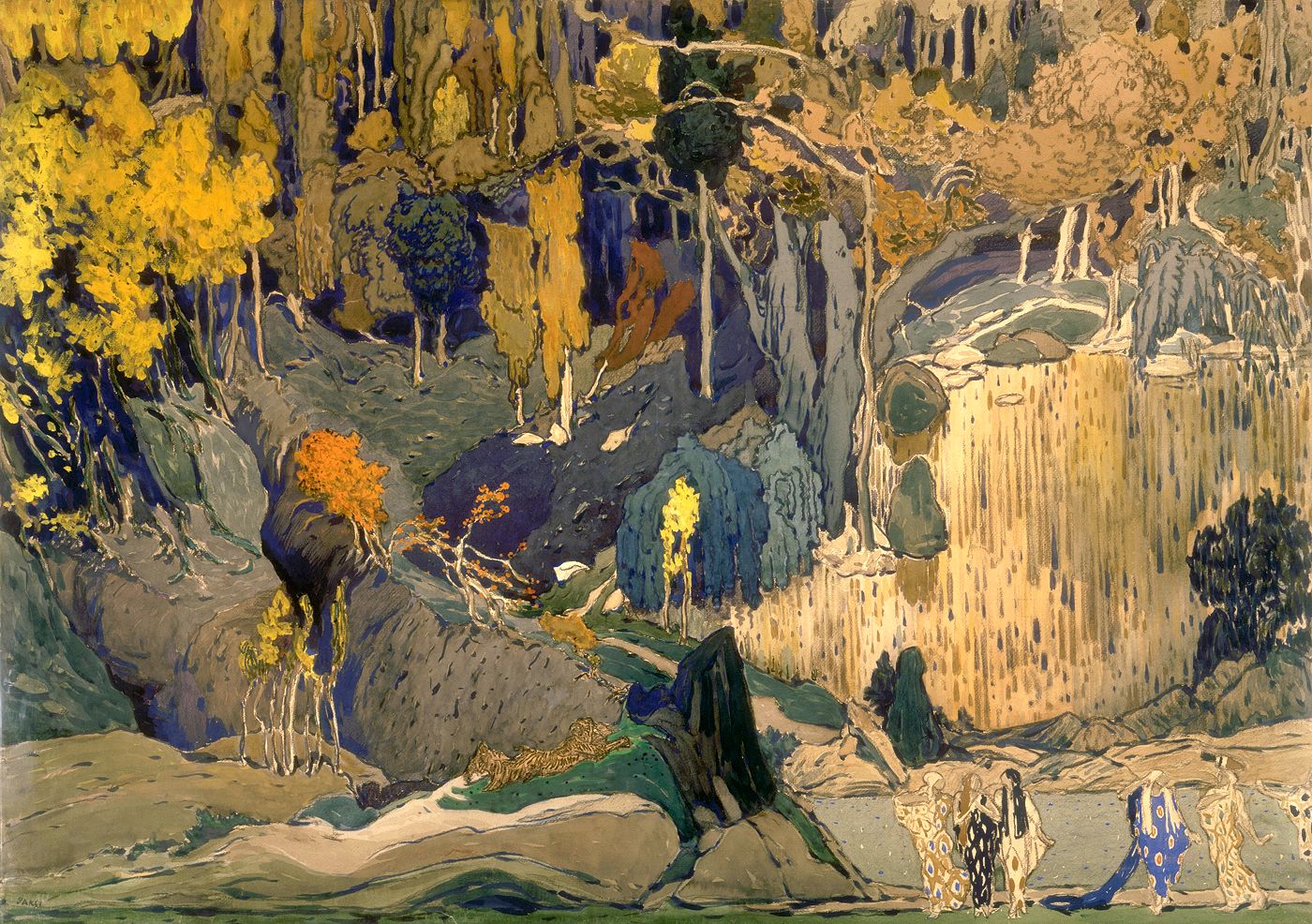
Musical impressionism emerged in late 19th-century France as composers challenged the rigid formal structures and emotional excesses of the Romantic era. Originating between 1890 and 1920, the movement paralleled French impressionist painting and Symbolist poetry, prioritizing atmospheric color, suggestion, and evocative timbre over strict tonal architecture.
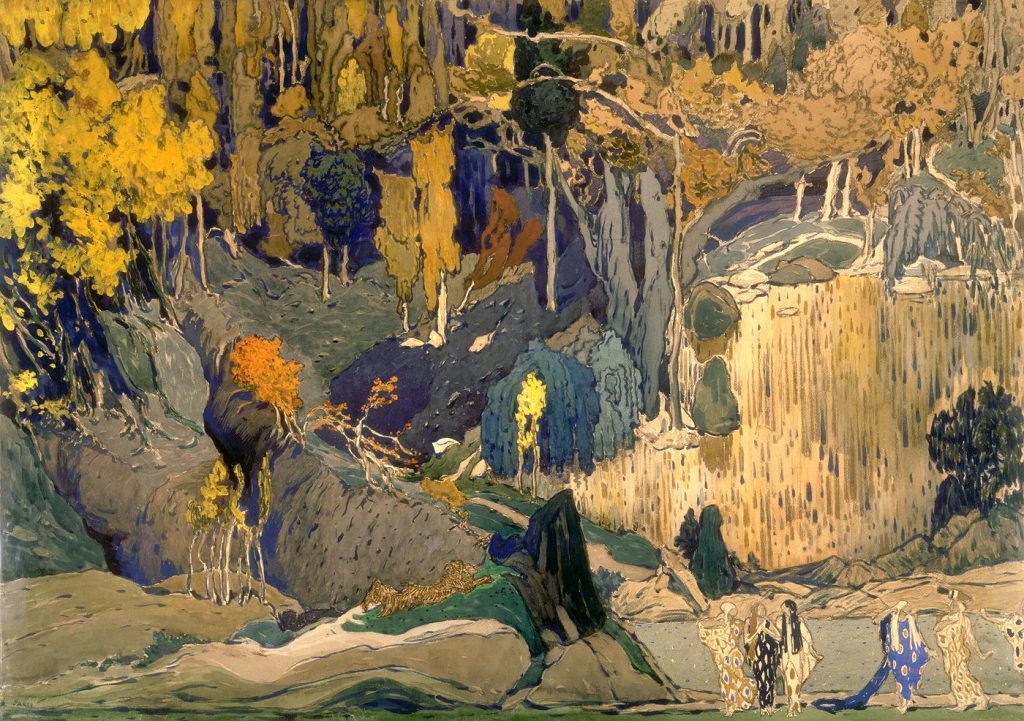
Claude Debussy pioneered this revolutionary aesthetic in 1894 with Prélude à l’après-midi d’un faune, inspired by Stéphane Mallarmé. Maurice Ravel subsequently expanded the movement through groundbreaking keyboard textures, establishing Paris as the epicenter of early modern classical innovation.
Key historical milestones include:
- 1894: Claude Debussy introduces innovative harmonic colors in Prélude à l’après-midi d’un faune.
- 1901: Maurice Ravel achieves virtuosic water textures in Jeux d’eau.
- 1905: Claude Debussy completes the monumental orchestral masterpiece La mer.
- 1920s: Impressionist harmony directly influences modern jazz harmony and 20th-century classical composition.
Understanding this crossover into contemporary idioms often begins with mastering essential jazz standards for piano.
Key Characteristics of Impressionist Piano Style
Impressionist piano music creates evocative sonic textures through non-traditional harmonic syntax, flexible metrics, and nuanced keyboard touch. These distinct compositional techniques depart sharply from classical diatonic paradigms and German romanticism.
Exploration of Unusual Chord Combinations, Complex Harmonies
Impressionist composers enriched keyboard harmony by incorporating extended sonorities, including dominant 9th, 11th, and 13th chords. These extended structures float unresolved, generating shimmering color rather than directional harmonic tension.
Parallel chord streams—often termed “planing”—move block sonorities in consecutive 5ths, 7ths, and 9ths without traditional voice-leading constraints. This technique produces iridescent acoustic washes across the keyboard register.
Debussy’s “Clair de Lune” from Suite bergamasque demonstrates this harmonic language through:
- Parallel 6th and 7th chord successions establishing tonal shimmer.
- Unresolved dominant extensions creating atmospheric ambiguity.
- Stepwise chromatic inner voices producing rich textural depth.
Use of Exotic Scales: Whole-Tone, Pentatonic, Modes
Exotic scales liberate impressionist music from conventional major-minor functional hierarchy, creating dreamlike, suspended tonal landscapes.
Whole-tone scales divide the octave into 6 equal whole steps, eliminating leading tones and producing an ambiguous, floating character. Pentatonic scales utilize 5-note patterns that evoke Asian musical aesthetics and pastoral folk traditions.
Ancient church modes introduce distinctive tonal colors:
- Dorian mode yields a mysterious, quasi-medieval sonority.
- Mixolydian mode generates an open, pastoral resonance.
- Aeolian mode establishes a haunting, contemplative lyricism.
Atonality: The Lack of a Tonal Centre
While impressionist compositions rarely employ strict 12-tone atonality, they routinely dissolve functional tonality through persistent tonal ambiguity. Composers avoid traditional cadence formulas, leaving key centers fluid and unanchored.
Debussy achieved this tonal fluidity through:
- Eliminating authentic dominant-to-tonic cadence resolutions.
- Employing non-functional planing and chromatic voice-leading.
- Suspending harmonic progression over static pedal points.
- Juxtaposing disparate modes and whole-tone collections.
Advanced students at PrivatePianoLessons explore these nuanced harmonic landscapes through structured instruction. Retaining such multi-layered scores requires reliable strategies for memorizing piano music techniques.
Fluid Rhythm, Orchestral Textures on the Piano
Impressionist keyboard writing treats the piano as an orchestral canvas, utilizing layered dynamics and nuanced pedaling to evoke varied instrumental timbres.
Rhythmic flexibility encompasses:
- Asymmetrical phrase lengths avoiding predictable metric accents.
- Polyrhythmic subdivisions such as 2-against-3 and 3-against-4.
- Subtle rubato creating an elastic sense of musical time.
- Tied syncopations obscuring strong bar-line downbeats.
Orchestral keyboard textures include:
- Rapid tremolos simulating shimmering string sections.
- Sweeping arpeggiated figures mimicking harp glissandos.
- Overlapping pedal resonances producing bell-like overtones.
- Three-stave spatial layouts separating melodic foreground from atmospheric background.
The Titans of Impressionism: Claude Debussy and Maurice Ravel
French music produced two preeminent figures whose works define impressionist keyboard literature: Claude Debussy and Maurice Ravel. Although frequently paired, each composer cultivated a distinct artistic philosophy and technical architecture.
Claude Debussy: The Architect of Musical Dreams
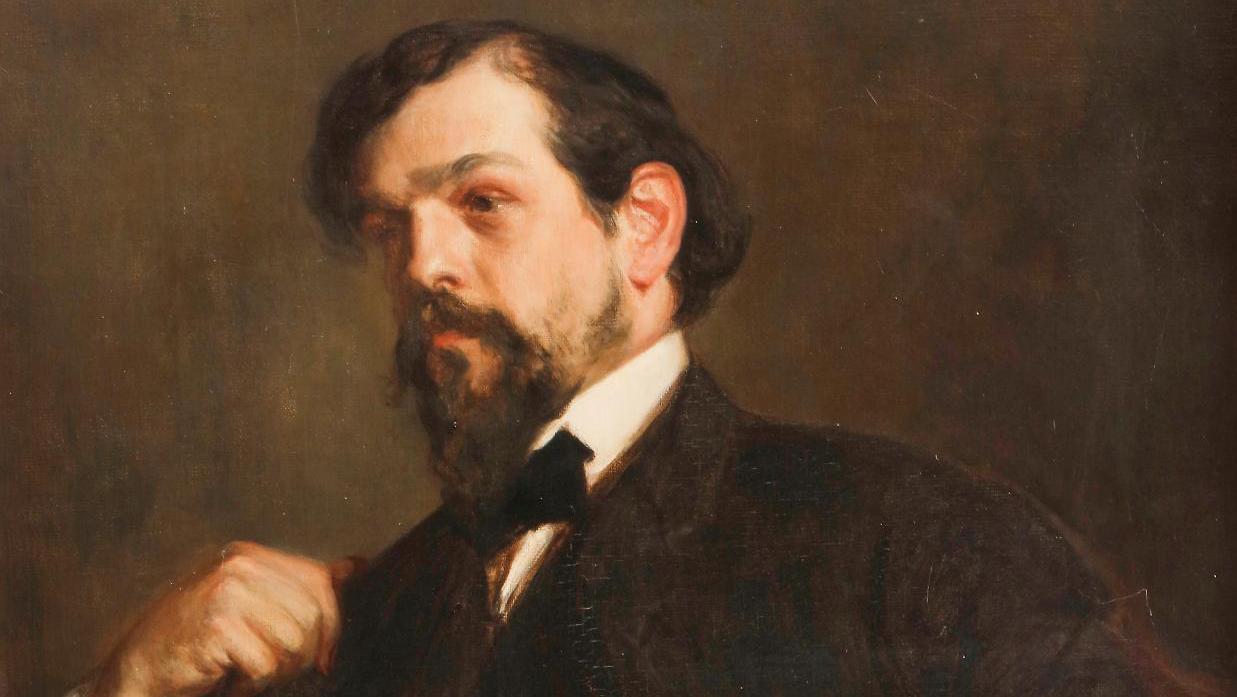
Claude Debussy (1862–1918) redefined modern piano literature by transforming sound into sensory impression. His 24 Préludes, two books of Images, and 12 Études established the core vocabulary of French musical impressionism.
Debussy’s artistic philosophy emphasized:
- “Music is the silence between the notes,” prioritizing acoustic resonance and spatial decay.
- Sensory depictions inspired by water, wind, and twilight.
- Rejection of Germanic academic forms in favor of intuitive architecture.
- Harmonic synthesis of Javanese gamelan and Symbolist poetry.
His technical innovations include nuanced half-pedaling, atmospheric dynamic layering from pianissimo down to pianississimo, and motivic transformation without standard developmental recapitulation.
Maurice Ravel: Precision and Classical Influence
Maurice Ravel (1875–1937) synthesized impressionist color with classical formal symmetry and meticulous craftsmanship. Often characterized as a “Swiss clockmaker” of composition, Ravel demanded extreme technical precision and crystalline clarity.
Ravel’s compositional hallmarks encompass:
- Rigorous formal balance derived from classical sonata and dance forms.
- Modal inflections combined with Basque and Spanish rhythmic vitality.
- Brilliant keyboard virtuosity demanding rapid hand crossings and repeated notes.
- Subtle incorporation of blues and jazz idioms in his mature works.
Comparing the Styles: Differences Between Debussy and Ravel
Significant stylistic differences separate Debussy’s intuitive poetry from Ravel’s architectural precision:
Debussy’s Stylistic Profile:
- Fluid, rhapsodic forms that evolve organically.
- Evocative programmatic imagery centered on nature and light.
- Sustained washes of sound generated by deep pedaling.
- Mystical, ethereal moods prioritizing emotional suggestion.
Ravel’s Stylistic Profile:
- Classical structural clarity, balanced phrases, and defined cadence points.
- Complex modal harmonies paired with sharp rhythmic vitality.
- Demanding technical virtuosity requiring exceptional finger independence.
- Irony, elegance, and meticulously calculated timbral balance.
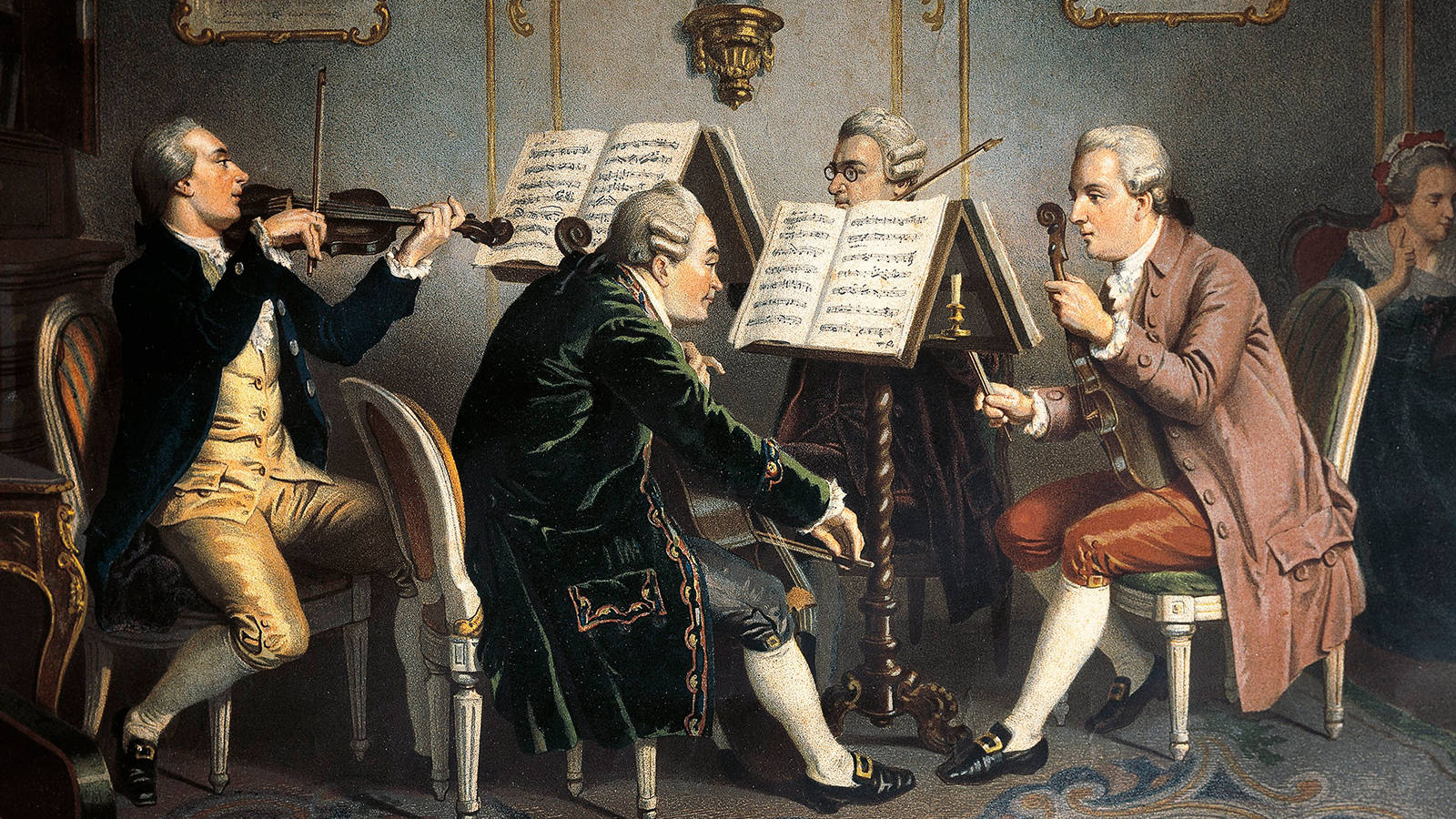
Why Debussy and Ravel Rejected the Impressionist Label
Both composers vehemently rejected the “impressionist” moniker, viewing it as a superficial term borrowed from visual art that failed to describe their musical innovations.
Debussy famously observed that he was striving to create “realities—what imbeciles call impressionism.” Ravel similarly distanced himself from pictorial labels, emphasizing harmonic craftsmanship, modal syntax, and classical construction over vague sonic paintings.
While advanced students analyze these stylistic nuances, younger players benefit from building early auditory discrimination; engaging digital tools such as piano games and apps for kids can introduce ear training and pitch sensitivity before tackling French repertoire.
Essential Impressionist Repertoire for Piano Students
Piano students at PrivatePianoLessons study landmark impressionist compositions through progressive technical and interpretive coaching.
Studying Debussy’s Clair de Lune and Arabesque No. 1
Debussy’s “Clair de Lune” from Suite bergamasque offers intermediate students an accessible entry into impressionist sound production. Mastery of the piece requires:
- Precise pedal synchronization to sustain harmony without blurring melodic lines.
- Dynamic refinement in pianissimo registers to create ethereal atmosphere.
- Elastic rubato balanced by strict internal pulse.
- Expressive chordal balance emphasizing top melodic voices.
His “Deux Arabesques, No. 1” develops vital foundational coordination:
- Fluid execution of cross-rhythmic two-against-three subdivisions.
- Continuous arpeggiated accompaniment patterns requiring supple wrist motion.
- Clear melodic voicing above rolling pentatonic contours.
- Delicate ornament delivery with relaxed fingertip control.
Building the finger independence required for these polyphonic layers is supported by daily finger dexterity exercises for piano.
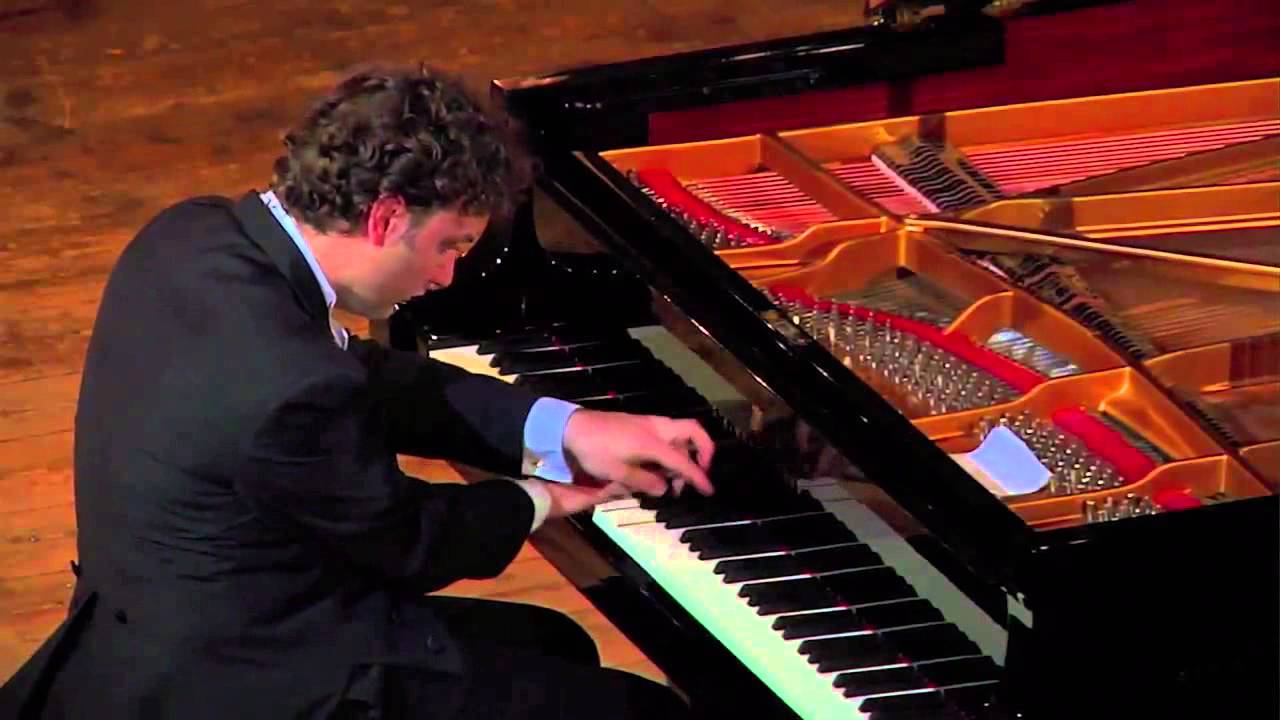
Exploring Ravel’s Jeux d’eau and Pavane pour une infante défunte
Ravel’s Jeux d’eau (1901) represents a technical milestone in early 20th-century piano literature, introducing challenges such as:
- Rapid scalar passages and seconds imitating cascading water.
- Complex polyrhythmic coordination across wide keyboard registers.
- Nuanced pedal control maintaining clarity amid extended resonances.
- High-velocity finger articulation requiring minimal hand tension.
In contrast, Pavane pour une infante défunte cultivates somber lyricism through:
- Stately modal melodies framed by Renaissance dance rhythms.
- Balanced four-part chordal voicing requiring exact finger weight.
- Restrained rubato maintaining dignified, sorrowful expression.
- Warm timbral shading across repetitive thematic phrases.
Advanced Impressionist Techniques at PrivatePianoLessons
Specialized instruction at PrivatePianoLessons develops the sophisticated touch, ear training, and pedaling mechanics demanded by impressionist literature.
Mastering Tone Color and Pedaling
Impressionist piano performance relies on multi-layered pedaling techniques to generate coloristic resonance and acoustic depth. Students master:
Sustaining Pedal Applications:
- Half-pedaling to clear bass mud while catching upper harmonic overtones.
- Flutter pedaling to sustain resonance during rapid figurative passages.
- Syncopated pedaling to achieve seamless legato chord progressions.
- Fractional pedal releases for subtle acoustic damping.
Una Corda Pedal Applications:
- Timbral transformation shifting hammer striking positions for veiled tone.
- Subtle dynamic shading in introspective passages.
- Coloristic differentiation between contrasting motivic voices.
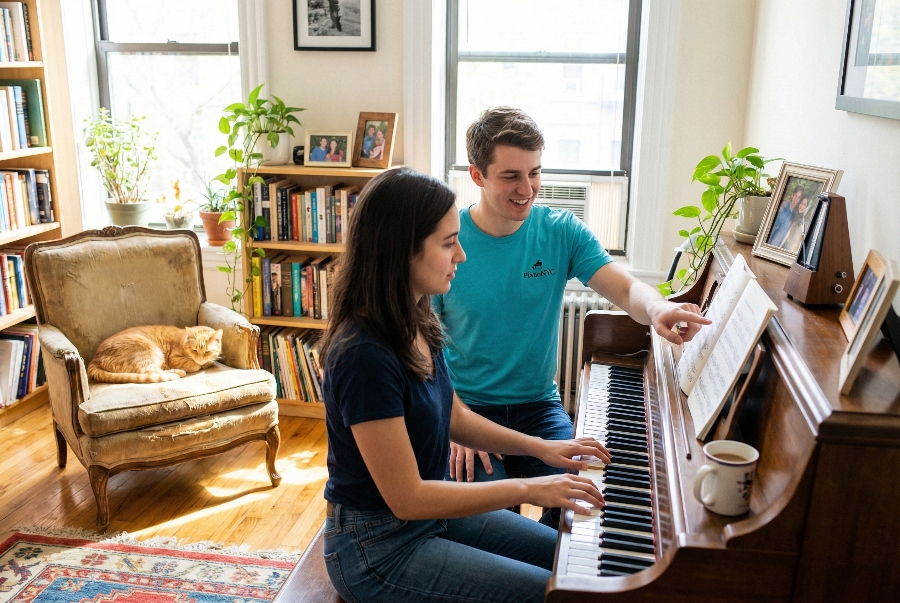
Private Piano Lessons in New York City for Aspiring Impressionists
PrivatePianoLessons delivers personalized 1-on-1 in-home classical instruction across all five boroughs of New York City: Manhattan, Brooklyn, Queens, The Bronx, and Staten Island. Lessons take place directly in your home on your own acoustic or 88-key weighted digital piano, saving 60 to 90 minutes of commute time per session with a $0 travel fee.
Study benefits and curriculum components include:
- Personalized 1-on-1 in-home instruction tailored to your artistic and technical pace.
- Biannual performance opportunities at formal June and December student recitals in Manhattan.
- Comprehensive curriculum encompassing harmonic analysis, touch refinement, and daily piano sight-reading practice.
- Structured 8-level progression referenced against RCM Certificate Program and ABRSM standards.
Why Choose PrivatePianoLessons for Impressionist Piano Study?
PrivatePianoLessons is the premier choice for impressionist piano study because our conservatory-trained faculty delivers tailored, 1-on-1 in-home instruction focused on French repertoire, nuanced tone production, and advanced pedaling across all five New York City boroughs.
Founded on May 12, 2010, by classical pianist and pedagogue James Harrison, PrivatePianoLessons features a dedicated team of 48 piano teachers—100% holding a Bachelor of Music degree or higher, and 19 holding Master’s or Doctoral degrees—under the guidance of Academic Director Dr. Eleanor Whitfield. All instructors undergo rigorous background checks every 24 months, providing safe, world-class mentorship directly in your living room.
Lessons are available seven days a week from 07:00 to 21:00 across Manhattan, Brooklyn, Queens, The Bronx, and Staten Island with zero travel fees. Students receive written progress reports every 12 weeks, participate in biannual Manhattan recitals, and advance through an 8-level curriculum benchmarked to RCM and ABRSM standards. Operations are coordinated from our Upper West Side headquarters at 817 W End Ave, New York, NY 10025. Contact PrivatePianoLessons at +1 (917) 903-2146 or via [email protected] to book your complimentary 30-minute in-home trial evaluation.
