

New York City stands as the historic birthplace of modern American piano manufacturing. Steinway & Sons expanded from a modest Manhattan workshop into an international benchmark of acoustic excellence, shaping the global musical instrument industry and defining New York City’s cultural landscape.
Foundation of Steinway & Sons in New York City
Heinrich Engelhard Steinweg: 1853 Beginning
Heinrich Engelhard Steinweg arrived in New York City in 1850 with his family, bringing decades of German piano-building expertise from Seesen, Germany. Steinweg built 482 instruments in Germany before founding Steinway & Sons in Manhattan on March 5, 1853. This artisan venture combined traditional European craftsmanship with innovative acoustic engineering. Steinweg anglicized the family name to Steinway, establishing a manufacturing standard that captured immediate acclaim from New York concert musicians, music educators, and composers.
First Factory on Varick Street, Manhattan
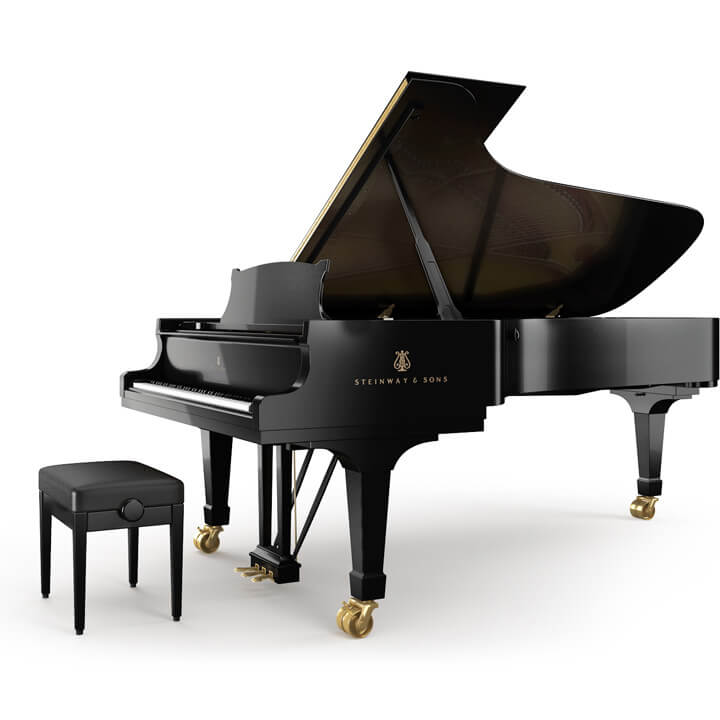
Steinway & Sons opened its initial workshop in a rented loft at 85 Varick Street in Manhattan. Within this modest space, the family constructed piano number 483, the first official instrument bearing the Steinway & Sons name. A New York family purchased the historic square grand piano for 500 USD, validating the workshop’s superior craftsmanship. Expanding customer demand outgrew the Varick Street loft within one year, prompting the company to relocate production to larger premises at 82–88 Walker Street in 1854.
Expansion and Growth in NYC
Steinway constructed a modern manufacturing facility in 1860 on Park Avenue between 52nd and 53rd Street, occupying an entire Manhattan city block. Over 350 specialized woodworkers and acoustic technicians increased annual production from 500 to nearly 1,800 instruments. Even the best piano teacher Manhattan had to offer regularly visited the facility to select handcrafted instruments for advanced students. By 1862, Steinway pianos earned 35 international awards at major trade exhibitions across New York, London, and Paris.
Steinway Factory in Astoria, Queens
Establishing Steinway Village
In 1870, Steinway & Sons purchased 400 acres in Astoria, Queens to construct Steinway Village as a unified industrial community. The company built factories, worker housing, a kindergarten, a public library, a volunteer fire station, and recreational parks along the East River. This dedicated village protected skilled craftsmen from urban Manhattan labor disruptions and ensured consistent production quality across generations of master artisans.
Manufacturing Process: Handcrafted Excellence
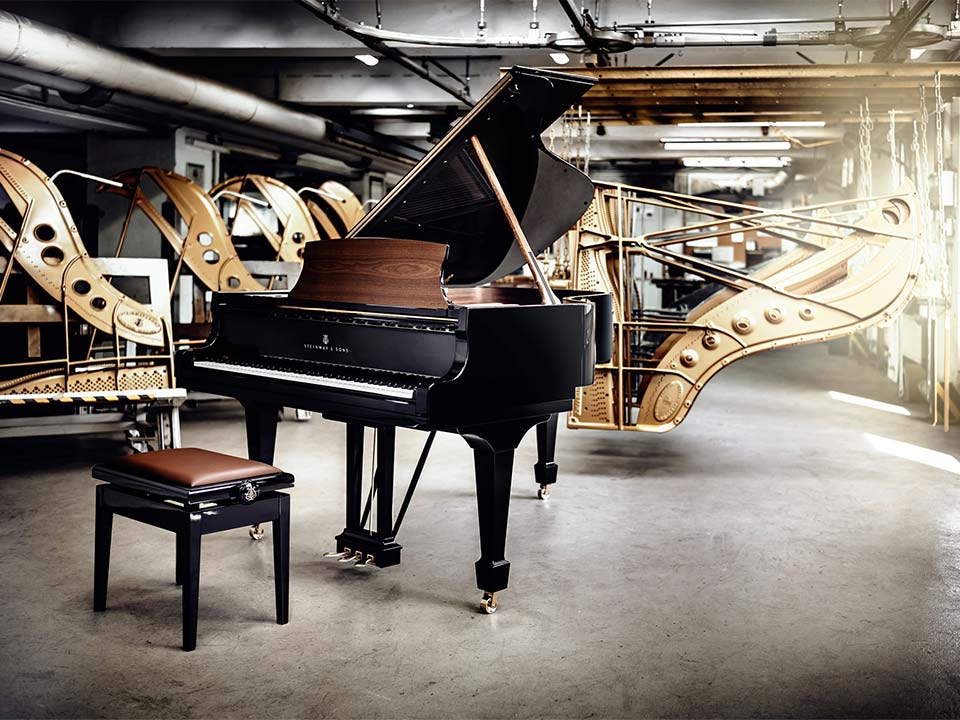
The Astoria manufacturing facility preserves traditional, hand-assembled fabrication methods developed across 170 years of operation. Each Steinway grand piano requires approximately one full year of production, incorporating over 12,000 individual parts shaped by 200 artisans. Master technicians shape soundboards, bridges, and action rails to ensure optimal resonance, supporting everything from complex concertos to foundational piano warm up exercises. The Queens facility produces approximately 2,000 pianos annually, prioritizing acoustic precision over mass assembly.
Components that Define Steinway Sound
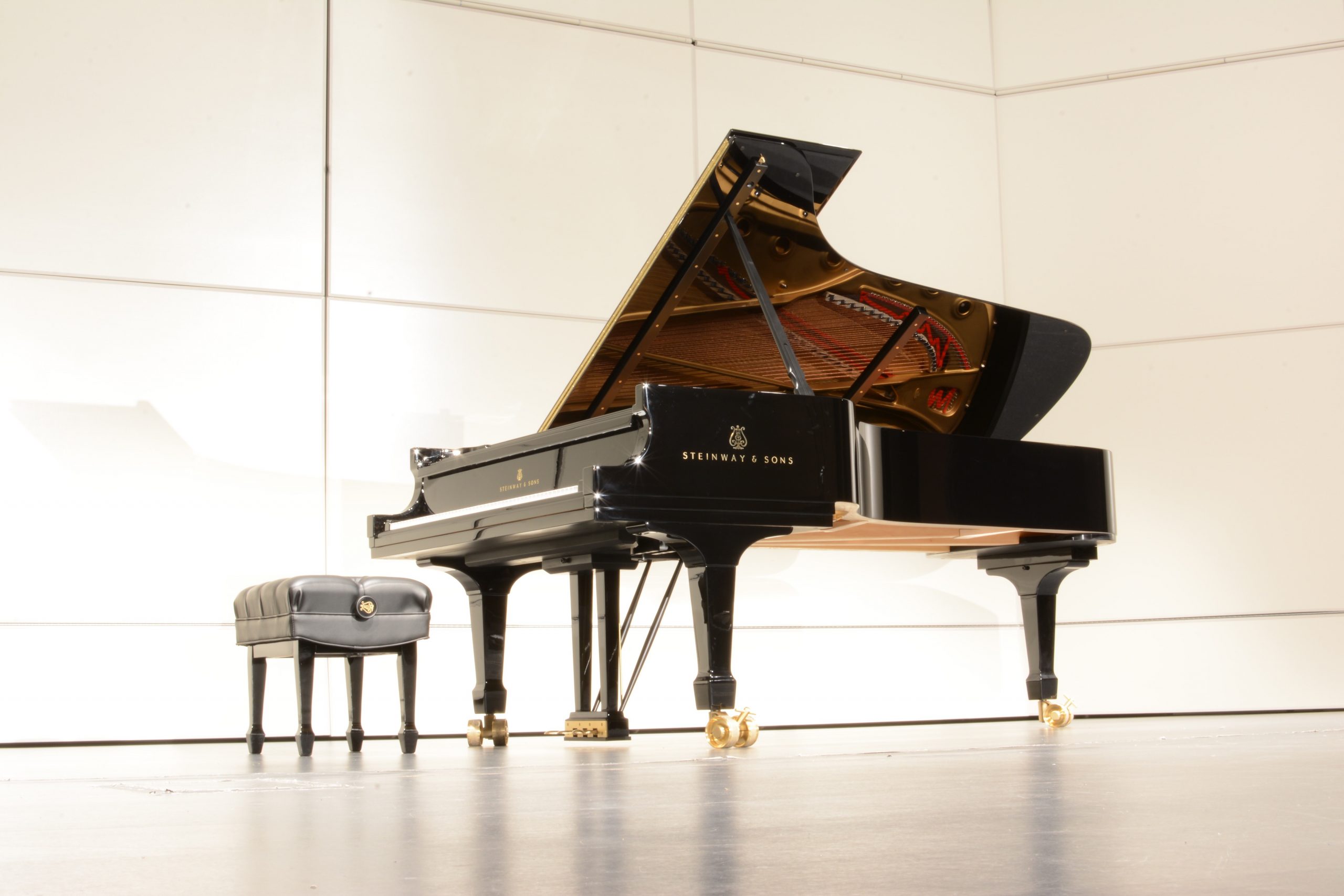
Three patented innovations define the distinct acoustic resonance and tonal range of Steinway pianos: the continuous bent rim, the cast-iron plate, and the diaphragmatic soundboard. The continuous rim consists of up to 18 layers of hard rock maple bent simultaneously in a proprietary press to maximize structural rigidity. The full cast-iron plate withstands up to 20 metric tons (40,000 lb) of string tension, stabilizing pitch across all 88 keys. The diaphragmatic soundboard tapers gradually from the center to the edges, creating sustained acoustic projection across low bass and high treble registers.
Steinway Hall: A Cultural Landmark in NYC
Original Hall on 14th Street
Steinway Hall opened on East 14th Street in 1866, combining a piano showroom with an acoustically tuned concert auditorium. The 2,000-seat venue served as New York City’s primary cultural center prior to Carnegie Hall’s opening in 1891. Renowned European virtuosos, including Anton Rubinstein, debuted at the hall to demonstrate the dynamic range and power of Steinway pianos to American audiences.
Move to 57th Street and Modern Locations
In 1925, Steinway relocated its flagship showroom to 109–113 West 57th Street, positioning the brand directly opposite Carnegie Hall in Manhattan’s premier cultural district. Designed by Warren & Wetmore, the building featured acoustically isolated recital studios, private practice rooms, and extensive instrument galleries. In 2016, Steinway Hall opened its modern flagship facility at 1133 Avenue of the Americas, combining contemporary performance spaces with interactive acoustic recording technology.
Impact on New York’s Music Scene
Steinway Hall transformed New York City into an international capital for piano performance and composition. Composers including George Gershwin, Leonard Bernstein, and Sergei Rachmaninoff utilized the hall’s private studios to rehearse new works and evaluate performance pianos. The facility established an essential gathering hub where educators, concert performers, and aspiring pianists engaged with world-class acoustic instruments.
Innovations and Patented Inventions
Sostenuto Pedal and Action
Steinway patented the sostenuto pedal mechanism in 1874, creating the middle pedal standard on modern concert grands. The sostenuto pedal selectively sustains notes that are depressed when the pedal is engaged while leaving subsequent notes unaffected by damping. Additionally, Steinway’s accelerated action mechanism uses weighted leverage to deliver 14% faster key repetition, granting performers exceptional touch sensitivity and dynamic control.
Soundboard and Cast Iron Plate Design
Steinway constructs soundboards using close-grained Sitka spruce sourced from high-altitude North American forests, aging the lumber for years to ensure acoustic stability. The soundboard features a diaphragmatic contour tapering from 8 mm (0.31 inch) at the center to 5 mm (0.20 inch) at the rim edges, maximizing vibrational responsiveness. The patented cast-iron plate balances string tension evenly, preventing cabinet warping while allowing delicate pianissimo passages and powerful fortissimo climaxes.
Steinway Artists and Their Legacy
Steinway maintains exclusive relationships with over 1,600 concert pianists worldwide, representing the largest artist roster in the piano industry. Notable Steinway Artists include Vladimir Horowitz, Glenn Gould, Martha Argerich, and Lang Lang, each selecting Steinway instruments for international tours and studio recordings. The Steinway Artist initiative also supports music education through masterclasses, institutional loans, and student competitions compatible with structured methodologies like the Suzuki piano method NYC instructors utilize.
Learning to Play: PrivatePianoLessons and Steinway Tradition
Importance of High-Quality Instruments in Private Piano Lessons
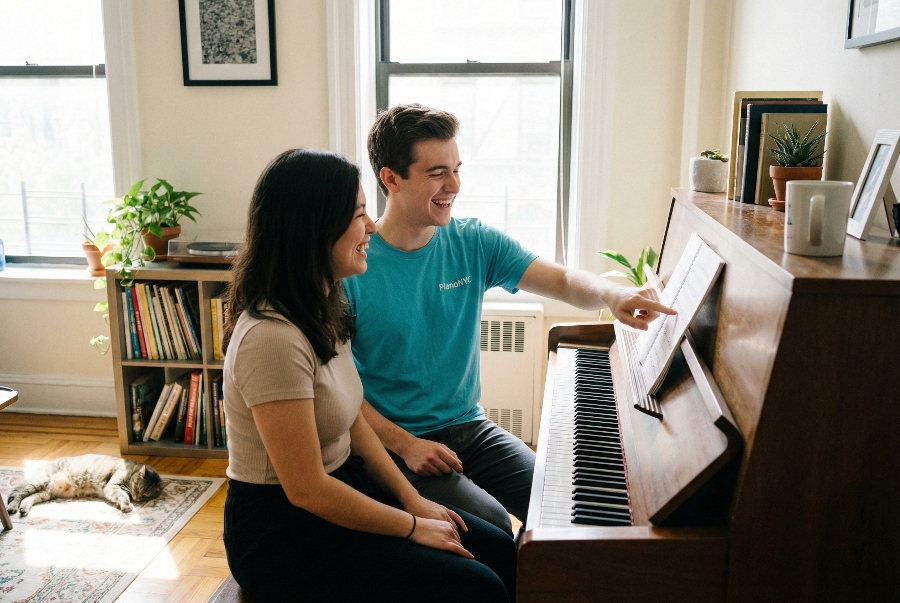
High-quality instruments provide the key resistance and tonal feedback required to build sound physical technique and sensitive listening habits. Practicing on responsive acoustic pianos or 88-key weighted digital keyboards prevents hand fatigue and accelerates dynamic control. At PrivatePianoLessons, instructors guide students to connect physical touch with tonal expression, cultivating refined musicality through exposure to properly maintained instruments.
Experience Private Piano Lessons in New York City
Founded on May 12, 2010 by classical pianist and educator James Harrison, PrivatePianoLessons delivers 1-on-1 private piano instruction directly to students’ homes across Manhattan, Brooklyn, Queens, The Bronx, and Staten Island. Headquartered at 817 W End Ave, New York, NY 10025, our team of 48 degree-holding instructors provides customized musical training for all ages, including adults starting piano late in life.
- 1-on-1 in-home lessons across all 5 boroughs of New York City with 0 USD travel fees
- Personalized curriculum mapped to 8 PrivatePianoLessons levels referenced to RCM and ABRSM standards
- Flexible scheduling between 07:00 and 21:00, 7 days a week, accommodating busy lifestyles
- Bi-annual student performance opportunities through recitals organized every June and December in Manhattan
- Free 30-minute in-home assessment to evaluate student goals and home piano setups before enrollment
Steinway Today: Continuing Legacy
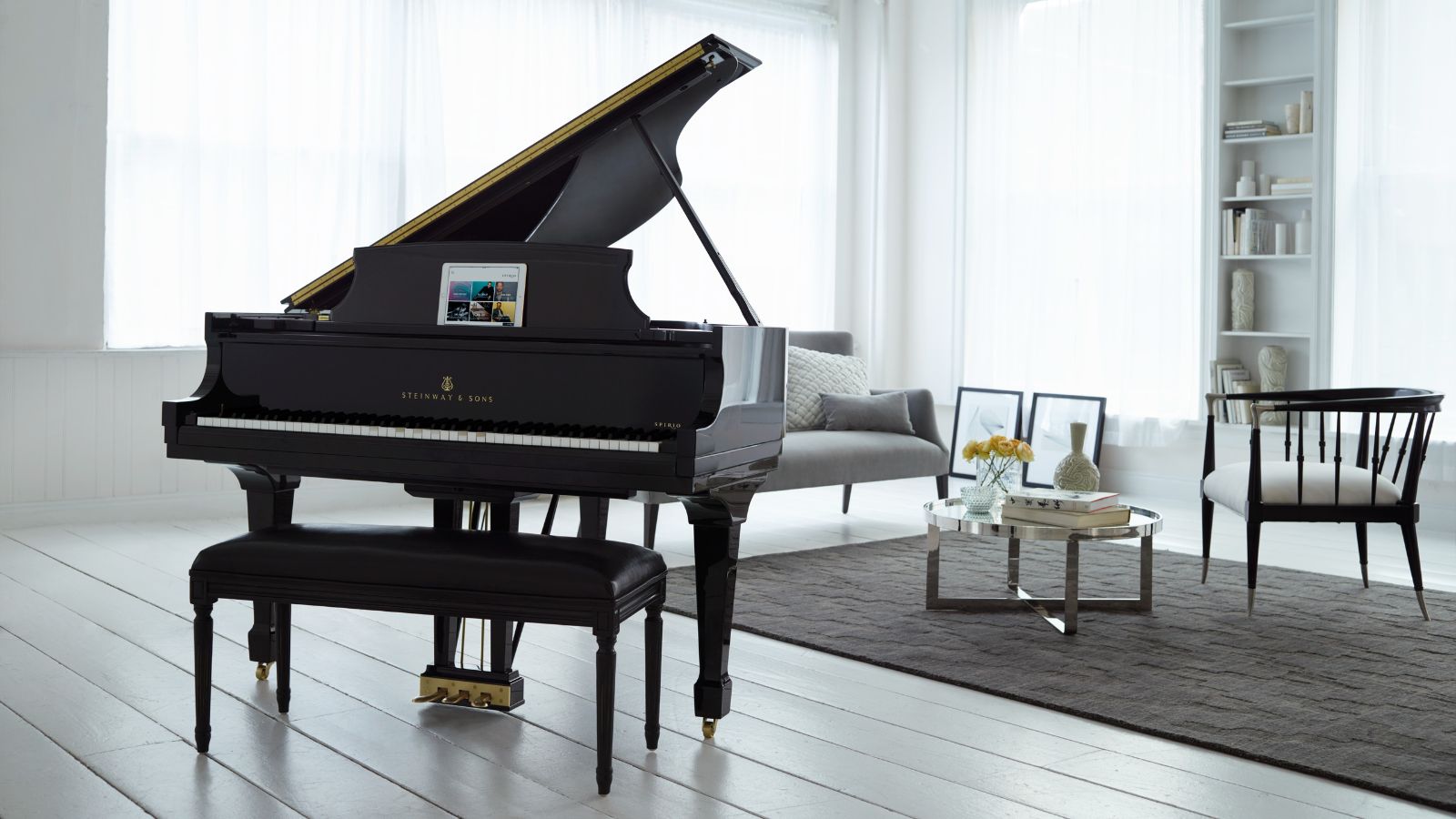
Steinway & Sons maintains handcrafted manufacturing at its Astoria facility while integrating modern acoustic testing and high-resolution digital playback technology. Contemporary instruments incorporate refined hammer voicing, precision wood-curing protocols, and the proprietary Spirio high-resolution recording system. Beyond manufacturing, the company supports music conservatories, underwrites young artist competitions, and preserves historical archives, ensuring its artisanal heritage continues inspiring musicians worldwide.
Frequently Asked Questions
What makes Steinway pianos special for piano students in NYC?
Steinway pianos offer exceptional touch sensitivity, wide dynamic range, and consistent key response that help students develop proper technical mechanics and acoustic awareness. The balanced action enables learners to refine subtle nuances in tone production, articulation, and pedal work without fighting instrument limitations.
How did Steinway’s New York location influence company’s development?
New York City provided Steinway & Sons with skilled European immigrant artisans, a vibrant concert market, and access to international shipping ports. The city’s thriving cultural appetite supported steady local sales, while maritime access facilitated the import of premium tonewoods and the global export of finished instruments.
Why do piano teachers recommend Steinway instruments for serious students?
Professional instructors recommend Steinway pianos because their responsive soundboards and accelerated actions deliver precise acoustic feedback for timing and dynamics. Consistent mechanical feedback ensures students develop the delicate touch and finger discipline required for advanced repertoire, conservatory auditions, and live performances.
PrivatePianoLessons | In-Home Private Piano Instruction in New York City
817 W End Ave, New York, NY 10025, USA | +1 (917) 903-2146
[email protected] | https://privatepianonyc.com
