

Music serves as a vital catalyst for enhancing social connection, cognitive vitality, and emotional wellness among older adults across New York City. Seniors who engage in regular musical training experience measurable improvements in mental acuity, mood regulation, and community integration. PrivatePianoLessons specializes in delivering private piano lessons in NYC tailored specifically for mature learners, fostering technical proficiency and meaningful human interaction across all five boroughs.
The therapeutic and social advantages of learning an instrument extend far beyond casual recreation. Structured piano study provides older adults with a reliable framework to counteract social isolation, preserve executive function, and cultivate personal fulfillment. Through personalized, one-on-one instruction at home, seniors develop creative skills while establishing consistent, supportive relationships with dedicated professional music educators.
The Vital Role of Music in Enhancing Senior Social Life in New York City
Musical engagement enriches senior social life in New York City by establishing consistent interpersonal contact, shared cultural activities, and collaborative artistic milestones. Active participation in music provides mature adults with purposeful community engagement, helping them maintain an active presence in NYC’s cultural fabric.
Combatting Loneliness, a form of isolation, Through Shared Musical Experiences
Shared musical experiences combat loneliness and social isolation by connecting seniors directly with dedicated mentors and supportive community networks. Prolonged isolation affects roughly 35% of urban adults aged 65 and older, leading to adverse psychological and physical health outcomes. Weekly private piano lessons provide consistent, anticipated social appointments that anchor an older adult’s weekly routine.
One-on-one instruction builds an authentic relationship between student and teacher centered on shared musical goals. Mature students also have opportunities to participate in biannual student recitals held in Manhattan every June and December. These celebratory gatherings allow senior learners to perform in an encouraging, low-pressure environment and connect with fellow adult students who share their musical passions.
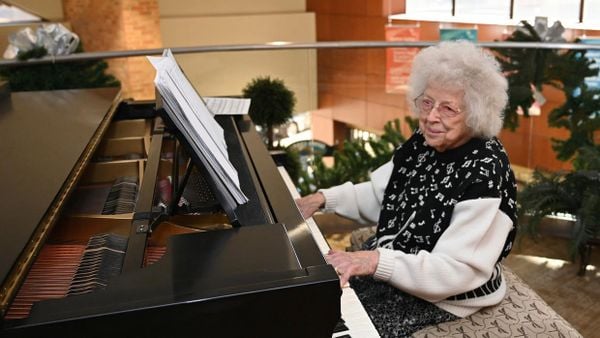
Community Building, Facilitating Intergenerational Bonding
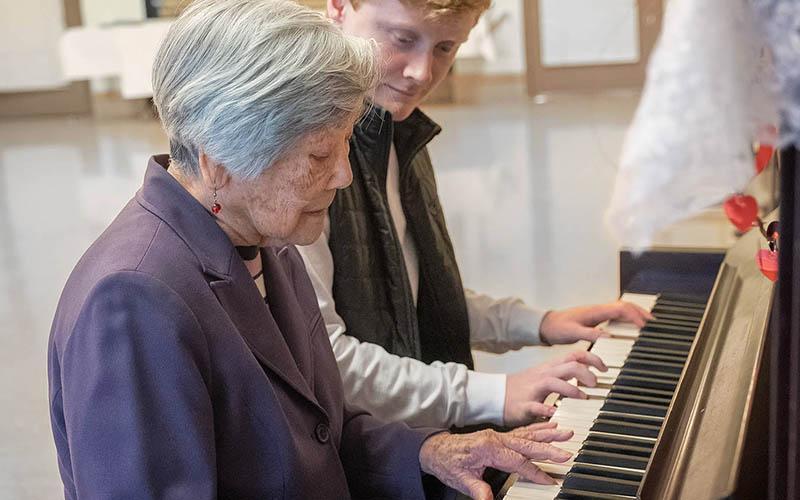
Learning piano facilitates community building and intergenerational bonding by creating a shared musical language across age groups. Older adults frequently discover that playing timeless melodies, American Songbook standards, and classical repertoire sparks meaningful conversations and joint musical activities with children and grandchildren.
These musical interactions bridge generational divides, providing seniors with a renewed sense of pride, mentorship, and family connection. Sharing piano achievements during family gatherings transforms solitary home practice into celebratory, multi-generational bonding moments that strengthen familial and community relationships throughout the metropolitan area.
Creating Routine; Promoting Structure in Daily Living
Musical education establishes essential daily structure and purposeful routine for retired seniors through scheduled lessons and deliberate practice sessions. Transitioning away from a structured professional career often leaves older adults without a predictable schedule, which can negatively affect sleep quality, physical activity, and emotional wellness.
Weekly piano lessons introduce dependable accountability, while dedicated daily practice segments of 15 to 30 minutes provide productive milestones throughout the morning or afternoon. Organizing time around concrete musical objectives fosters discipline, enhances time management, and instills a measurable sense of daily accomplishment.
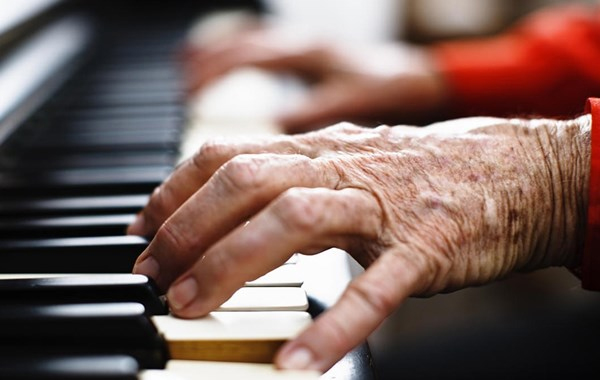
Cognitive, Emotional Advantages Beyond Socializing for the Elderly
Active piano study delivers profound cognitive and emotional advantages for older adults, stimulating neural plasticity, reducing psychological stress, and refining fine motor control. Neurological research confirms that playing the piano activates sensory, motor, and cognitive brain networks simultaneously, offering comprehensive neuroprotective benefits.
Music’s Role in Slowing Cognitive Decline, including Dementia
Musical instrument training helps delay age-related cognitive decline and symptoms of dementia by stimulating neuroplasticity and building cognitive reserve. Piano performance requires the brain to integrate real-time visual notation, auditory feedback, and tactile keyboard navigation across both cerebral hemispheres.
Scientific studies indicate that structured musical training can delay cognitive decline by 2 to 5 years in adults over 65. Engaging with targeted piano rhythm exercises challenges working memory, executive planning, and temporal processing, helping mature students preserve daily mental independence and mental clarity.
Reducing Stress and Anxiety for Better Emotional Wellness
Piano practice reduces stress and anxiety in mature learners by activating the parasympathetic nervous system and lowering systemic cortisol levels. Clinical observations show that focused instrument practice can reduce cortisol levels by up to 25%, producing an immediate sense of mental tranquility and physical relaxation.
Playing music serves as a non-verbal emotional outlet for seniors navigating retirement transitions, grief, or age-related physical limitations. Introducing creative techniques such as piano improvisation for beginners provides a safe, welcoming framework to express feelings freely, boosting emotional resilience and self-esteem with each milestone achieved.
Improving Motor Skills Through Active Music Engagement
Playing the piano preserves and improves fine motor skills, manual dexterity, and hand-eye coordination in aging adults. Pressing weighted piano keys requires individualized finger articulation, which stimulates peripheral blood circulation and maintains joint mobility in the fingers, wrists, and forearms.
Maintaining the proper piano sitting position aligns the spine and relieves strain on the shoulders and upper back, ensuring complete comfort for students managing joint stiffness or osteoarthritis. Additionally, subtle pedal coordination improves lower-body motor control and physical balance, supporting ongoing fall prevention and personal mobility.
Active vs. Receptive Engagement: Why Learning an Instrument Matters
Active instrument learning provides far greater cognitive, physical, and psychological benefits than passive music listening because it requires active multi-sensory integration and motor execution. While passive listening calms the senses, active playing builds structural neural connections.
Understanding Active Music Therapy and Participation
Active musical participation requires deliberate cognitive processing, tactile motor execution, and creative decision-making that passive listening cannot match. Performing music demands instant auditory assessment and physical adjustment, creating widespread neural stimulation across the motor cortex, auditory cortex, and visual processing centers.
This proactive, goal-oriented learning fosters strong self-efficacy and personal resilience. Working directly with a dedicated instructor establishes an encouraging educational partnership that offers personalized mentorship and ongoing motivation, advantages that solitary listening cannot provide.
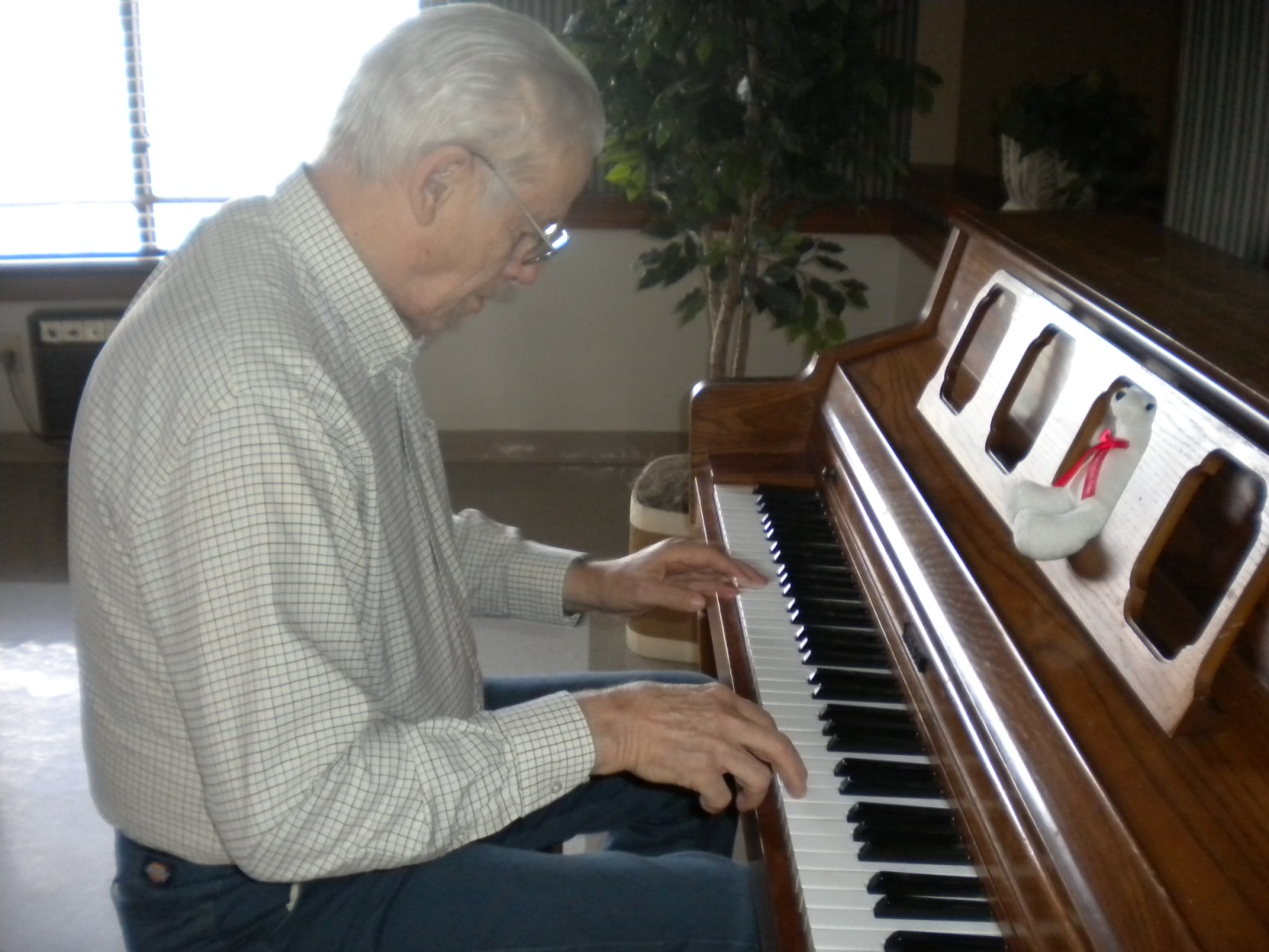
The Unique Benefits of Piano Lessons for Memory Recall
Piano study enhances memory recall in older adults by training short-term working memory and long-term procedural storage through multi-sensory encoding. Memorizing musical phrases, rhythmic patterns, and finger positions reinforces memory retrieval mechanisms.
Combining visual sheet music reading with physical tactile input on 88 weighted keys strengthens cognitive pathways. This comprehensive cognitive workout supports everyday working memory, helping seniors remain sharp, attentive, and confident in their daily affairs.
Experience Specialized Private Piano Lessons at New York City with PrivatePianoLessons
PrivatePianoLessons delivers specialized, one-on-one in-home piano instruction designed specifically for mature learners throughout New York City. Founded on May 12, 2010, by pianist and educator James Harrison, PrivatePianoLessons coordinates from its Upper West Side headquarters at 817 W End Ave, New York, NY 10025, operating a faculty of 48 instructors holding music degrees who are 100% background-checked.
Tailoring Music Education to Senior Adult Preferences
Senior-focused piano instruction customizes lesson pacing, ergonomic adjustments, and repertoire selection to align with mature students’ physical comfort and personal goals. Instructors tailor lessons to individual speeds, incorporating gentle hand warm-ups and large-print scores to accommodate vision changes and joint stiffness.
Students explore personally meaningful repertoire, including classical favorites, American jazz standards, and familiar Broadway melodies. Every prospective student begins with a complimentary 30-minute in-home evaluation to assess their instrument, clarify musical aspirations, and guarantee an ideal teacher match.
The Convenience of Home-Based Private Piano Lessons in NYC
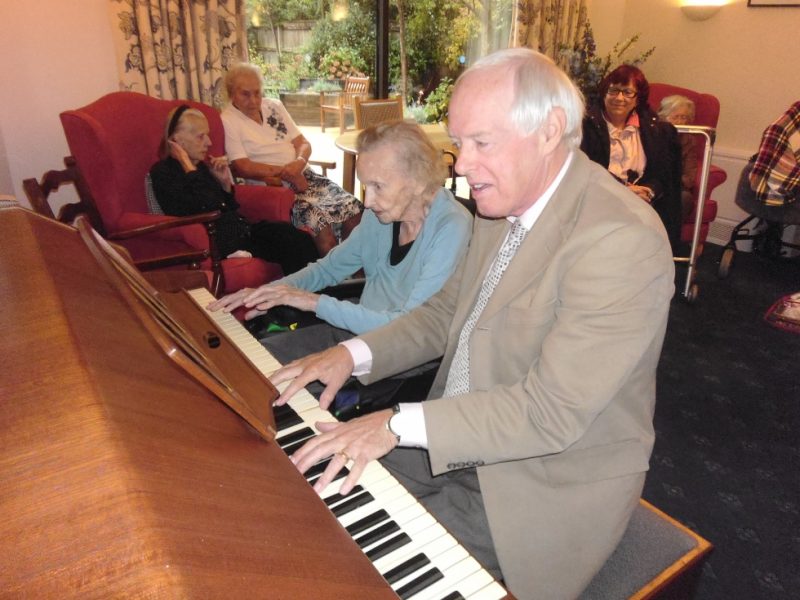
In-home private piano lessons eliminate transit obstacles by bringing expert faculty directly to senior residences across Manhattan, Brooklyn, Queens, The Bronx, and Staten Island. With a $0 travel fee across all five boroughs, mature students learn comfortably on their own acoustic piano or 88-key weighted digital keyboard without navigating subway stairs, inclement weather, or city traffic.
Lessons run 7 days a week from 07:00 to 21:00, allowing flexible scheduling around medical appointments and family routines, backed by a 24-hour advance notice cancellation policy. Students looking for high-quality piano lessons Staten Island can enjoy customized, professional instruction in their own living room.
Frequently Asked Questions About Music for Seniors
What is the difference between music therapy and music lessons?
Music therapy is a clinical healthcare intervention, whereas piano lessons are progressive educational experiences that deliver therapeutic wellness as a natural secondary benefit. Clinical music therapy is conducted by board-certified therapists to treat specific medical conditions, cognitive rehabilitation needs, or neurological trauma. In contrast, PrivatePianoLessons delivers structured educational instruction focused on instrument technique, music theory, and repertoire mastery, naturally supporting cognitive sharpness, stress reduction, and social connection.
Is it ever too late for a senior to start learning the piano?
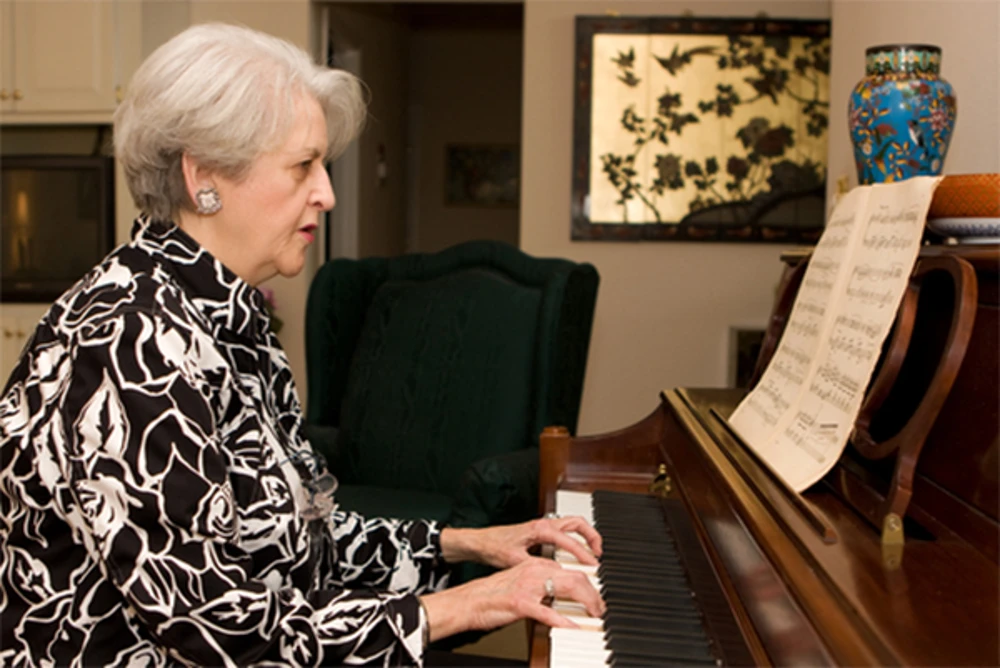
No, it is never too late for an older adult to start learning the piano. While many people question the best age to start piano, adult neuroplasticity ensures that seniors in their 60s, 70s, 80s, and beyond can learn to read music and play fluently. Mature learners often advance quickly because life experience, patience, and self-motivation allow them to understand musical concepts with depth and focus.
How can caregivers introduce music into a senior’s daily routine?
Caregivers can introduce music into a senior’s daily routine through purposeful listening, interactive music-making, and professional in-home instruction:
- Purposeful Listening: Play favorite recordings, classical pieces, or Broadway classics during meals and quiet afternoons to stimulate conversation and memory recall.
- Interactive Music-Making: Encourage singing, hand-clapping to rhythms, or exploring simple melodies together on a keyboard.
- Professional Instruction: Arrange weekly one-on-one sessions through PrivatePianoLessons, providing seniors with expert guidance, daily cognitive focus, and a motivating personal pursuit.
Does listening to music provide the same benefits as playing an instrument?
No, passive music listening does not provide the same extensive neurological and motor benefits as active instrument playing. Listening stimulates auditory and emotional brain centers, but playing piano demands real-time visual score reading, physical finger articulation, rhythmic timing, and two-handed coordination. This multi-system engagement stimulates neuroplasticity across both cerebral hemispheres, offering superior protection against age-related cognitive decline.
