
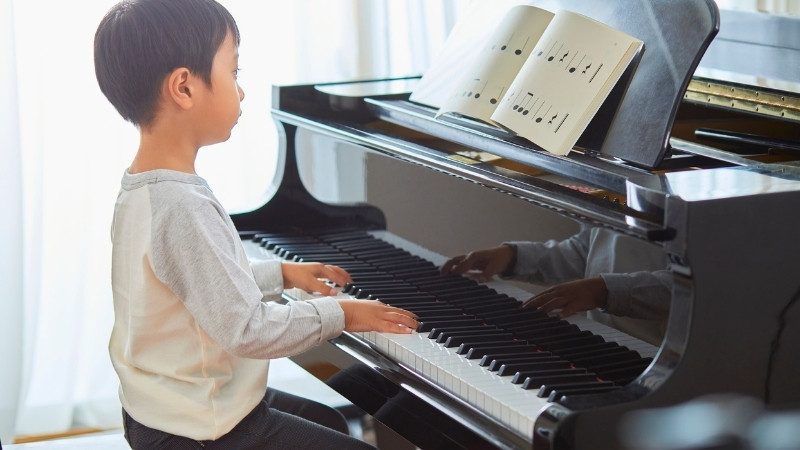
Piano playing offers measurable therapeutic benefits for adults and seniors managing arthritis. This comprehensive guide explores how arthritis affects piano mechanics and provides expert ergonomic strategies to continue your musical journey safely in New York City.
Can You Still Learn the Piano With Arthritis?
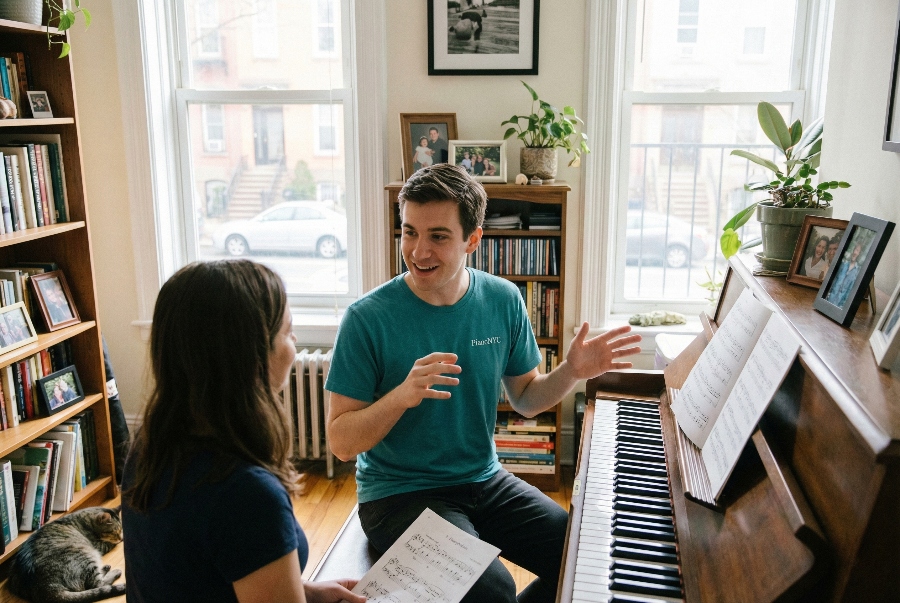
Yes, you can learn and continue playing the piano with arthritis by using adapted technique, ergonomic posture, and structured practice routines. Many adults and seniors with osteoarthritis or rheumatoid arthritis play piano comfortably when supported by tailored instruction. PrivatePianoLessons instructors provide 1-on-1 in-home music instruction across New York City, designing personalized ergonomics that protect joint mobility while achieving your musical goals.
Adaptive music education accommodates varying physical needs and mobility levels. Certified in-home teachers across Manhattan, Brooklyn, Queens, The Bronx, and those providing piano lessons Staten Island guide students through customized hand positions that prevent strain, tension, and joint inflammation.
Essential Tips for Playing Piano With Arthritis
Playing piano with arthritis requires strategic modifications to physical posture, daily practice habits, and keyboard mechanics. Implementing proven ergonomic adjustments protects delicate finger joints while building expressive musical skills.
Importance of Proper Posture and Hand Technique
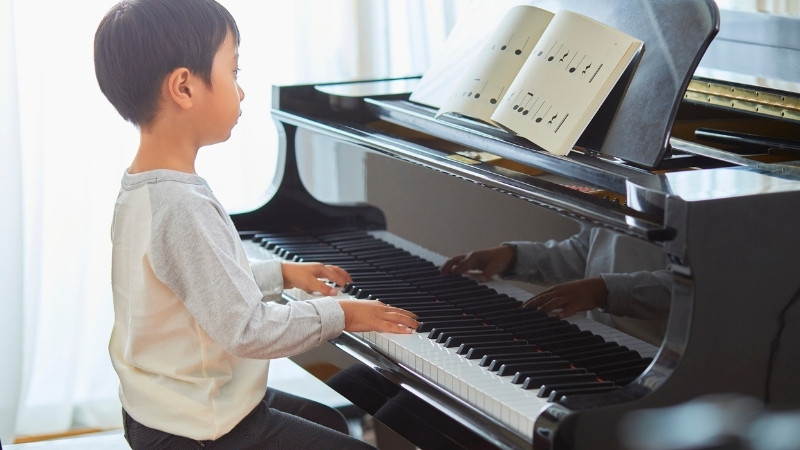
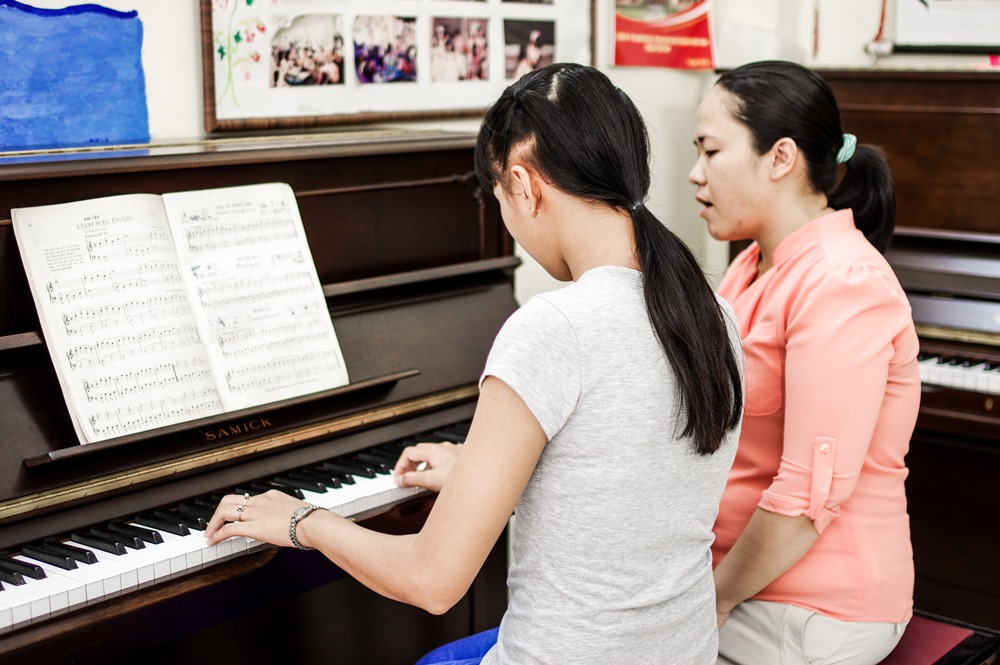
Proper sitting posture reduces musculoskeletal strain on arthritic joints across your neck, shoulders, and wrists. Sit upright on an adjustable piano bench with feet flat on the floor, relaxing your shoulders and maintaining an elbow angle of approximately 90 degrees. Position your bench height so your forearms rest parallel to the floor, typically 48–51 cm (19–20 inches) above the ground.
Hand mechanics require precise alignment for pianists managing joint conditions. Form a natural dome shape with curved fingers and loose wrists, avoiding collapsed knuckles or rigid tendon tension. Sound production relies on natural arm weight rather than isolated finger strikes. Distributing arm weight across the keyboard reduces direct pressure on interphalangeal joints, ensuring pain-free articulation.
Effective Hand Exercises and Finger Strengtheners
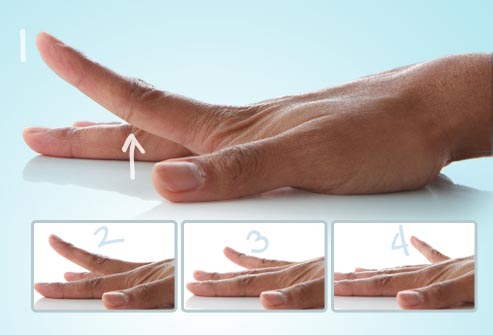
Gentle hand warm-ups improve synovial fluid circulation and joint flexibility before every practice session. Begin with isolated finger lifts: rest your hand flat on a soft surface or keys, raising each finger individually while keeping adjacent digits relaxed.
Structured chord playing strengthens finger arches within a musical context. Practice major triad progressions, such as C major (C-E-G), F major (F-A-C), and G major (G-B-D), moving slowly to maintain joint alignment. In addition, the balanced polyphonic control developed when playing Bach on piano promotes finger independence and dexterity without requiring excessive downward force.
Incorporate dynamic range-of-motion drills during short practice intervals. Perform gentle wrist rotations, finger flexions, and soft fist openings to prevent morning stiffness, muscle fatigue, and joint discomfort.
Managing Practice Sessions to Prevent Fatigue
Short, consistent practice blocks prevent joint inflammation and muscular fatigue far more effectively than prolonged rehearsals. Schedule focused sessions of 20–30 minutes, 4–5 days per week, rather than single marathon sessions.
Plan your practice during periods when joint stiffness and pain are naturally lowest, typically mid-morning or early afternoon. Developing consistent practice habits is practical once you know how to find time to practice piano in short 15-minute segments throughout your weekly schedule. Always pause practice during acute arthritis flare-ups to protect inflamed joint tissue.
Integrate brief recovery intervals into every playing session. Take a 2–3 minute rest every 10–15 minutes, allowing your hands to rest in your lap while performing slow finger stretches.
Choosing the Right Instrument for Arthritic Fingers
Instrument selection directly dictates joint comfort, tactile resistance, and practice longevity for pianists with arthritis. Key action weight and responsiveness determine how much muscular force your hands must exert to produce sound.
Digital Pianos vs Acoustic Pianos: Key Weight Considerations
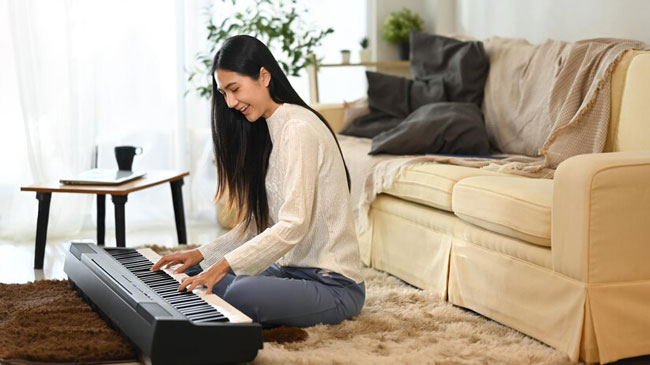
Digital pianos offer significant ergonomic advantages for arthritic hands through adjustable touch sensitivity. Selecting a light touch response setting allows digital keyboards to produce full sound velocity with minimal fingertip pressure. Quality 88-key digital pianos from reputable makers, such as Yamaha, Roland, and Kawai, simulate authentic acoustic action while offering predictable resistance that reduces strain on weak finger joints.
Acoustic pianos exhibit substantial variation in touch weight and key regulation. Well-maintained grand and upright pianos with smooth action regulation provide fluid playability, but unserviced instruments with stiff or heavy actions can aggravate joint inflammation.
Modifications and Adaptive Equipment
Ergonomic adaptive accessories optimize physical alignment and minimize joint strain during daily playing. Adjustable piano benches ensure precise forearm height relative to the keybed, accommodating daily fluctuations in spinal or hip stiffness. Contoured memory foam cushions alleviate pressure on lower back and hip joints.
Adaptive keyboard modifications assist individuals experiencing severe joint deformities or restricted range of motion. Key assists, silicone grip pads, and tactile pedal extensions enable continued music-making for limited mobility. Visual metronomes with blinking LED indicators also eliminate auditory anxiety, helping you maintain rhythm without straining hand speed.
Inspiration: Examples of Famous Pianists With Arthritis
Renowned concert pianists demonstrate that chronic joint conditions and neuromuscular challenges need not terminate a rewarding musical journey. Professional artists have adapted repertoire, physical ergonomics, and practice philosophy to sustain high-level musical expression.
Leon Fleisher famously adapted his concert career after neurological movement disorders impaired his right hand, mastering virtuosic left-hand literature by composers such as Maurice Ravel, Sergei Prokofiev, and Johannes Brahms before returning to two-hand performance. Concert pianist Byron Janis openly documented his decades-long management of severe psoriatic arthritis, modifying hand mechanics and practice durations to continue global concertizing.
Recreational pianists can apply these same adaptive principles to accessible classical literature. For instance, studying how to play Moonlight Sonata (the serene Adagio sostenuto movement) provides profound musical expression with gentle physical demands on arthritic fingers.

Adapting Your Technique with Private Piano Lessons in New York City
PrivatePianoLessons provides personalized 1-on-1 in-home piano instruction across Manhattan, Brooklyn, Queens, The Bronx, and Staten Island. Our degreed teachers develop customized ergonomic routines for students managing osteoarthritis, rheumatoid arthritis, and joint stiffness. Learning on your own piano in your living room eliminates commuting fatigue and allows real-time adjustments to your bench height, seating posture, and hand technique.
Personalized in-home lessons adapt to your unique physical comfort, whether you are beginning your journey or seeking advanced piano lessons NYC tailored to evolving mobility needs. Lesson schedules operate from 07:00 to 21:00 Monday through Sunday with zero travel fees across all five NYC boroughs. Dedicated musical study also sets an inspiring example at home, showing how to motivate child to practice piano through patience and routine.
Frequently Asked Questions About Piano and Arthritis (FAQs)
How does arthritis affect the hands when playing piano?
Arthritis affects the hands during piano playing by causing joint inflammation, morning stiffness, and reduced finger mobility. Osteoarthritis degrades articular cartilage in the fingers and thumbs, while rheumatoid arthritis triggers autoimmune inflammation in the synovial lining. Common mechanical symptoms include morning stiffness lasting 30–60 minutes, diminished pinch strength, and joint tenderness during rapid octave reaches or repetitive key strikes. Gentle, low-impact finger movement maintains joint lubrication and delays stiffness progression when practiced with relaxed technique.
Can playing the piano help relieve arthritis symptoms?
Playing the piano can relieve arthritis symptoms by serving as therapeutic low-impact exercise that enhances joint mobility and finger circulation. Controlled piano playing strengthens intrinsic hand muscles, improves grip coordination, and stimulates the release of endorphins that naturally alleviate chronic pain perception. Adult and senior students at PrivatePianoLessons frequently report reduced joint stiffness and enhanced dexterity after establishing regular, gentle practice routines.
Potential Risks: Can piano harm arthritic joints?
Piano playing can harm arthritic joints if practiced with forceful strikes, tense posture, or through acute physical pain. Stiff wrists, collapsed knuckles, and extended practice sessions exceeding 45 consecutive minutes can irritate inflamed tendons and accelerate cartilage wear. Stop playing immediately if you experience sharp pain, joint swelling, or stiffness lasting longer than 2 hours after practicing. Consulting a rheumatologist alongside an experienced piano teacher ensures your musical routine remains therapeutic and safe.
PrivatePianoLessons
817 W End Ave, New York, NY 10025, USA
Phone: +1 (917) 903-2146
Email: [email protected]
Website: https://privatepianonyc.com
Your Home. Your Piano. Your Pace. — Premium In-Home Private Piano Instruction in New York City
