

Piano lessons offer measurable cognitive benefits that extend far beyond artistic recreation. While many families recognize the piano benefits for child development, scientific research confirms that structured piano instruction enhances brain function, expands working memory, and builds cognitive reserve against age-related mental decline in adults. Founded on May 12, 2010, by classical pianist and educator James Harrison, PrivatePianoLessons delivers personalized, one-on-one in-home instruction across New York City, bridging rigorous music education with sustained cognitive stimulation.
Learning to play the piano drives structural neurological adaptations by demanding real-time motor coordination, bimanual dexterity, auditory analysis, and executive control. These neurobiological adaptations provide meaningful cognitive preservation for working professionals seeking mental sharpness and for seniors protecting long-term brain health.
How Piano Lessons Combat Memory Loss, Counteracting Cognitive Decline
Piano lessons counteract memory loss by engaging visual, motor, and auditory neural pathways simultaneously. This multimodal engagement stimulates interconnected cortical networks, strengthening synaptic density and preserving neural pathways that resist age-related degeneration.
Clinical studies in cognitive neuroscience indicate that adult piano students experience measurable cognitive improvements:
- Enhanced working memory capacity: Students demonstrate up to a 23% improvement in complex memory recall tasks.
- Strengthened executive function: Practitioners show greater efficiency in planning, abstract reasoning, and problem-solving tasks.
- Expanded attention span: Sustained mental focus increases by up to 40% with regular musical practice.
- Heightened cognitive flexibility: Learners exhibit faster task-switching performance and reduced cognitive interference.
Adult learners benefit significantly from piano education because reading musical notation while coordinating two independent hands requires continuous sensory integration. This active processing reinforces retrieval pathways in the temporal and frontal lobes, facilitating information encoding and memory consolidation.
Structured piano lessons provide progressive mental challenges tailored to individual skill levels. Systematic technical progression promotes continuous neuroplasticity without inducing cognitive fatigue or performance anxiety.
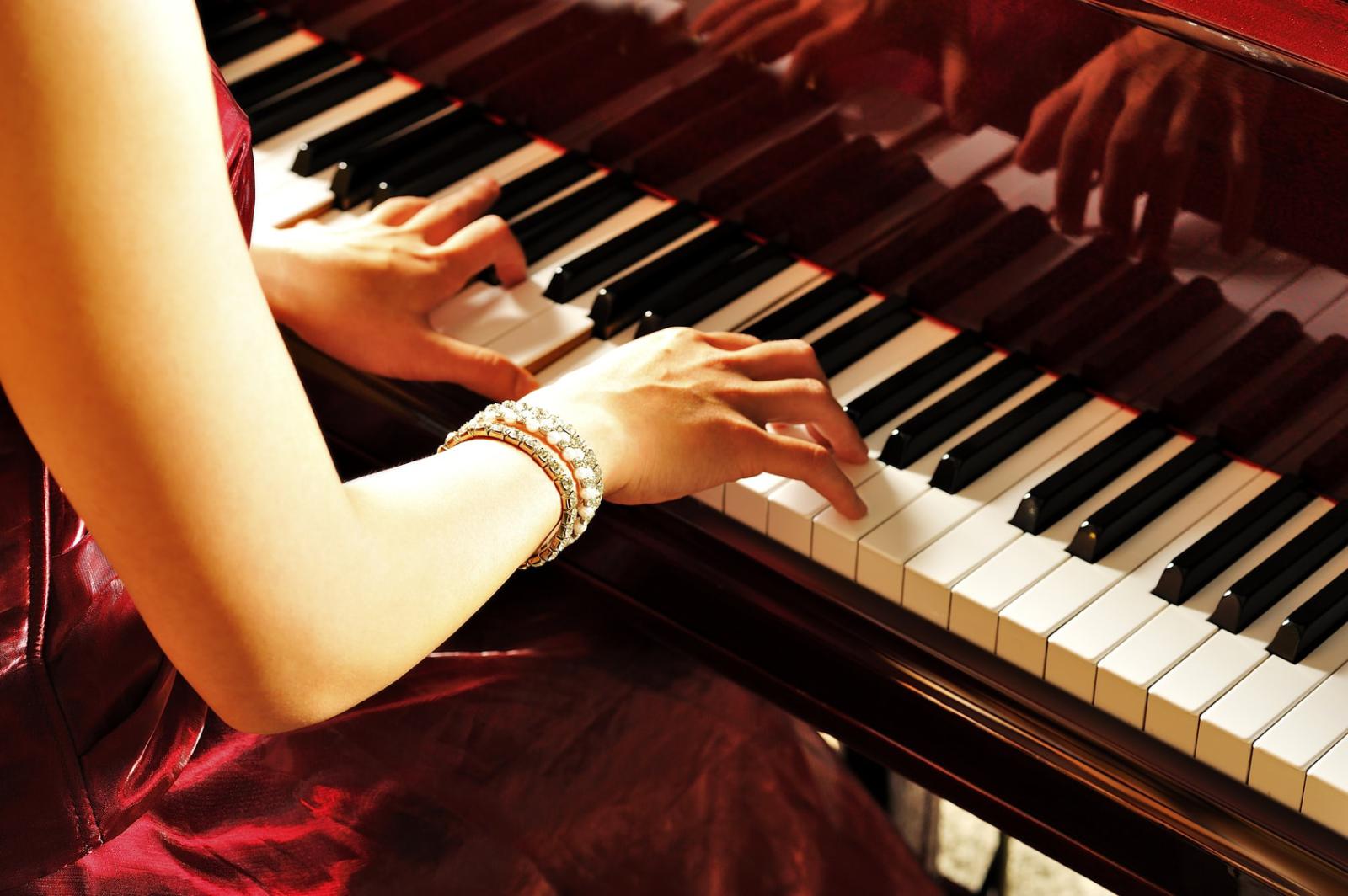
The Science Behind Music: How Playing Piano Changes the Brain
Neuroimaging research demonstrates that playing the piano induces both functional reorganization and structural neuroplasticity within the human brain. Magnetic resonance imaging (MRI) studies confirm measurable structural changes in gray matter volume and white matter tract integrity within months of consistent practice.
Stabilizing White Matter Microstructure in the Fornix
Piano practice stabilizes white matter microstructure in the fornix, the primary axonal tract carrying signals from the hippocampus to the mammillary bodies and prefrontal cortex. Longitudinal neuroimaging assessments reveal that pianists exhibit distinct microstructural advantages:
- Greater fractional anisotropy: Pianists maintain up to 25% higher white matter organization in memory-associated tracts.
- Enhanced fornix connectivity: Strengthened axonal pathways optimize communication between the hippocampus and deep cerebral nuclei.
- Accelerated interhemispheric transfer: Thicker axonal bundles speed neural communication across the corpus callosum.
- Mitigated white matter atrophy: Sustained musical engagement helps shield against age-related leukoaraiosis.
These microstructural enhancements directly correlate with superior episodic memory performance and reduced risk of mild cognitive impairment (MCI). By stabilizing fornix tract integrity, piano education preserves the primary pathway required for long-term memory retrieval.
Boosting Neuroplasticity and Executive Function
Piano training accelerates neuroplasticity by compelling the cerebral cortex to establish new synaptic connections and reorganize established neural circuits. This adaptive capacity builds cognitive reserve, which helps cushion the brain against neurodegenerative symptoms.
Primary neuroplastic adaptations driven by piano training include:
- Increased cortical thickness: Gray matter density expands within the primary motor, premotor, and superior temporal cortices.
- Elevated synaptogenesis: Dense dendritic branching enhances computational speed across neural networks.
- Prefrontal cortex recruitment: Bilateral activation of the dorsolateral prefrontal cortex reinforces self-monitoring and mental control.
- Durable cognitive reserve: Enriched neural connectivity delays the functional onset of cognitive decline.
Executive functions—specifically working memory updating, cognitive inhibition, and mental flexibility—show substantial improvement through piano practice. Adult learners develop greater competence in multitasking environments and structured decision-making scenarios.
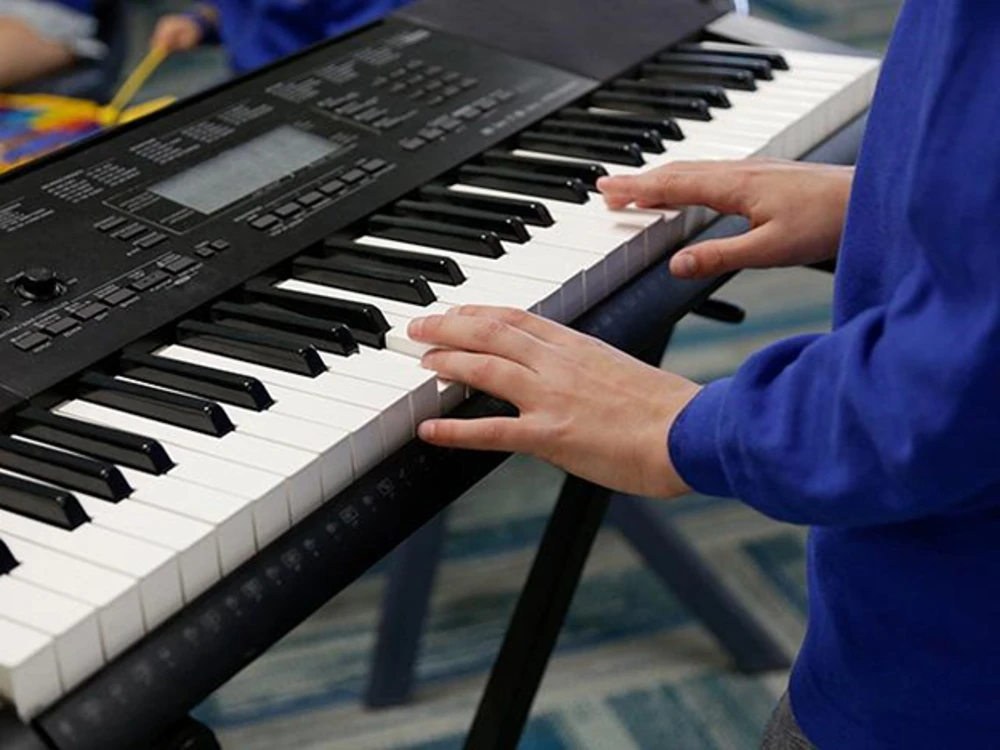
Enhancing Auditory Signal Processing and Motor Function
Piano instruction integrates fine motor control with acute auditory feedback, creating a tight sensorimotor loop that refines cortical processing. These shared adaptations elevate both musical sensitivity and daily communication skills.
Auditory and sensorimotor enhancements include:
- Sharpened pitch discrimination: The auditory cortex develops precise frequency differentiation, enhancing speech-in-noise perception.
- Precise temporal processing: Rhythm training enhances millisecond-level auditory timing and metric anticipation.
- Expanded auditory memory: Auditory storage capacity expands, facilitating the retention of verbal sequences and acoustic patterns.
- Refined bimanual coordination: Independent finger articulation strengthens corticospinal tract control and spatial manual dexterity.
These motor skills preserve hand dexterity, grip precision, and spatial proprioception, providing immediate physical benefits for routine daily activities.
Beyond Memory: Holistic Benefits of Adult Piano Lessons
Adult piano education delivers psychological and physiological wellness benefits that extend well beyond memory preservation. Regular practice supports emotional equilibrium, manual agility, and sustained social involvement.
Reducing Depression and Improving Mood
Piano practice alleviates depressive symptoms by activating dopaminergic reward pathways and dampening systemic neuroendocrine stress responses. Concentrated musical performance encourages mindfulness, interrupting rumination cycles and fostering emotional resilience.
Documented neurochemical and psychological benefits include:
- Dopamine regulation: Achieving musical benchmarks triggers natural reward circuitry in the striatum.
- Cortisol reduction: Focused playing lowers salivary cortisol levels, diminishing physiological stress.
- Serotonergic support: Expressive musicianship promotes emotional stability and positive affect.
- Constructive emotional processing: Instrumental playing provides a healthy, non-verbal channel for affective expression.
Adults managing elevated work stress or mood disorders find substantial therapeutic value in structured weekly piano sessions. The combination of creative focus and disciplined technique restores a balanced emotional state.
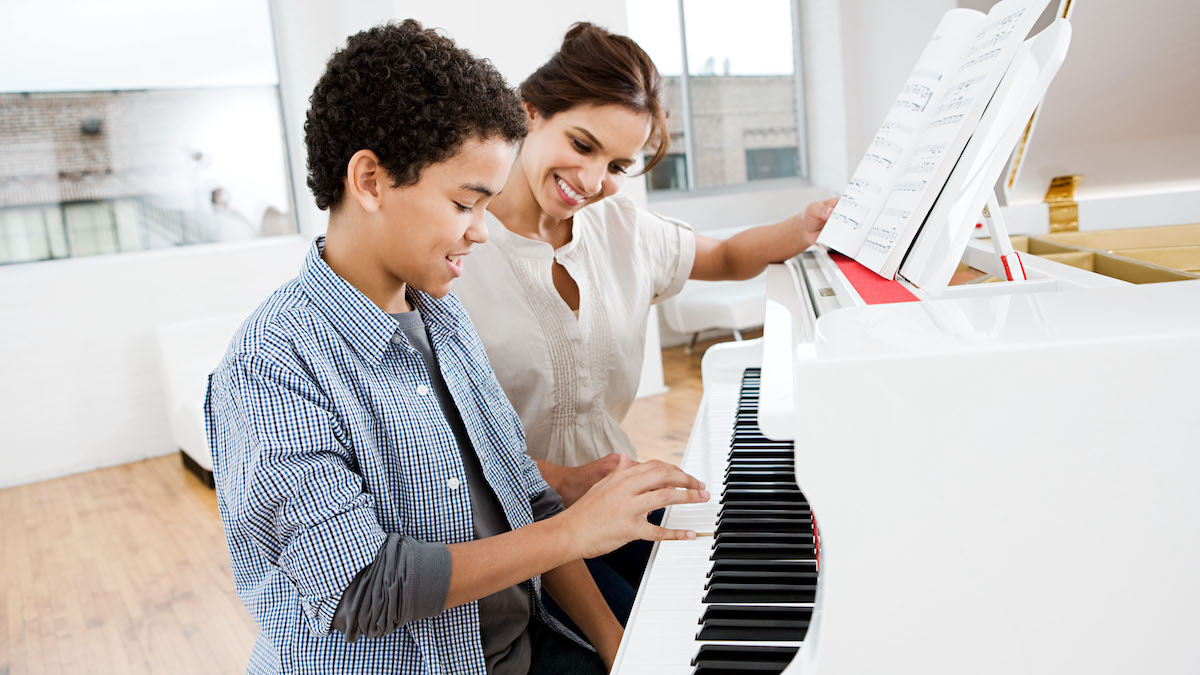
Strengthening Fine Motor Skills and Coordination
Piano performance demands precise digit articulation, neuromuscular control, and left-right hand independence. These complex mechanical movements preserve neuromuscular communication between the motor cortex and peripheral nerves.
Key motor proficiencies developed through regular practice include:
- Individual digit autonomy: Targeted technical exercises isolate finger extensors and flexors.
- Bilateral motor independence: Asynchronous hand movements cultivate distinct neurological commands for each hand.
- Somatosensory awareness: Keyboard navigation sharpens tactile sensitivity and spatial hand awareness.
- Kinetic economy: Proper wrist ergonomics and relaxed arm weight prevent muscle fatigue and joint strain.
These motor gains prove indispensable for maintaining physical autonomy throughout aging. For example, executing a continuous jazz piano walking bass requires rhythmic independence and tactile accuracy that keep motor-cortex pathways sharp and responsive.
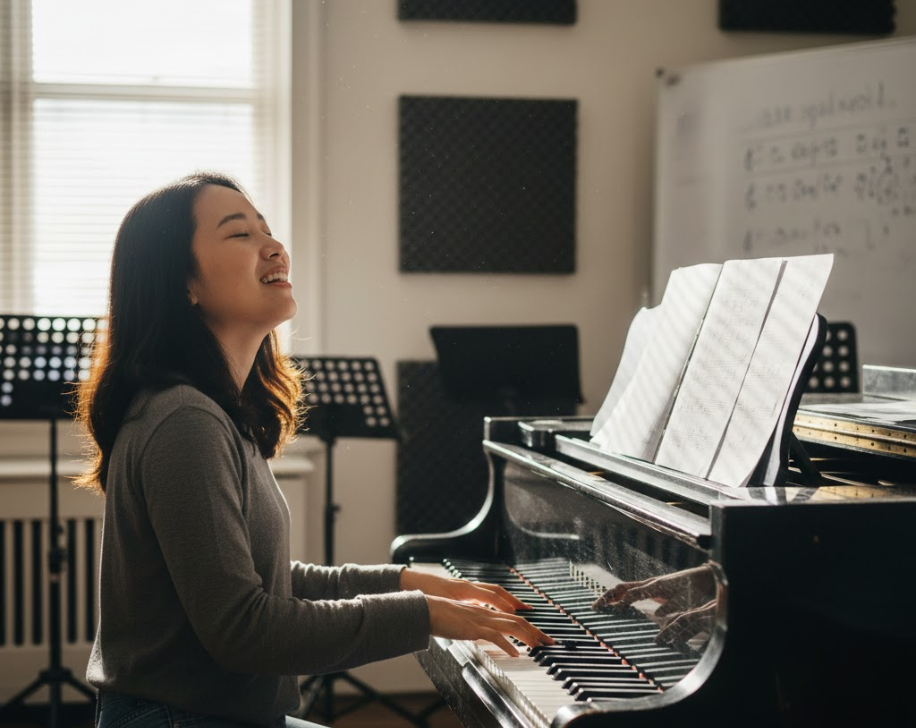
Increasing Quality of Life Through Social Engagement
Piano education enriches quality of life by connecting adult learners with artistic traditions and musical communities. Active musical study provides purpose, milestones, and personal identity beyond professional work.
Social and lifestyle advantages include:
- Biannual recital participation: Optional June and December performance showcases in Manhattan offer fulfilling artistic milestones.
- Peer community: Shared artistic goals foster connections with fellow adult learners and professional musicians.
- Family engagement: Home performance creates meaningful musical experiences across generations.
- Cultural literacy: In-depth study deepens appreciation for classical, jazz, and contemporary musical works.
PrivatePianoLessons encourages community engagement through structured performance recitals and student showcases across New York City.
Why Choose PrivatePianoLessons for Your Brain Health Journey
PrivatePianoLessons provides specialized, one-on-one in-home piano instruction designed to meet adult cognitive and musical goals. While standard youth methods focus on how to make piano fun for kids, our adult instruction integrates cognitive development with serious musical training.
Key highlights of PrivatePianoLessons include:
- In-home convenience: Professional instructors travel to your residence across Manhattan, Brooklyn, Queens, The Bronx, and Staten Island with 0 USD travel fees.
- Elite faculty: All 48 faculty members hold a music degree from prestigious institutions and undergo extensive background checks every 24 months.
- Structured 8-level curriculum: Lessons follow an established framework referencing RCM and ABRSM standards, tailored to your musical preferences.
- Flexible scheduling: Lessons operate from 07:00 to 21:00, Monday through Sunday, fitting demanding work and retirement schedules.
Specialized Private Piano Lessons in New York City for Seniors
PrivatePianoLessons offers dedicated private piano lessons for seniors aged 60 and older. Our specialized curriculum supports cognitive vitality, adapts to physical requirements, and makes musicianship accessible in retirement.
Personalized Curriculum for Cognitive Stimulation
Senior instruction prioritizes cognitive stimulation through repertoire curated for mental engagement, emotional resonance, and manageable technical demands. Instructors incorporate memory games, rhythmic exercises, and structural score reading into each lesson.
Key curriculum adjustments for older learners include:
- Ergonomic hand positioning: Instructors begin lessons with gentle warm-ups and adapt fingering to accommodate joint stiffness or mild arthritis.
- Large-print sheet music: High-legibility notation eliminates visual strain during reading and score analysis.
- Adaptive pacing: Lesson progression prioritizes musical retention and cognitive enjoyment over rapid advancement.
- Analytical repertoire: Exploring structural counterpoint, such as Bach piano interpretation, stimulates logical processing and pattern recognition.
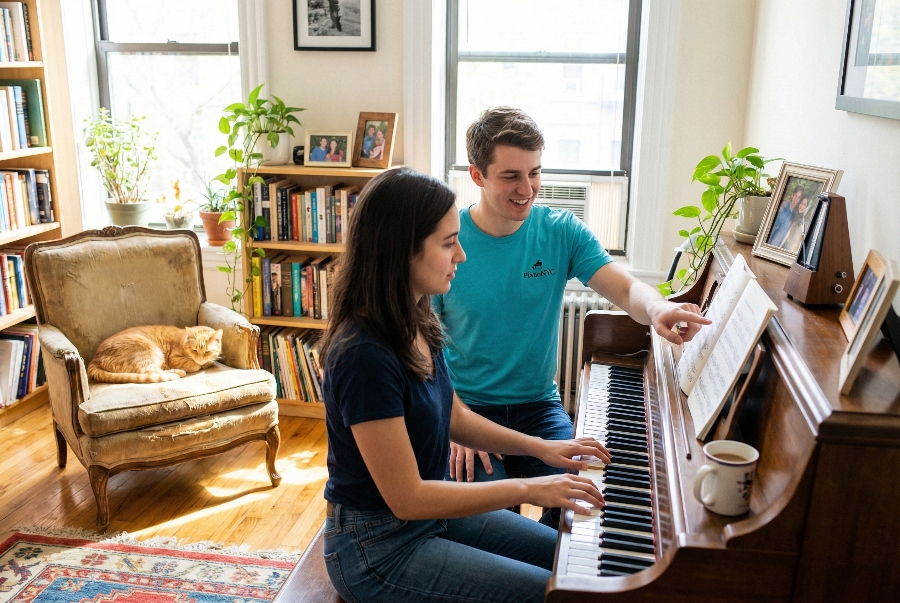
Convenient In-Home Instruction Across NYC
PrivatePianoLessons delivers all instruction directly inside the student’s home, eliminating commute stress and transit barriers across all five boroughs. Whether you need an experienced private piano teacher Staten Island, an instructor in Brooklyn, or a classical specialist in Manhattan, our teachers travel to you.
Home-based instruction provides distinct advantages for seniors:
- Familiar home comfort: You learn on your own acoustic piano or 88-key weighted digital keyboard in a quiet living space.
- Flexible lesson times: Sessions are scheduled between 09:00 and 16:00 on weekdays, fitting easily around medical and personal routines.
- Caregiver and family inclusion: Family members can observe lessons and share in musical milestones.
- Zero travel logistics: Eliminating subway stairs and traffic ensures a relaxed, focused lesson environment.
Instructors bring all necessary teaching supplies—including metronomes, footstools, lesson assignment binders, and Practice Log integration—to ensure professional musical development on your instrument.
Conclusion: It Is Never Too Late to Start Learning
Scientific evidence confirms that the adult brain retains neuroplastic capacity across all stages of life. Commencing piano study as an adult or senior represents a meaningful investment in cognitive reserve, motor agility, and emotional well-being.
PrivatePianoLessons provides the structural expertise, personalized curriculum, and in-home convenience necessary to support your cognitive health journey through the study of music.
Contact PrivatePianoLessons to schedule your complimentary 30-minute in-home trial evaluation:
- Brand: PrivatePianoLessons
- Coordination Office: 817 W End Ave, New York, NY 10025, USA
- Hotline: +1 (917) 903-2146
- Email: [email protected]
- Website: https://privatepianonyc.com
- Hours: 07:00 – 21:00, Monday – Sunday
- Service Area: Manhattan, Brooklyn, Queens, The Bronx, and Staten Island (0 USD travel fee)
Frequently Asked Questions About Piano and Brain Health
What are the main brain benefits of learning piano?
The main brain benefits of learning piano are enhanced neuroplasticity, strengthened executive function, improved working memory capacity, and sharper auditory processing. Playing the piano engages the prefrontal cortex, temporal lobes, and motor cortices simultaneously, building cognitive reserve that protects the brain against age-related cognitive decline.
How does piano practice specifically help combat memory loss?
Piano practice combats memory loss by engaging multisensory neural networks and stabilizing white matter integrity in the fornix. Reading musical notation while executing bimanual motor patterns stimulates the hippocampus and associated cerebral pathways, strengthening neural connections required for memory encoding and retrieval.
Is it too late for seniors to start piano lessons for brain health?
No, it is never too late for seniors to start piano lessons for brain health because the brain maintains neuroplasticity throughout life. PrivatePianoLessons provides specialized senior piano programs with ergonomic hand adjustments, large-print scores, and customized cognitive repertoire to ensure safe, rewarding learning at any age.
