

Classical music appreciation enriches the lives of senior adults by connecting them with timeless artistic traditions. Exploring classical masterpieces stimulates cognitive function, supports emotional wellness, and fosters meaningful cultural engagement for older adults beginning their musical journey.
Why Music Appreciation Is Essential for Seniors
Music appreciation provides older adults with measurable cognitive, emotional, and social benefits that improve overall quality of life. Active engagement with orchestral, chamber, and solo piano works stimulates neural networks and promotes lasting psychological well-being.
The Neuroscience of Music and Emotion for Older Adults
Listening to classical music activates multiple auditory, motor, and cognitive brain regions simultaneously, strengthening neural plasticity in seniors. Research from Johns Hopkins Medicine demonstrates that musical engagement stimulates memory centers, attention networks, and emotional processing circuits in older adults.
Classical compositions enhance brain plasticity through intricate harmonic structures and varied melodic motifs. Compositions by Johann Sebastian Bach, Wolfgang Amadeus Mozart, and Ludwig van Beethoven challenge neural networks, promoting mental agility and strengthening cognitive reserve. Studies indicate that seniors who regularly engage with classical music show improved working memory and enhanced executive function compared to non-listening peers.
Musical appreciation also stimulates dopamine release in the brain, generating positive emotional responses that counter symptoms of depression and anxiety. The architectural symmetry of classical works provides predictable harmonic resolutions that comfort the aging brain while maintaining intellectual engagement.
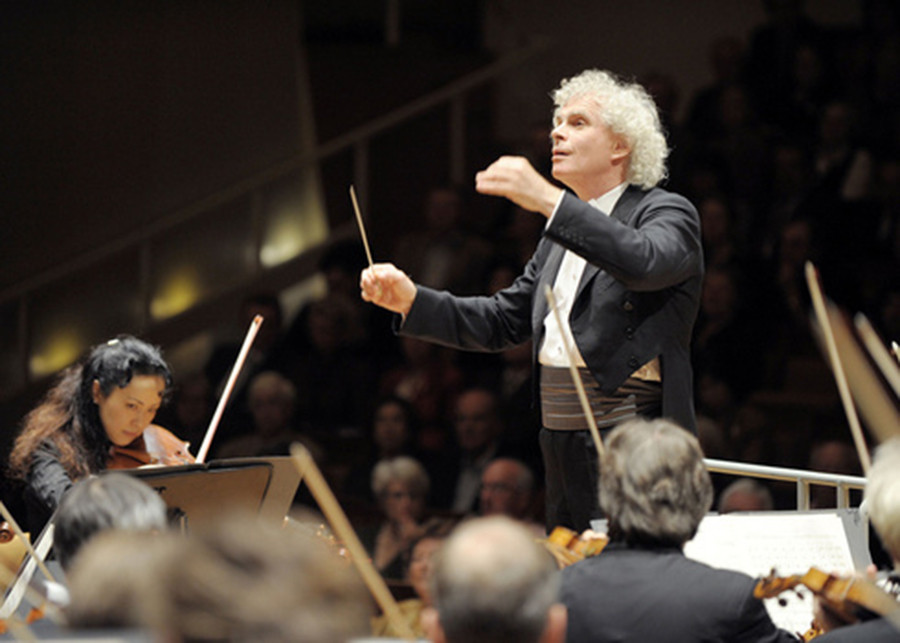
Music for Wellness and Cognitive Health
Classical music serves as a non-pharmacological tool for supporting cognitive wellness and autonomic stability in older adults. Regular exposure to complex musical compositions strengthens synaptic connections throughout the brain. For many seniors, the decision to learn piano as an adult further reinforces neural pathways and helps delay age-related cognitive decline.
The temporal architecture of classical pieces exercises auditory processing mechanisms essential for verbal communication and memory retention. Attentive listening to symphonies, concertos, and chamber music cultivates sustained focus and auditory discrimination over extended listening periods.
Clinical music therapy studies show that targeted classical music appreciation decreases circulating cortisol levels, assisting in blood pressure regulation for older adults. The measured rhythmic meters of classical works encourage steady respiration, stabilize heart rates, and induce physical relaxation alongside mental clarity.
The Social and Cultural Benefits of Understanding Classical Works
Understanding classical compositions expands cultural literacy and creates enriching social opportunities that prevent isolation in retirement. Concert hall attendance, music appreciation societies, and educational lectures offer meaningful venues for community connection.
Classical music appreciation links older adults to four centuries of Western artistic achievement, establishing historical perspective and contextual depth. Familiarity with major composers, stylistic eras, and prominent masterworks enriches visits to cultural institutions and performing arts venues.
Shared musical experiences also strengthen intergenerational relationships within families. Grandparents who appreciate classical repertoire can introduce younger family members to orchestral masterpieces, creating shared listening traditions that span generations.
A Very Brief History of Classical Music for Beginners
Classical music encompasses four major historical periods spanning more than 400 years of artistic development: Baroque, Classical, Romantic, and Modern eras.
The Baroque Era: Structure and Ornamentation
The Baroque period (1600–1750) established fundamental principles of Western composition through architectural counterpoint and elaborate ornamentation. Composers such as Johann Sebastian Bach developed sophisticated contrapuntal polyphony that remains a benchmark of musical craftsmanship.
Baroque music relies on structured rhythmic drive, terraced dynamics (sudden shifts between loud and soft), and continuous harmonic foundations provided by the basso continuo. The widespread adoption of equal temperament tuning during this era enabled composers to write expressive works in all major and minor keys.
Prominent Baroque masterpieces for beginner exploration include Bach’s Brandenburg Concertos, George Frideric Handel’s Water Music, and Antonio Vivaldi’s violin concertos The Four Seasons.
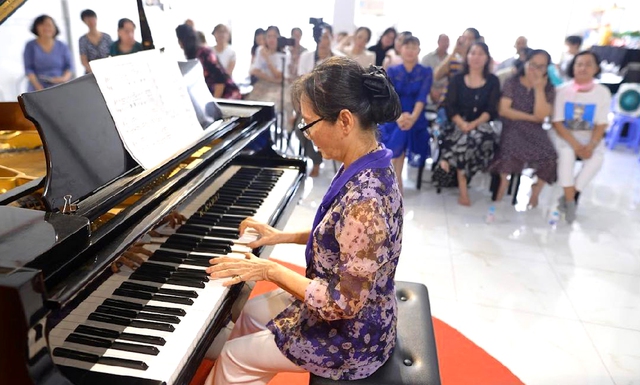
The Classical Era: Balance and Clarity
The Classical period (1750–1820) shifted away from Baroque complexity toward clarity, thematic symmetry, and homophonic elegance. Composers such as Wolfgang Amadeus Mozart, Joseph Haydn, and early Ludwig van Beethoven perfected formal balance and structural discipline.
This period codified the modern symphony orchestra and established standardized compositional architectures, including sonata-allegro form, theme and variations, and rondo form. Classical works emphasize memorable, singing melodic lines supported by transparent chordal accompaniment.
Composers also integrated gradual dynamic gradations, using crescendo and diminuendo to heighten drama and emotional shading. Representative works include Mozart’s Piano Concerto No. 21 in C major, Haydn’s Symphony No. 94 (“Surprise”), and Beethoven’s Symphony No. 5 in C minor.
The Romantic Era: Emotion and Storytelling
The Romantic period (1820–1900) prioritized individual emotional expression, lyrical narrative, and dramatic intensity over strict formal symmetry. Composers such as Frédéric Chopin, Robert Schumann, and Johannes Brahms expanded harmonic vocabulary to convey profound personal sentiment.
Romantic music frequently employs programmatic storytelling, depicting specific literary narratives, pastoral landscapes, or philosophical ideals through orchestral color. The era introduced larger orchestral ensembles and advanced instrumental techniques that highlighted soloist virtuosity.
Stylistic hallmarks include expressive rubato tempo flexibility, wide dynamic contrasts, and rich chromatic harmonies. Landmark pieces include Chopin’s Nocturnes, Schumann’s Kinderszenen, and Brahms’s Symphony No. 4 in E minor.
The Modern Era: Innovation and Experimentation
The Modern era (1900 to present) introduced diverse stylistic movements that challenged conventional tonality and rhythmic structures. Composers broadened expressive boundaries through expanded dissonances, unconventional scales, and novel instrumental combinations.
Impressionist masters Claude Debussy and Maurice Ravel created atmospheric sonic colors through whole-tone scales and extended harmonies. Subsequent 20th-century movements incorporated polyrhythms, neoclassicism, and minimalism. While modern concert repertoire differs markedly from simple beginner piano pop songs, its harmonic innovations continue to influence film scoring and modern music. Essential listening includes Debussy’s Clair de lune, Ravel’s Boléro, and Aaron Copland’s Appalachian Spring.
How to Start Listening to Classical Music Effectively
Effective classical music appreciation requires deliberate, focused listening rather than treating orchestral works as background accompaniment.
Understanding Context: Composer Stories and Historical Background
Exploring composer biographies and historical circumstances deepens musical understanding and emotional connection. Personal struggles, cultural shifts, and philosophical ideals directly influenced each composer’s expressive choices.
Recognizing the historical setting of a composition provides valuable interpretive perspective. For instance, appreciating that Beethoven completed his late string quartets and Ninth Symphony while completely deaf illuminates the triumph of his compositional intellect.
Reviewing program notes or historical overviews before a listening session establishes useful mental reference points for recognizing recurring themes and formal structures.
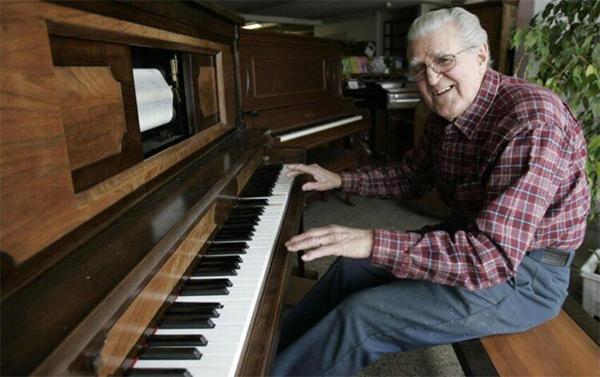
Decoding Terminology: What Are Opus Numbers and K Numbers?
Catalog systems chronologically identify classical compositions within a composer’s complete repertoire. Opus numbers (abbreviated Op.) generally denote the publication order assigned by the composer or publisher, while specialized catalog systems organize specific masterworks systematically.
For example, Ludwig von Köchel compiled Mozart’s complete works into chronological “K.” numbers (such as K. 525 for Eine kleine Nachtmusik). Johann Sebastian Bach’s compositions use BWV (Bach-Werke-Verzeichnis) catalog numbers.
Key structural terms include:
- Symphony: A multi-movement composition scored for full orchestra, typically structured in four movements.
- Concerto: A large-scale work highlighting a solo instrument (such as piano or violin) in dialogue with an orchestra.
- Sonata: A multi-movement instrumental piece written for a solo instrument or solo instrument with keyboard accompaniment.
- Chamber music: Intimate instrumental works composed for small ensembles, such as string quartets or piano trios.
Active Listening Techniques to Identify Instruments and Themes
Active listening focuses conscious attention on specific instrumental colors, motivic development, and structural transformations throughout a performance.
Instrument identification begins with distinguishing the distinct timbres of the four primary orchestral families: strings (violin, viola, cello, double bass), woodwinds (flute, oboe, clarinet, bassoon), brass (trumpet, French horn, trombone, tuba), and percussion (timpani, cymbals).
Theme recognition involves tracking a primary musical idea as it is introduced, modulated, developed, and recapitulated. Listeners can follow these active listening strategies:
- Score following: Observing written sheet music notation while listening to track instrumental voices.
- Repeated exposure: Listening to a single movement multiple times to grasp underlying counterpoint.
- Comparative listening: Evaluating interpretations by different conductors or soloists on the same piece.
- Voice isolation: Focus specifically on the bassline or inner voices rather than solely the top melody.
Creating a Personal Playlist: Where to Start with Famous Pieces
Curating a personal listening library should begin with accessible, melodically driven works that represent diverse periods and instrumental textures. Shorter pieces and individual movements allow new listeners to build familiarity before exploring complete symphonies.
Recommended starting selections include:
- Bach: Brandenburg Concerto No. 5 in D major, BWV 1050 (First Movement)
- Mozart: Eine kleine Nachtmusik, K. 525 (First Movement)
- Beethoven: Symphony No. 5 in C minor, Op. 67 (First Movement)
- Chopin: Nocturne in E-flat major, Op. 9, No. 2
- Debussy: Suite bergamasque: III. “Clair de lune”
Organizing playlists by mood, historical period, or instrumentation (solo piano, string quartet, full symphonic orchestra) helps train the ear to discern varying textures.

Taking Appreciation Further with PrivatePianoLessons
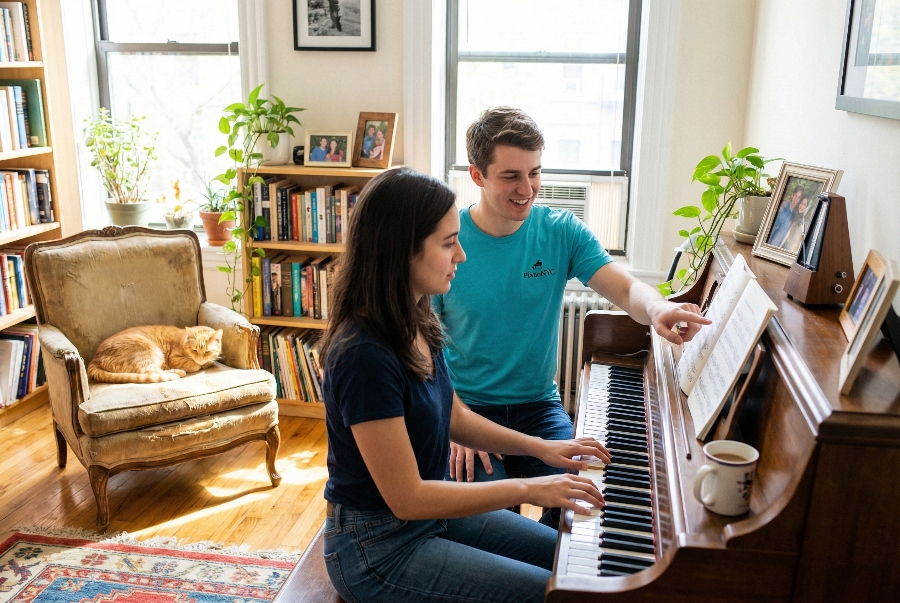
Transitioning from passive listening to active playing provides the deepest level of musical appreciation. PrivatePianoLessons delivers personalized, in-home piano instruction directly to adult and senior learners across New York City.
How Learning an Instrument Deepens Music Appreciation
Playing an instrument transforms musical theory into a tangible physical discipline involving tactile touch, rhythmic coordination, and interpretive phrasing. This direct interaction reveals structural intricacies that remain hidden during passive listening.
The piano offers an ideal foundation because it encompasses melody, harmony, and rhythm simultaneously. Whether evaluating pedagogical methods like Suzuki vs traditional piano or standard conservatory approaches, keyboard study clarifies voice leading, counterpoint, and harmonic progressions directly beneath the fingers.
Auditory neuroscience research from Northwestern University shows that instrumental training improves pitch discrimination, temporal processing, and speech perception in older adults, delivering valuable neurocognitive benefits.
Why Choose Private Piano Lessons at New York City for Seniors
Private piano instruction provides the individualized pacing, physical adaptability, and customized attention essential for mature students. One-on-one lessons adapt precisely to individual goals and physical comfort.
PrivatePianoLessons brings elite instruction directly to students’ homes across all five boroughs of New York City: Manhattan, Brooklyn, Queens, The Bronx, and Staten Island. In-home lessons eliminate subway commutes and transit stress for retirees. Our students access dedicated piano lessons for retirees NYC with flexible daytime scheduling between 07:00 and 21:00, including convenient piano lessons Staten Island residents can enjoy with 0 USD travel fees.
The PrivatePianoLessons Approach for Senior Beginners
PrivatePianoLessons designs tailored senior curricula that balance classical fundamentals with meaningful repertoire. All 48 faculty members hold a Bachelor of Music degree or higher, with 19 possessing master’s or doctoral degrees from leading conservatories.
Our teaching philosophy prioritizes musical understanding and ergonomic comfort over rigid perfectionism. Lessons incorporate music history, compositional analysis, and practical theory at a comfortable, supportive pace.
Specialized senior accommodations include:
- Large-print sheet music for effortless visual tracking.
- Ergonomic posture adjustments to prevent neck, back, or shoulder strain.
- Customized fingering solutions to accommodate arthritis or reduced joint mobility.
- Gentle 5-minute warm-ups to prepare hands and wrists before repertoire practice.
- Complimentary 30-minute in-home assessment to evaluate student goals and instrument setup.
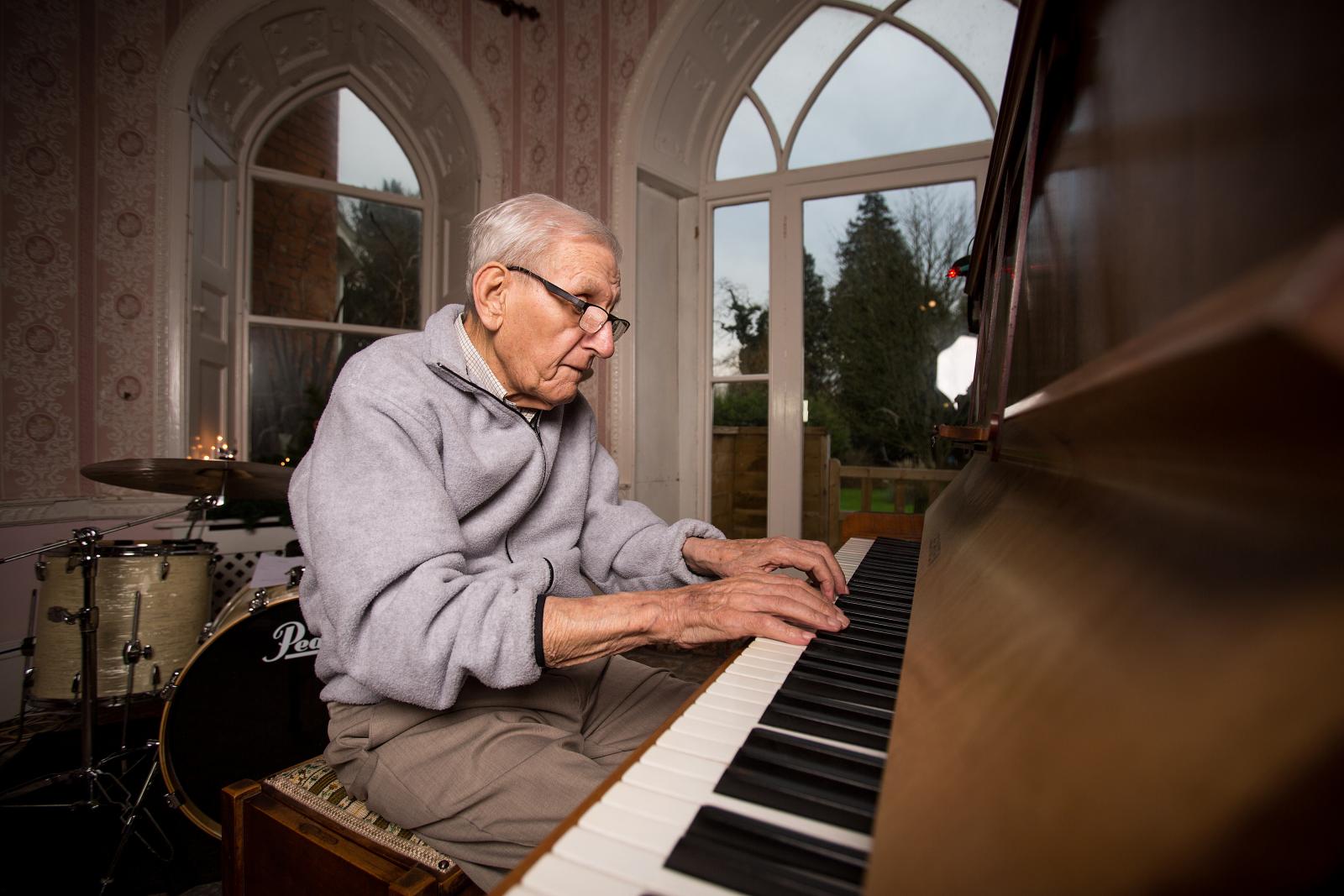
Simple Ideas to Improve Your Enjoyment Daily
Integrating classical music into everyday routines requires minimal time while delivering significant cognitive and emotional enrichment.
Establish a morning listening habit to start the day with focus. Energetic works like Bach’s Brandenburg Concertos or Mozart’s keyboard sonatas provide inspiring accompaniment during breakfast or morning reading.
Create relaxing evening playlists featuring contemplative compositions such as Chopin’s Nocturnes, Erik Satie’s Gymnopédies, or Debussy’s preludes to support peaceful sleep transitions.
Incorporate classical recordings as thoughtful accompaniment for daily activities, including cooking, gardening, or walking, matching the tempo of the music to your movement.
Practice 15 to 20 minutes of dedicated, distraction-free active listening daily using quality over-ear headphones to clearly discern orchestral counterpoint and dynamic details.
Attend live acoustic performances at local concert halls whenever possible, experiencing orchestral and piano repertoire in professional acoustic settings.
Recommended Resources and Courses for Continued Learning
Expanding classical music literacy is supported by authoritative digital libraries, print references, and premier cultural institutions throughout New York City.
Online Resources:
- IMSLP / Petrucci Music Library: Comprehensive public-domain sheet music database and historical orchestral score archive.
- Classical Music Streaming Services: High-resolution digital platforms featuring curated composer catalogs and expert liner notes.
- Online Conservatory Lectures: Digital open-course lectures covering music analysis and Western music history.
- Music Theory Reference Portals: Interactive web tools explaining notation, intervals, and harmonic progressions for adult beginners.
Print Resources:
- Guided Listening Handbooks: Educational appreciation guides such as Aaron Copland’s What to Listen for in Music.
- Composer Biographies: Comprehensive historical volumes examining the social and cultural eras of major composers.
- Concert Program Anthologies: Collections of analytical program notes detailing symphonic and chamber works.
- Music Periodicals: Respected classical music journals providing performance reviews and historical analysis.
Local NYC Resources:
- Lincoln Center for the Performing Arts: Pre-concert talks, open rehearsals, and educational seminars at David Geffen Hall and Alice Tully Hall.
- The Metropolitan Museum of Art: The André Mertens Galleries for Musical Instruments, featuring historic keyboard and string instruments.
- New York Public Library for the Performing Arts: Circulating music scores, historic listening archives, and research assistance at Lincoln Center.
- Local Community Cultural Centers: Neighborhood lecture series and classical listening discussion groups for older adults.
Professional Development:
- PrivatePianoLessons In-Home Instruction: Personalized private piano lessons, repertoire coaching, and advanced piano lessons NYC delivered across all five NYC boroughs.
- Bi-Annual Studio Recitals: Optional, supportive performance gatherings held every June and December in Manhattan for students to share their repertoire.
- RCM and ABRSM Exam Preparation: Structured curriculum support for adult learners wishing to complete formal grade examinations.
Frequently Asked Questions About Classical Music for Seniors
Is It Too Late to Start Learning About Classical Music at Age 65+?
Age presents no barrier to developing a deep appreciation for classical music. Older adults possess mature life experience and refined pattern recognition that enrich musical interpretation. Many seniors discover that studying classical repertoire provides meaningful intellectual stimulation and cultural satisfaction throughout retirement.
How Much Time Should I Spend Listening to Classical Music Daily?
Spending 15 to 30 minutes in focused, active listening daily provides substantial cognitive and emotional benefits. Mindful listening to a single movement or short piano work with undivided attention cultivates musical literacy far more effectively than hours of passive background playback.
What Equipment Do I Need for Optimal Classical Music Listening?
A well-balanced pair of over-ear headphones or quality stereo speakers provides the optimal classical listening experience. Dedicated audio equipment reveals subtle dynamic shading, orchestral instrument separation, and harmonic details that are lost on small smartphone or tablet speakers.
Can Classical Music Really Improve Cognitive Function in Seniors?
Scientific research confirms that active classical music engagement supports cognitive function and neural plasticity in seniors. Tracking multi-voiced counterpoint and thematic developments exercises working memory, sharpens attention span, and strengthens mental agility in the aging brain.
PrivatePianoLessons – Premium In-Home Private Piano Instruction Across New York City
Address: 817 W End Ave, New York, NY 10025, USA
Phone: +1 (917) 903-2146
Email: [email protected]
Website: https://privatepianonyc.com
