

Piano improvisation allows you to translate raw emotions into spontaneous music without depending strictly on written sheet music. Many beginner pianists mistakenly view improvisation as an elusive talent reserved exclusively for seasoned jazz virtuosos. In reality, improvisation is a learnable, structured skill grounded in straightforward music theory, physical keyboard geography, and active ear training.
This beginner guide provides an actionable improvisation toolkit to build creative confidence from your very first session. You will learn to construct simple harmonic progressions, navigate the C Major scale safely, and apply rhythmic variations to create melodic phrasing. Whether you come from a classical background or are learning piano for the first time, these practical exercises establish musical freedom within a reliable structure.
Understanding Piano Improvisation for Beginners
What is improvisation and its starting difficulties?
Piano improvisation is the art of composing spontaneous music in real time using structured harmonic and melodic guidelines. Beginners often struggle because they treat improvisation as haphazard key pressing rather than organized creative expression.
Beginner improvisation difficulties typically stem from 3 primary factors:
- Incomplete knowledge of foundational chord progressions and voice leading
- Unfamiliarity with scale-degree relationships across the keyboard
- Insufficient practice with steady tempo control and rhythmic subdivisions
Putting the cart before the horse: Debunking common myths
A widespread misconception surrounding private piano improvisation is that fluency requires decades of formal classical training or innate musical genius. Accomplished musicians in the New York City music scene construct compelling solos using the exact same fundamental building blocks available to beginners.
Common myths about piano improvisation include:
- Improvisation requires random experimentation without theoretical rules
- Extensive collegiate-level music theory is required before playing a single solo
- Only jazz musicians possess the techniques needed to improvise convincingly
- Classical pianists cannot learn contemporary, pop, or blues improvisation

Developing freedom within a structure
Creative freedom at the piano emerges when you establish intentional musical constraints. Think of improvisation as structured spontaneity, where you invent original melodies above a predetermined harmonic framework.
Musical structure supports your improvisation by providing:
- A harmonic foundation through predictable chord progressions
- A melodic roadmap through defined scale patterns and key centers
- Rhythmic boundaries that maintain steady groove, timing, and pulse
The Essential Improv Toolkit to Start Improvising on Piano
Building a foundation with Chord Patterns
Chord progressions provide the harmonic foundation for all keyboard improvisation. A reliable starting point for beginners is the vi–V–IV–V progression in C Major (Am–G–F–G). While practicing these left-hand accompaniments, maintain proper piano posture to keep your wrists flexible, reduce muscular strain, and ensure fluid hand mobility.
Essential chord accompaniment variations include:
- Arpeggiated open tenths for a warm, resonant left-hand bass texture
- Smooth chord inversions that minimize awkward hand jumps across keys
- Rhythmic pulsing patterns that create dynamic forward momentum
Spreading chord tones across multiple octaves creates a full, balanced accompaniment that supports your right-hand melodies.
Using the C Major Scale as your safe space
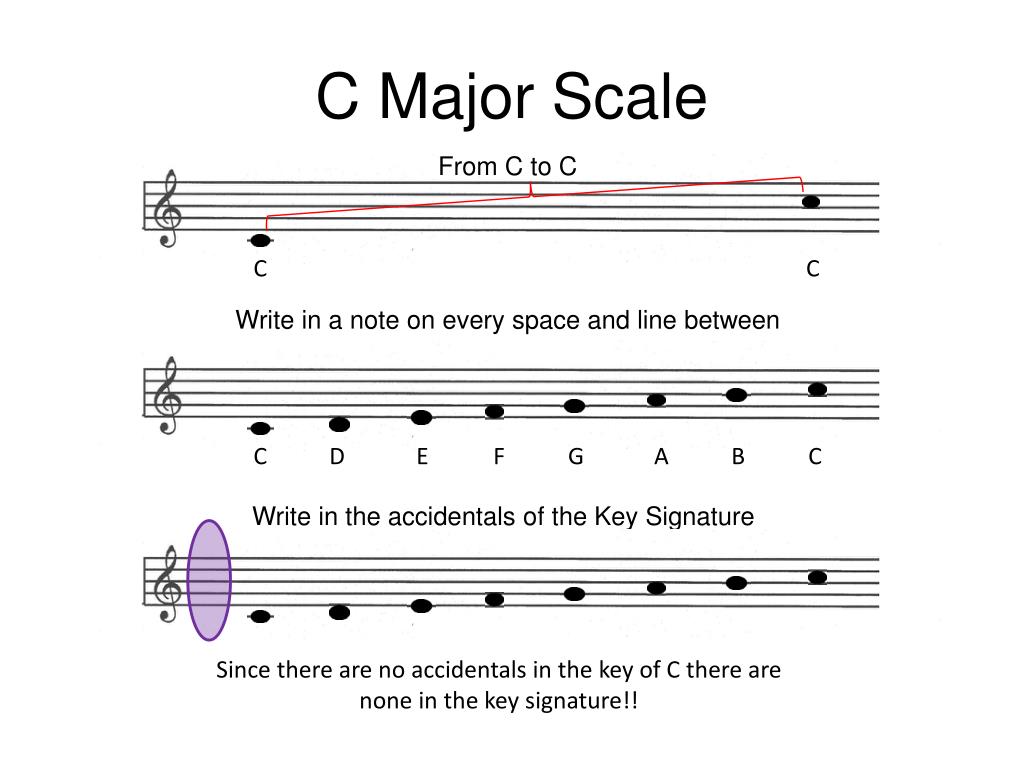
The C Major scale serves as the most accessible safe space for beginner improvisation because it contains zero sharps and zero flats. Navigating exclusively on white keys allows you to focus entirely on note choice, rhythm, and phrasing without worrying about complex key signatures.
Key advantages of using the C Major scale include:
- Every note harmonizes naturally over primary diatonic chords in C Major
- Intuitive finger patterns that reinforce consistent muscle memory
- Clear visual reference points across the entire 88-key keyboard
- Direct transferability to other major and minor diatonic scales later
Rhythm Plus Groove: The importance of timing
Rhythm transforms basic scale exercises into expressive musical statements. Altering note values, rests, and accents changes the emotional character of a melody without altering a single pitch. To internalize steady subdivisions, learning how to practice with metronome clicks at comfortable tempos is an essential step for every developing improviser.
Core rhythmic tools for melodic improvisation include:
- Flowing eighth-note runs that establish steady melodic continuity
- Syncopated off-beat accents that introduce a modern, soulful groove
- Strategic rests and silence that give musical phrases room to breathe
Understanding the role of Left Hand vs Right Hand
Successful piano improvisation requires clear role distribution between both hands. Dividing musical duties prevents hand confusion and establishes a transparent balance between harmony and melody.
Primary left-hand responsibilities include:
- Voicing harmonic chord changes on primary downbeats
- Maintaining steady basslines that anchor the rhythmic pulse
- Executing arpeggiated figures to provide dynamic background texture
Primary right-hand functions include:
- Crafting expressive melodies using targeted scale and chord tones
- Applying rhythmic variations, syncopations, and decorative grace notes
- Shifting between keyboard registers to alter emotional intensity
Step-by-Step Exercises to Begin Improvising Today
Exercise 1: Improvise with just 3 notes
Limit your right-hand melodic choices to 3 consecutive notes: C, D, and E. Imposing tight constraints removes the fear of wrong notes and forces you to explore rhythmic variety and phrasing shape.
Follow these practice steps:
- Sustain a low C major triad in your left hand while playing melodies using only C, D, and E in your right hand.
- Vary your note durations by mixing quarter notes, half notes, and eighth notes into clear musical sentences.
- Record your session on a smartphone to review melodic structure, note spacing, and phrasing consistency.

Exercise 2: Creating melodies over a single chord
Establish a steady harmonic drone by playing a C Major chord in the left hand, then improvise melodies using the 5-note C major pentachord (C, D, E, F, G). This exercise builds melodic intuition within a stable tonal center.
Essential techniques for this exercise include:
- Targeting chord tones (C, E, and G) on strong downbeats to establish harmonic stability
- Using passing tones (D and F) in stepwise motion to connect chord tones smoothly
- Formulating balanced two-measure question phrases that resolve into two-measure answer phrases
Exercise 3: Using Rhythmic Variations Plus Embellishments
Transform standard melodic lines by incorporating rhythmic shifts and expressive pitch ornaments. Applying fresh rhythmic feels to basic phrases makes simple note combinations sound sophisticated and polished.
Effective melodic embellishment techniques include:
- Half-step chromatic slides into primary chord tones from a semitone below
- Upper and lower neighbor tones that encircle target notes before landing
- Crisp grace notes executed just before the beat for stylistic flair
Exercise 4: Switching Octaves to change the mood
Octave displacement alters the timbre and emotional weight of identical musical phrases. Playing a melody in different registers demonstrates how pitch height influences musical narrative.
Expressive qualities across keyboard registers include:
- Higher registers create bright, delicate, and bell-like textures.
- Middle registers provide warm, lyrical, and vocal-like qualities suitable for central themes.
- Lower registers generate dark, dramatic, and powerful declarations that heighten tension.
Practical Tips to Enhance Your Improvisation Skills
Constraints lead to creativity
Deliberate limitations stimulate genuine musical creativity far more effectively than complete freedom. Setting specific constraints for each practice block focuses your ear on specific expressive elements.
Practical practice constraints include:
- Improvising an entire two-minute solo using a maximum of 4 distinct pitches
- Restricting rhythmic values strictly to quarter notes and quarter rests
- Playing exclusively on off-beats while keeping your left-hand bass on downbeats
Work off something you already know
Developing improvisation skills by embellishing familiar melodies is much easier than inventing themes from scratch. Known tunes offer dependable harmonic roadmaps that let you focus on stylistic variation.
Excellent starting melodies include:
- Traditional folk tunes such as “Twinkle, Twinkle, Little Star” or “Scarborough Fair”
- Standard contemporary pop progressions, such as the classic I–V–vi–IV progression
- Familiar classical themes, including Beethoven’s “Ode to Joy”
Listen to the masters and sing along
Active listening and vocalization accelerate melodic fluency faster than mechanical finger drills. Singing what you intend to play connects your inner ear directly to your fingers on the keyboard.
Actionable listening strategies include:
- Singing improvised solos along with recordings of master keyboardists like Bill Evans or Justin Stanton
- Transcribing short 2-measure phrases by ear and replicating them on the keys
- Analyzing how professional improvisers leave rests to create musical anticipation
Finding your “Pocket” in music
Finding your musical “pocket” means developing an unwavering internal clock where your notes align naturally with the underlying groove. Consistent timing ensures your improvisations feel relaxed, authoritative, and expressive.
Techniques to solidify your groove include:
- Practicing with drum loops across varied tempos ranging from 60 to 100 BPM
- Recording your playing alongside a metronome clicking strictly on beats 2 and 4
- Focusing on relaxed physical execution so your fingers never rush ahead of the beat
Taking Your Skills Further with PrivatePianoLessons
Transitioning from Classical training to Jazz and Pop improv
Classical pianists possess remarkable finger dexterity, music reading fluency, and tone control, providing a strong foundation for improvisation. Transitioning to contemporary styles requires shifting focus from strict sheet music reproduction to chord-chart literacy and syncopated grooves. Cultivating new musical styles is an enriching journey at any stage of life, as seen in the customized programs for music for seniors NYC learners enjoy across the city.
Key crossover competencies include:
- Reading lead sheets and interpreting standard jazz chord symbols
- Mastering swing eighth notes, syncopation, and rhythmic anticipation
- Building chord voicings using seventh chords, ninths, and tensions
Why choose Private Piano Lessons at New York City for personalized guidance
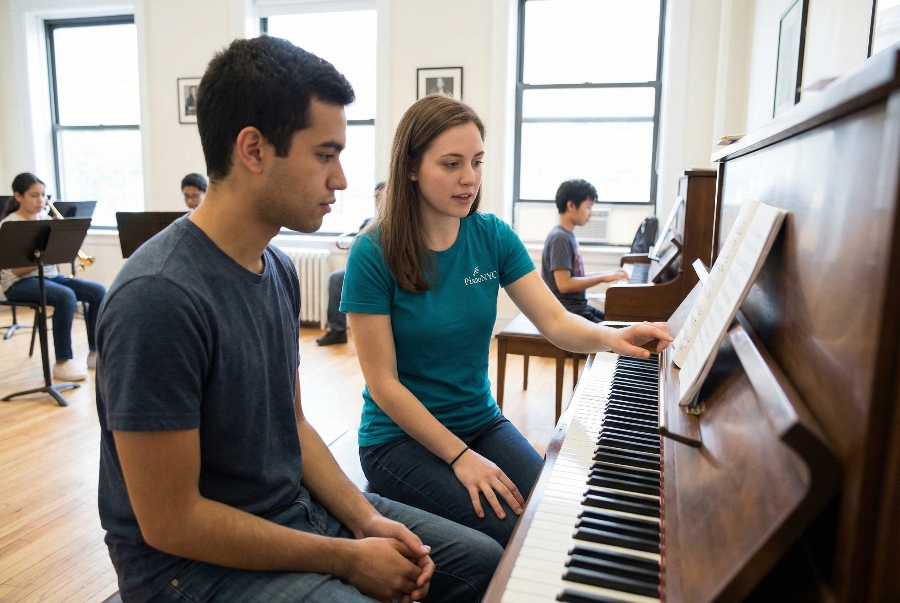
PrivatePianoLessons provides personalized 1-on-1 piano lessons delivered directly in your home across all five New York City boroughs: Manhattan, Brooklyn, Queens, The Bronx, and Staten Island. Founded on May 12, 2010, by pianist and pedagogue James Harrison, our administrative dispatch office is located at 817 W End Ave, New York, NY 10025. If you want to find piano teacher NYC families rely on for tailored improvisation instruction, our in-home model ensures seamless musical progression on your own instrument.
Our in-home instruction provides distinct advantages:
- A matched faculty member selected from our team of 48 degreed instructors (100% holding a Bachelor of Music or higher, with 19 holding Master’s or Doctorate degrees)
- Tailored lessons conducted 7 days a week from 07:00 to 21:00 with $0 travel fees across all 5 boroughs
- A structured 8-level curriculum integrating classical technique, chord theory, and contemporary improvisation
- A complimentary 30-minute in-home assessment to evaluate your piano, current skill level, and personal goals
Whether you need an experienced piano teacher Bronx residents trust or an instructor in Manhattan or Queens, PrivatePianoLessons delivers expert musical education to your living room.
Experimenting with different styles and moods
Advanced improvisation involves adapting melodic patterns and chord voicings across diverse musical genres. Exploring multiple traditions expands your harmonic vocabulary and stylistic versatility.
Key styles to explore include:
- Blues improvisation using minor pentatonic runs, dominant 7th chords, and expressive blue notes
- Jazz improvisation applying rootless voicings, modal scales, and ii–V–I turnaround progressions
- Latin piano incorporating syncopated montuno patterns and dynamic polyrhythmic basslines
- Contemporary pop utilizing broken-chord arpeggiation, ostinato patterns, and ambient pedal textures
Common Questions About Starting Piano Improvisation
How long does it take to learn basic piano improvisation?
Learning basic piano improvisation typically takes 8 to 12 weeks of structured daily practice. Progress depends on your existing keyboard familiarity, understanding of basic triads, and dedicated practice time of 15 to 30 minutes per day. Following a progressive step-by-step framework ensures tangible results within your first three months.
Can I learn improvisation without reading music?
Yes, you can learn piano improvisation without reading traditional sheet music notation. Many successful improvisers navigate the keyboard using ear training, chord symbols, and physical keyboard patterns. While reading sheet music is not required, learning basic chord symbols and scale constructions accelerates your ability to communicate with other musicians.
What equipment do I need for practicing improvisation?
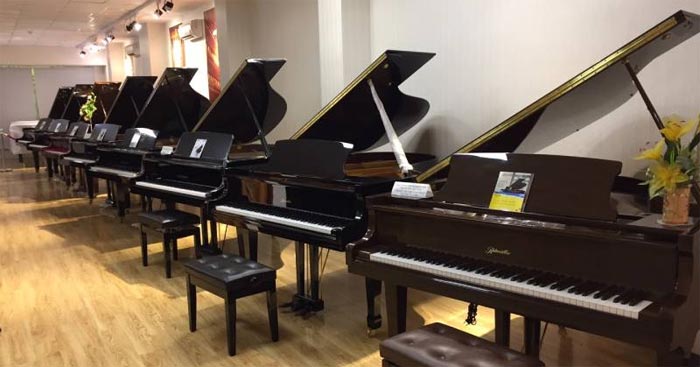
Practicing improvisation requires an acoustic piano or an 88-key digital piano with weighted keys, along with a metronome, a recording device, and backing tracks. For acoustic instruments, scheduling the biannual piano tuning NYC technicians recommend maintains proper A440 concert pitch, ensuring your pitch recognition develops accurately. A sturdy music stand for chord charts and a sustain pedal complete your practice setup.
Should I focus on one musical style when starting improvisation?
Yes, beginners should concentrate on a single musical style to establish foundational confidence. Contemporary pop or standard 12-bar blues are ideal starting points due to their repetitive chord cycles and accessible scale structures. Once you master basic melodic construction in one style, transferring those techniques to jazz or classical improvisation becomes significantly easier.
How do I overcome fear of making mistakes while improvising?
You can overcome the fear of making mistakes by treating unintended notes as chromatic passing tones and resolving them by a half step. In musical improvisation, any “wrong” pitch is only a semitone away from a harmonic chord tone. Keeping your rhythmic momentum steady and resolving unexpected notes into neighboring chord tones turns accidental slips into intentional musical phrasing.
