
Busy New York City lifestyles demand efficient rehearsal strategies that maximize artistic progress within limited schedules. Professional private piano lessons in NYC through PrivatePianoLessons provide structured frameworks for integrating consistent music education into demanding urban routines.
Practical Ways to Sneak Piano Rehearsal into a Busy Schedule
Fitting piano rehearsal into an active urban calendar requires deliberate micro-practice techniques, travel-time visualization, and predictable daily scheduling.
Divide Practice Lessons into Small 10-Minute Sessions
Dividing daily practice into 10-minute focused intervals accelerates technical skill acquisition through targeted repetition and rapid neuromuscular adaptation.
- Morning sessions: Establish muscle memory and finger dexterity through technical exercises, scales, and finger warmups. These gentle technical drills provide safe physical conditioning for playing piano with arthritis.
- Lunch break study: Target complex musical passages, rhythmic transitions, and isolated fingering patterns using deliberate repetition techniques.
- Evening sessions: Develop expressive phrasing, dynamic contouring, and interpretive nuances after workday obligations conclude.
Strategic micro-learning sessions maintain continuity between weekly in-home appointments with your PrivatePianoLessons instructor while accommodating unpredictable New York work schedules.
Utilize NYC Commute Time for Audio and Mental Preparation
Metropolitan transit periods across subway lines, express buses, and walking routes provide uninterrupted opportunities for auditory analysis and cognitive score study.
- Subway listening sessions: Sharpen aural comprehension and stylistic nuance through critical listening to classical interpretations, left hand jazz patterns, and concert repertoire.
- Bus ride theory study: Deepen harmonic comprehension by analyzing lead sheets, Roman numeral chord progressions, and structural voice leading on digital scores.
- Walking visualization drills: Reinforce tactile memory and fingerings through mental rehearsal techniques while commuting along city streets.
Cognitive rehearsal without an instrument activates identical motor cortex pathways, enabling New York commuters to transform travel transit into measurable musical advancement.
Establish a Consistent Routine Before or After Your 9-5 Job
Anchoring piano rehearsal to fixed daily hours eliminates decision fatigue and establishes an automated practice habit before or after corporate workdays. Just as structured routines help parents motivate child to practice piano, adult learners thrive when dedicating specific, recurring blocks on their calendar:
- 6:30–6:45 AM morning sessions: Capitalize on peak mental clarity and quiet apartment hours to conquer foundational drills before workplace interruptions begin.
- 7:00–7:20 PM evening sessions: Decompress from corporate stress through expressive playing, chord progressions, and meditative repertoire review.
- Weekend 30-minute focus blocks: Deepen interpretive mastery and complex polyphonic counterpoint, including baroque ornamentation when playing Bach on piano.
Regular 15-minute daily commitments consistently yield superior muscle memory and artistic retention compared to infrequent two-hour weekend rehearsal blocks.
Optimizing Efficiency for Private Piano Lessons in New York City
PrivatePianoLessons maximizes rehearsal efficiency by delivering customized 1-on-1 piano lessons directly to student residences across all 5 boroughs—Manhattan, Brooklyn, Queens, The Bronx, and Staten Island—with 0 USD in travel fees. Headquartered at 817 W End Ave, New York, NY 10025 on the Upper West Side, our coordination team schedules professional faculty between 07:00 and 21:00 Monday through Sunday, eliminating commute friction so students focus entirely on musical progress.
Minimize Distractions to Maximize Focus During Short Intervals
Eliminating environmental distractions during brief rehearsal sessions optimizes working memory and dramatically accelerates technical retention.
- Silence digital notifications: Place mobile devices in Do Not Disturb mode to protect uninterrupted cognitive focus during deliberate practice.
- Establish a dedicated practice space: Position an acoustic piano or 88-key digital instrument with weighted keys in a quiet room to create clear psychological practice boundaries.
- Set singular session goals: Target one measurable technical milestone, such as mastering a 4-bar transition, rather than running through entire pieces aimlessly.
Adult students who implement structured, distraction-free rehearsal intervals report significantly faster repertoire completion compared to unfocused practice sessions.
Prioritize Quality of Practice Over Quantity of Hours
Prioritizing deliberate practice quality over raw repetition hours builds precise neuromuscular mapping and prevents ingrained physical errors.
- Master tempos at slow speeds: Rehearse intricate passages at half-tempo with a metronome to establish impeccable rhythmic control and hand coordination.
- Diagnose and isolate friction points: Identify specific fingering hurdles immediately and apply targeted corrective drills rather than restarting pieces from the beginning.
- Progress in incremental stages: Increase tempo by 2 to 4 beats per minute only after executing three consecutive flawless repetitions.
Devoting 15 to 20 minutes to rigorous, deliberate rehearsal produces far greater artistic reliability than an unfocused hour at the keyboard.
Set Realistic Goals with Your PrivatePianoLessons Instructor
Collaborating with an experienced PrivatePianoLessons instructor establishes structured milestones tailored to demanding executive work schedules.
- Establish weekly milestone targets: Define clear technical and repertoire objectives designed to fit your available rehearsal hours between lessons.
- Align curriculum to personal interests: Select classical, jazz, or contemporary repertoire that inspires ongoing engagement within the 8-level PrivatePianoLessons curriculum.
- Track progress every 12 weeks: Review formal quarterly progress assessments to evaluate sight-reading, technique, dynamic expression, and upcoming recital readiness.
Your PrivatePianoLessons instructor crafts personalized home practice roadmaps that ensure steady advancement while accommodating demanding professional obligations.
The Benefits of Learning Piano for the Busy New Yorker Lifestyle
Studying piano offers urban professionals profound cognitive, psychological, and cultural rewards that balance the intense pressures of New York City living.
Enhanced Cognitive Abilities for Professional Performance
Piano training enhances high-level executive cognitive functions directly transferable to high-stakes professional environments. While developmental studies highlight piano benefits for child development, cognitive neuroscience confirms that adult brains experience continuous structural neuroplasticity through instrumental study:
- Expanded working memory: Reading dual staves simultaneously while coordinating independent hands sharpens rapid multitasking capacity in analytical careers.
- Accelerated pattern recognition: Decoding complex harmonic chord structures strengthens strategic problem-solving skills across corporate and financial fields.
- Sustained attention span: Navigating intricate musical scores trains the prefrontal cortex to maintain deep focus through complex workplace challenges.
Adult students taking in-home piano lessons Manhattan consistently report sharpened workplace focus and enhanced creative analytical thinking.
Stress Reduction and Mental Health Benefits
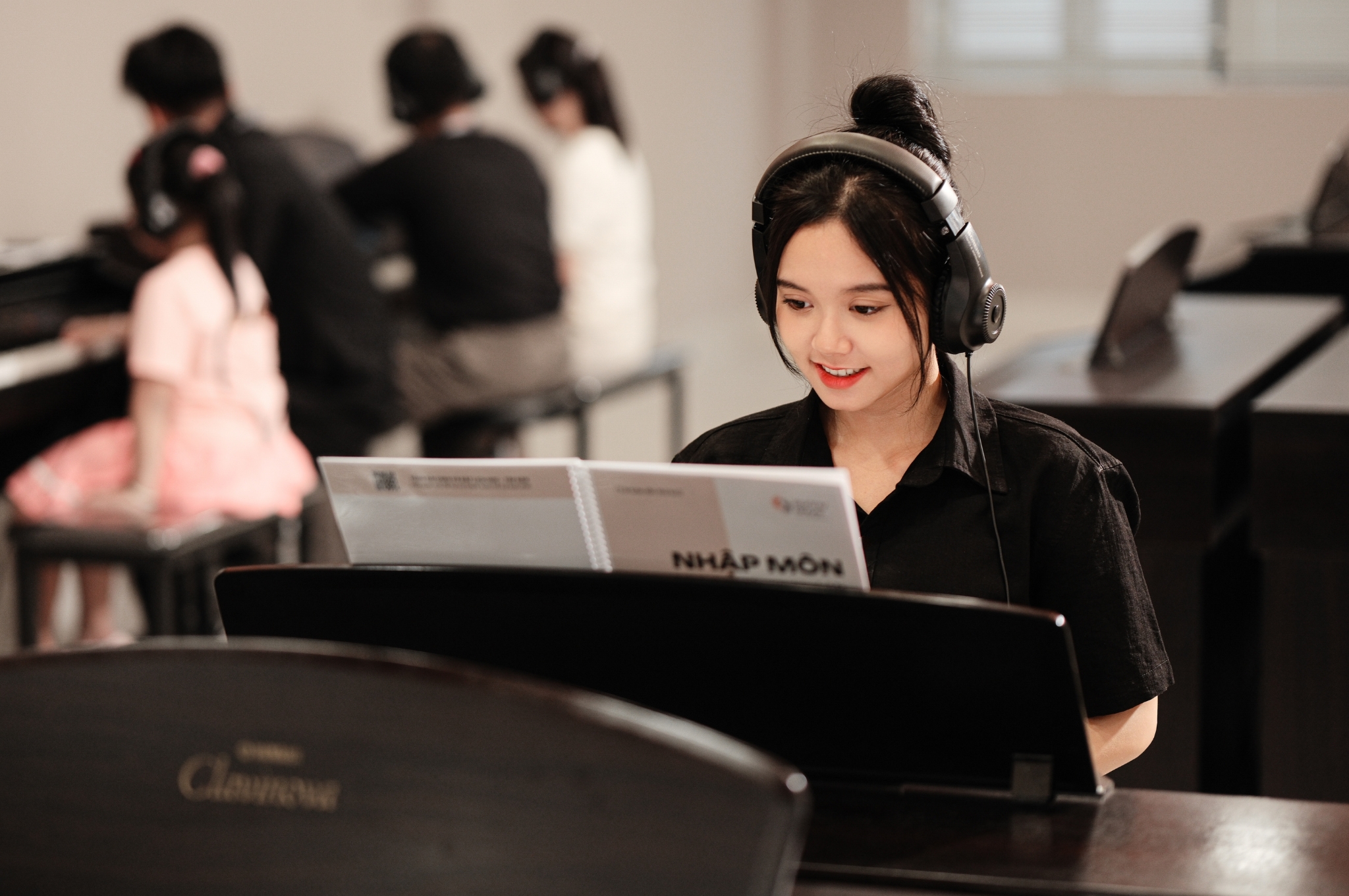
Engaging in structured piano study provides immediate neurological relief from fast-paced urban pressures by activating calming parasympathetic responses.
- Cortisol reduction: Immersing attention in acoustic sound production lowers physiological stress hormones and stabilizes blood pressure.
- Flow-state induction: Navigating technical patterns and expressive passages induces an active meditative state that silences intrusive daily worries.
- Emotional expression: Interpreting musical phrasing provides a healthy, non-verbal emotional outlet after high-stress business hours.
Adult piano students frequently report noticeable reductions in work-related tension within 4 to 6 weeks of establishing regular practice habits.
Social and Cultural Enrichment Opportunities
Developing piano performance skills connects adult learners directly to New York City’s legendary musical heritage and artistic community.
- Bi-annual recitals: Perform voluntary solos in supportive June and December student showcases hosted at premier Manhattan concert venues.
- Enriched live concert appreciation: Listening to Lincoln Center symphonies or Village jazz performances becomes exponentially richer through firsthand instrumental insight.
- Collaborative artistic networking: Connect with fellow adult learners and musicians across New York’s cultural circles through shared musical passion.
Mastering keyboard skills deepens your personal connection to New York’s artistic fabric while creating enduring cultural relationships.
Frequently Asked Questions About Piano Study
How does piano study enhance cognitive abilities for NYC professionals?
Piano study enhances cognitive abilities for NYC professionals by expanding working memory capacity, accelerating complex pattern recognition, and strengthening sustained attention spans. Navigating polyphonic music requires real-time bimanual coordination and dual-clef score analysis, which stimulates neuroplasticity across the motor cortex and prefrontal regions. Manhattan executives, attorneys, and tech specialists who maintain regular piano rehearsal consistently report superior focus during multi-layered corporate projects, sharper problem-solving agility, and greater creative endurance under professional pressure.
Can learning piano help reduce stress from a busy urban lifestyle?
Yes, learning piano effectively reduces urban lifestyle stress by lowering circulating cortisol levels, inducing a focused meditative flow state, and providing an expressive emotional outlet. Concentrating on acoustic touch, rhythm, and tone pulls the nervous system away from sympathetic fight-or-flight triggers into parasympathetic relaxation. Adult students who practice 15 to 20 minutes daily typically experience noticeable improvements in mental calm and emotional renewal within 4 to 6 weeks of beginning structured study.
