

Moving a piano in New York City requires specialized technical expertise and heavy-duty equipment. Professional instrument movers protect the structural integrity and internal mechanisms of your instrument during transit, ensuring it arrives safely so your private piano lessons NYC experience can proceed without interruption.
Why Hiring Professional Instrument Relocation Services in NYC is Crucial
Piano moving requires specialized mechanical knowledge that standard household movers lack. Acoustic pianos weigh between 136 and 544 kg (300 to 1,200 lb) and contain over 10,000 moving components under thousands of pounds of collective string tension. Professional handling safeguards both the delicate action mechanism and the surrounding architectural structures during transport.
The Risks of DIY Instrument Relocation
Attempting to move an instrument without professional equipment creates severe physical and property risks. The extreme weight of an upright or grand piano can cause serious personal injuries, including lumbar strains, herniated discs, and fractures. Furthermore, navigating narrow hallways and tight brownstone staircases risks gouging hardwood floors, puncturing drywall, and damaging doorframes.
Improper handling also disrupts internal acoustic assemblies. Uneven distribution of force can crack the spruce soundboard, warp the pinblock, misalign the action hammers, or fracture cast-iron plate bridges under high tension. Entrusting the relocation to certified specialists protects your investment so you can concentrate on your musical development, such as mastering how to memorize piano music effectively.
Ensuring Instrument Safety for Your Private Music Lessons
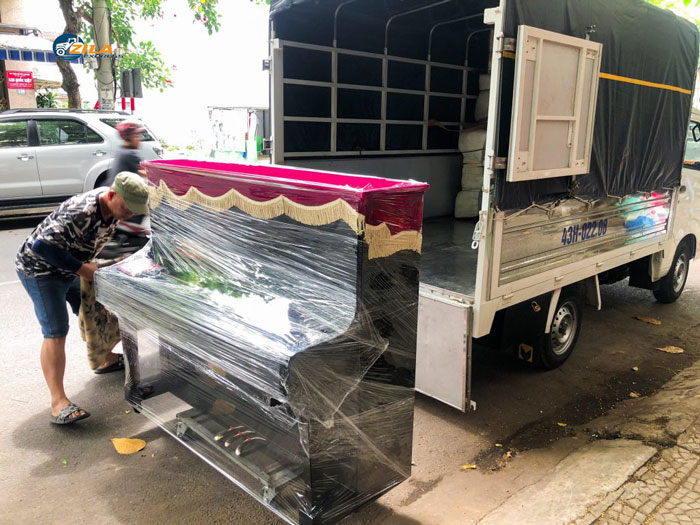
Specialized instrument movers use custom equipment, including heavy-duty piano skid boards, four-wheel dollies, quilted moving blankets, and high-tensile locking straps. Movers balance weight distribution and calculate leverage points to navigate tight corners without twisting the instrument case. This technical care ensures that your instrument remains structurally sound for ongoing in-home instruction with PrivatePianoLessons.
Proper transit techniques also preserve tuning stability and mechanical regulation. While every acoustic piano requires environmental settling after moving, professional shock absorption prevents extreme tension loss across the strings. Maintaining your instrument in peak playing condition provides the responsive touch and tonal accuracy required for advanced studies, including learning how to improvise on piano.
Comprehensive Relocation Services in New York City
NYC instrument movers provide specialized logistics tailored to the architectural challenges of the five boroughs. Services range from local five-borough apartment transfers to complex high-rise rigging operations.
Local or Long Distance Musical Instrument Moving
Local moves across Manhattan, Brooklyn, Queens, The Bronx, and Staten Island typically range from $300 to $800 USD for standard uprights. When relocating between neighborhoods or boroughs, having your instrument safely transported ensures that in-home piano lessons Manhattan continue without interruption. Dedicated movers navigate narrow pre-war corridors, strict building service elevator schedules, and tight street parking regulations.
Interstate and long-distance relocations require climate-controlled transport vehicles equipped with air-ride suspension. Long-distance moving costs generally range between $1,200 and $3,000 USD depending on mileage, route accessibility, and piano dimensions.
Instrument Hoisting and Crane Services for High-Rise Apartments
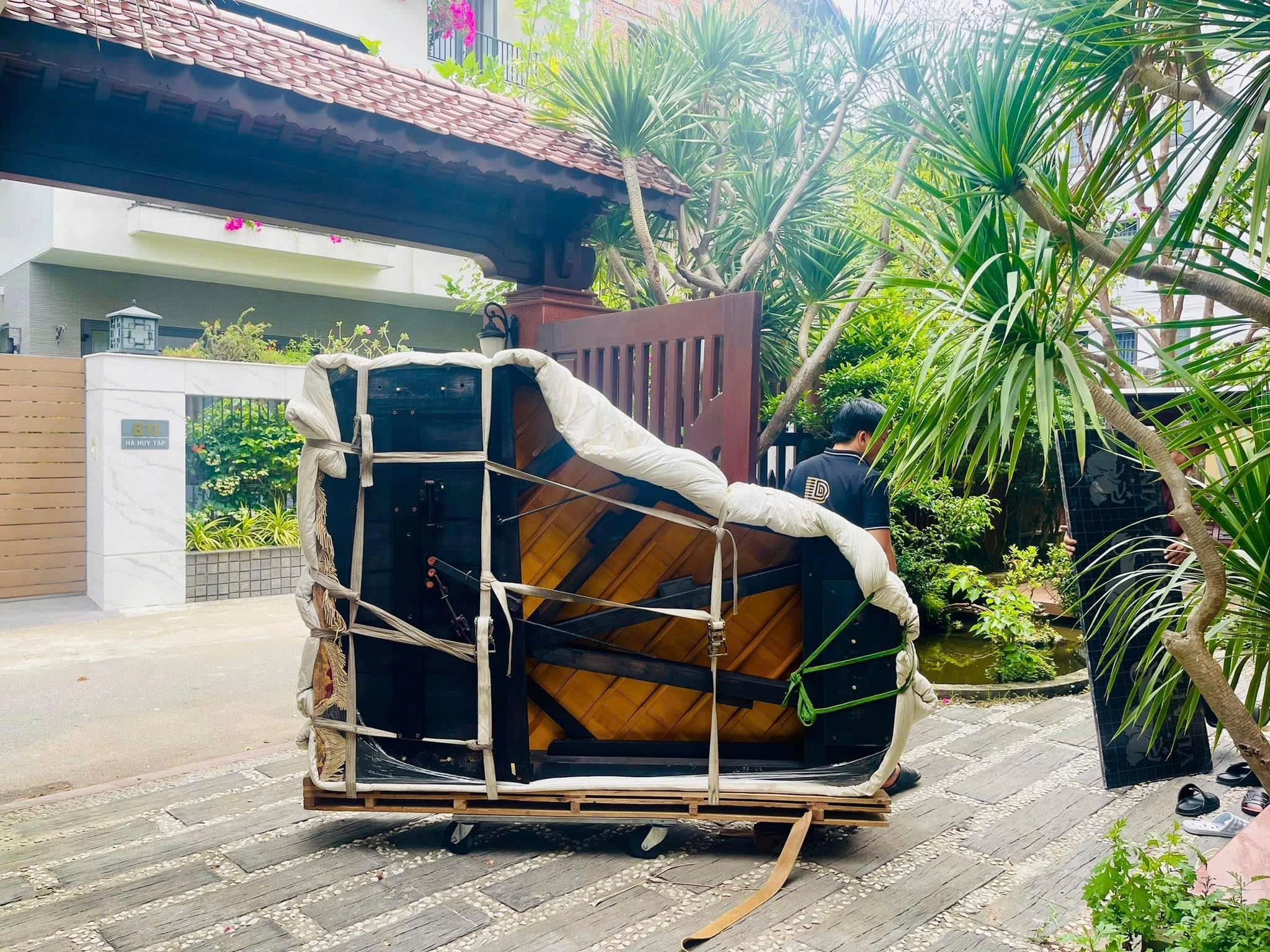
High-rise buildings with undersized passenger elevators or restrictive stairwells require exterior rigging and crane hoisting. Certified rigging teams hoist the piano through exterior windows or terrace doors using specialized crane rigs, heavy-duty straps, and protective crating. This service costs between $1,500 and $4,000 USD, serving as the primary relocation solution for luxury high-rises and historic lofts.
Exterior crane operations require strict municipal permits and building management coordination. Professional moving companies secure Department of Transportation (DOT) street occupancy permits, provide high-limit Certificates of Insurance (COI), and coordinate directly with building superintendents.
Climate-Controlled Instrument Storage Solutions
Climate-controlled storage facilities protect acoustic instruments during residential renovations, leases, or extended travel. Dedicated storage facilities maintain constant temperature levels between 18 and 24 °C (65 to 75 °F) and relative humidity between 40% and 50%.
Monthly storage fees range from $100 to $300 USD based on piano size and facility location. Stable environmental regulation prevents structural swelling, spruce soundboard cracking, glue joint failure, and action felt deterioration.

Factors Influencing Piano Moving Cost in NYC
Piano moving costs in New York City depend on physical accessibility, transit distance, and instrument dimensions. Evaluating these variables allows you to budget accurately for professional relocation services.
Distance and Accessibility Challenges
Local transit within 48 km (30 miles) costs significantly less than inter-borough transit involving toll crossings or long-distance hauls. Staircases represent the largest labor surcharge: movers charge between $50 and $150 USD per flight of stairs for upright pianos, and $100 to $300 USD per flight for grand pianos.
Elevator access substantially lowers total moving expenses by reducing crew labor hours. Walk-up apartment buildings lacking elevator access demand additional personnel, specialized ramps, and manual hoisting equipment.
Instrument Type and Size
Upright pianos weighing 136 to 272 kg (300 to 600 lb) require less labor and equipment than grand pianos. Grand pianos demand professional disassembly of the lyre, legs, and music desk, followed by strapping to a padded piano skid board for transport.
Typical moving costs categorized by instrument type include:
- Upright piano: $300 to $600 USD
- Baby grand piano: $700 to $1,200 USD
- Parlor and semi-concert grand piano: $1,000 to $2,000 USD
- Concert grand piano: $2,000 to $4,000 USD
How to Select Reliable Instrument Movers Near Me
Selecting licensed and insured piano movers protects your financial investment and instrument health. Thorough verification prevents property damage and unexpected operational surcharges.
Checking Experience and Professional Equipment
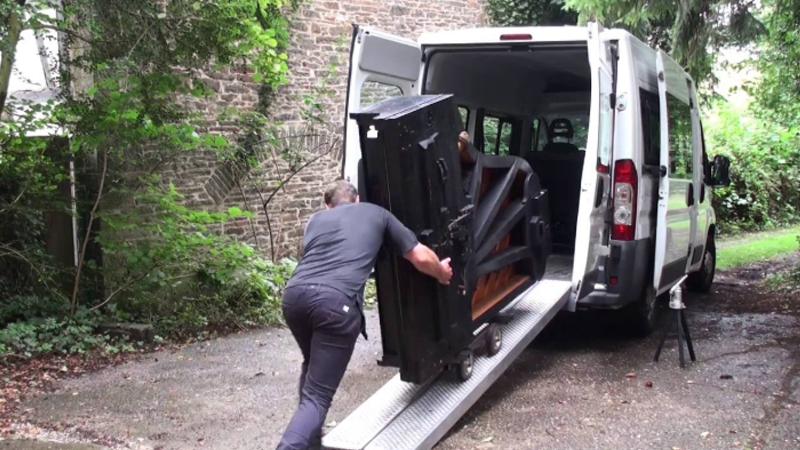
Dedicated piano moving companies possess years of specialized experience handling delicate keyboard instruments. Reliable teams utilize custom equipment, including heavy-duty piano dollies, reinforced neoprene straps, padded skid boards, and custom-tailored moving blankets.
Request direct references and verify company registration with the Better Business Bureau (BBB) and the New York State Department of Transportation (NYSDOT). Established movers provide binding transparent quotes and explain their disassembly and transit procedures in detail.
Verifying Insurance Coverage and Customer Reviews
Professional instrument movers carry commercial general liability, cargo insurance, and workers’ compensation coverage. Always request a formal Certificate of Insurance (COI) that meets or exceeds your apartment building management requirements before booking.
Examine verified customer reviews on independent platforms to evaluate operational reliability. Look for consistent feedback regarding on-time arrival, careful maneuvering through tight spaces, and post-relocation instrument condition.
Preparing Your Instrument Before the Movers Arrive
Systematic pre-move preparation protects your instrument from surface damage and facilitates an efficient move. Completing preparatory tasks before movers arrive minimizes handling risks.
Clear the instrument exterior by removing all sheet music, metronomes, lamps, and decorative accessories. While organizing your family’s moving routine, consider exploring the best piano apps for kids to keep younger learners engaged and clear of active pathways.
Close and latch the keyboard fallboard to prevent keys from shifting and sustaining damage during transport. Detach and wrap the piano bench separately, removing any internal stored music books to reduce weight. Clear a wide, direct hallway path by removing area rugs, floor lamps, and hanging decorations. Measure doorway widths, hallway turns, and elevator clearances to confirm adequate transit space for the piano board. Document the current cosmetic and mechanical condition of the piano with high-resolution photos from multiple angles prior to moving.
Post-Move Care: Tuning and Scheduling Private Music Lessons at PrivatePianoLessons
Physical relocation alters piano string tension as internal cast-iron and wood structures adjust to changes in humidity and temperature. Wait two to four weeks after moving before hiring a qualified piano technician to tune your instrument to standard concert pitch (A4 = 440 Hz), allowing soundboard acclimation. Once tuned, you can resume technical practice on the importance of piano scales with precise acoustic feedback.
To resume your customized private music education, contact PrivatePianoLessons. Headquartered at 817 W End Ave, New York, NY 10025 on the Upper West Side, our faculty of 48 degreed instructors delivers personalized 1-on-1 piano lessons directly to students’ homes across Manhattan, Brooklyn, Queens, The Bronx, and Staten Island with zero travel fees. Lessons operate Monday through Sunday from 07:00 to 21:00. Call +1 (917) 903-2146 or visit privatepianonyc.com to book your in-home sessions.
Frequently Asked Questions About Piano Moving
How much does it cost to move a piano in NYC?
The cost to move a piano in NYC ranges from $300 to $4,000 USD. Local upright piano moves typically cost between $300 and $600 USD, while baby grand and parlor grand pianos range from $700 to $2,000 USD. Total pricing depends on instrument dimensions, flight stairs, travel distance, and hoisting requirements.
Do I need special insurance for piano moving?
Yes, you should verify that your moving company provides commercial cargo and liability insurance. Standard moving coverage pays minimal statutory rates per pound, which is inadequate for valuable acoustic instruments. Request a Certificate of Insurance (COI) naming your building management and consider supplementary full-value protection for high-value upright or grand pianos.

How long should I wait before tuning my piano after moving?
You should wait two to four weeks after moving to tune your piano. This settling window allows the wooden soundboard, bridges, and action mechanism to adapt to the new home’s relative humidity and temperature levels. Tuning the instrument immediately after delivery results in unstable pitch retention as strings continue to shift.
Can movers transport my piano in cold weather?
Yes, professional movers can transport pianos in cold weather using climate-controlled vehicles. Acoustic pianos must be protected with heavy insulated blankets to prevent thermal shock, finish crazing, and soundboard stress. Once delivered, allow the instrument to warm up gradually inside its blankets before opening the case or playing.
What should I do if my piano is damaged during the move?
You should photograph any damage immediately and submit a written claim to the moving company within 24 hours. Note all scratches, cracks, or mechanical issues on the delivery bill of lading before signing it. Retain your original moving contract, condition photos, and written estimates from certified technicians for formal claim processing.
